What was the circumstance though? I’m sure it was some breaking news context?
There was nothing special going on. That’s just what he wore to read the news!
Continuing of changes in Vietnamese regional broadcasters. Following long-time arrangements within Saigonese main broadcasters and old provinces ones - which ended on 30th September 2025 with the creation of Ho Chi Minh City Radio & Television as the final result - two television broadcasters of Binh Duong and Vung Tau will ceased their broadcasting at the midnight of 8th November 2025 (GMT+7); the old frequencies of the two channels would be transitioned into the new frequencies; Binh Duong’s would going into HTV1 - the public information channel; Vung Tau, as some speculation, would be moved into the frequency of currently-drifted HTV3 - the kids and family orientation channel. BTV9, the Buddhism-themed channel, would continue airing until the transmission decision from the management boards of HCMC Radio & Television, as well as VTVcab and Vietnam Buddhist Sangha (the co-owners of BTV9) being decided and implemented
Binh Duong Radio & Television (BTV) was one of the most developed television stations in Southern Vietnam, along with HTV in Saigon-HCMC and later THVL in Vinh Long. During the 2000s and 2010s, the station was best known for advanced technology used in its programming, and for its large number of digital television channels, which private subscription media groups mostly leased. Such channels did not last long in later years, due to changes in both profound and direct causes, which affected the activities of subscription TV operators and owners in general.
Here are the farewell messages from the broadcasters of Binh Duong and Vung Tau, retrieved from their Facebook pages and translated by myself:
Dear audience!
On 1st January, 1997, Binh Duong Radio and Television Station officially broadcast on BTV1 and BTV2 channels, marking the beginning of the development journey of the BTV channel system with a journey of nearly 30 years of attachment, companionship and service to the public. During that time, BTV channels have made constant efforts to become close friends, a bridge of information, culture and emotions to all people inside and outside the province.
In July 2025, in the process of implementing the merger of provincial administrative units between Binh Duong and Ba Ria Vung Tau with Ho Chi Minh City, Binh Duong Radio and Television (BTV), Ba Ria - Vung Tau Radio and Television (BRT) and Radio the Voice of Ho Chi Minh City’s People (VOH) have also merged with Ho Chi Minh City Television to form the new Ho Chi Minh City Radio and Television - HTV. Since then, BTV1 and BTV2 channels have been gradually reviewed in terms of program structure and production apparatus to be consistent with the general orientation and criteria of the HTV channel system.
And today we would like to respectfully announce: from the day of 8th November, 2025, BTV1 and BTV2 channels will officially stop broadcasting.
This will be a new step in restructuring and reorganizing HTV’s channel system. Some familiar programs of BTV1 and BTV2 will continue to appear on the HTV channel system and the platforms of Ho Chi Minh City Radio and Television, reaching the audience in a new look; carrying the spirit of dynamic, innovative and humane HTV - in a vibrant Ho Chi Minh City firmly entering a new era of development.
On behalf of the people who make BTV1 and BTV2 channels, we would like to send our deep gratitude to all the viewers, collaborators, partners and generations of staff, reporters, editors, technicians - those who have written the journey of nearly 30 years of pride!
Thank you for always accompanying, loving and trusting us.
Goodbye - and we’ll see you again in new programs on the HTV television channel system - with your heartly love!
FAREWELL FROM BRT TV CHANNEL – HTV BA RIA CENTER
Dear viewers!
On 5th September, 1991, the first TV program of Ba Ria - Vung Tau Radio and Television Station was officially broadcast on the frequency of 11-VHF, marking the beginning of a journey of more than 34 years of attachment, companionship and service to the public.
Throughout that journey, BRT channel has made constant efforts to become a close friend, a bridge of information, culture and emotions to all people inside and outside the province.
In July 2025, during the process of merging provincial administrative units between Binh Duong and Ba Ria-Vung Tau with Ho Chi Minh City, Binh Duong Radio and Television (BTV), Ba Ria-Vung Tau Radio and Television (BRT) and Radio the Voice of Ho Chi Minh City’s People (VOH) merged with Ho Chi Minh City Television to form the Ho Chi Minh City Radio and Television (HTV).
Since then, the BRT channel has been gradually reviewed in terms of program structure and production apparatus to be consistent with the general orientation and criteria of the HTV channel system.
Today, we would like to respectfully announce: from 8th November, 2025, BRT TV Channel will officially ceased broadcasting. This will be a new turning point in the restructuring and reorganization of HTV’s channel system.
Some familiar programs of BRT will continue to appear on the HTV television channels and digital platforms of Ho Chi Minh City Radio and Television, coming to the audience in a new look; bringing the dynamic, innovative and humane HTV spirit to a vibrant Ho Chi Minh City to reaching out further.
On behalf of the BRT channel creators, we would like to express our deep gratitude to all audiences, collaborators, partners and generations of staff, reporters, editors, technicians - those who have written the proud 34-year journey.
Thank you for always accompanying, loving and trusting us.
Goodbye - and we’ll see you again with the feelings you have given us in new programs on the Ho Chi Minh City Radio and Television’s TV network.
2 Likes
[UPDATE]
The channels BTV1, BTV2, and BRT have been taken off the air at midnight (04:00 a.m. AEDT) on 8th November 2025. As mentioned earlier, the frequency of BTV1 has been transferred into the feed of HTV1, while the BRT channel, instead of HTV3, being transitioned to HTV The Thao/HTV Sports - the sports channel. BTV2, meanwhile, being simulcast with BTV1 since July, going off air indefinitely.
The last moment of those channels can be seen here:
- BTV1 (through the feed from master control):
-
BRT:
2 Likes
Some big rebrands in Belgium…
The Flemish 4th channel is no more after various disguises over 30 years since October.
Telenet rebranded Play4 (Vier, VT4) to just… Play, now synonymous with its streamer (previously GoPlay). Its sister channels are now named after genre, rather than numbers, all in one single pink and rounded block san serif that’s just ever so different to BBC’s UKTV. No changes to their premium channels.
The sister channels have their own icons in place of the A in bumpers and promos. This is Crime:
And the others:
Work done by Saffron, the same minds behind VRT’s revamp.
Meanwhile, RTBF, the Francophone public broadcaster, has a new look before Christmas.
Gone were the shapes that represented individual channels (square for La Une, triangle for La Trois); now the pill shape in the logomark seems to be the main device. This is the cross-channel promo:

The sponsor board/countdown before the news on La Une:
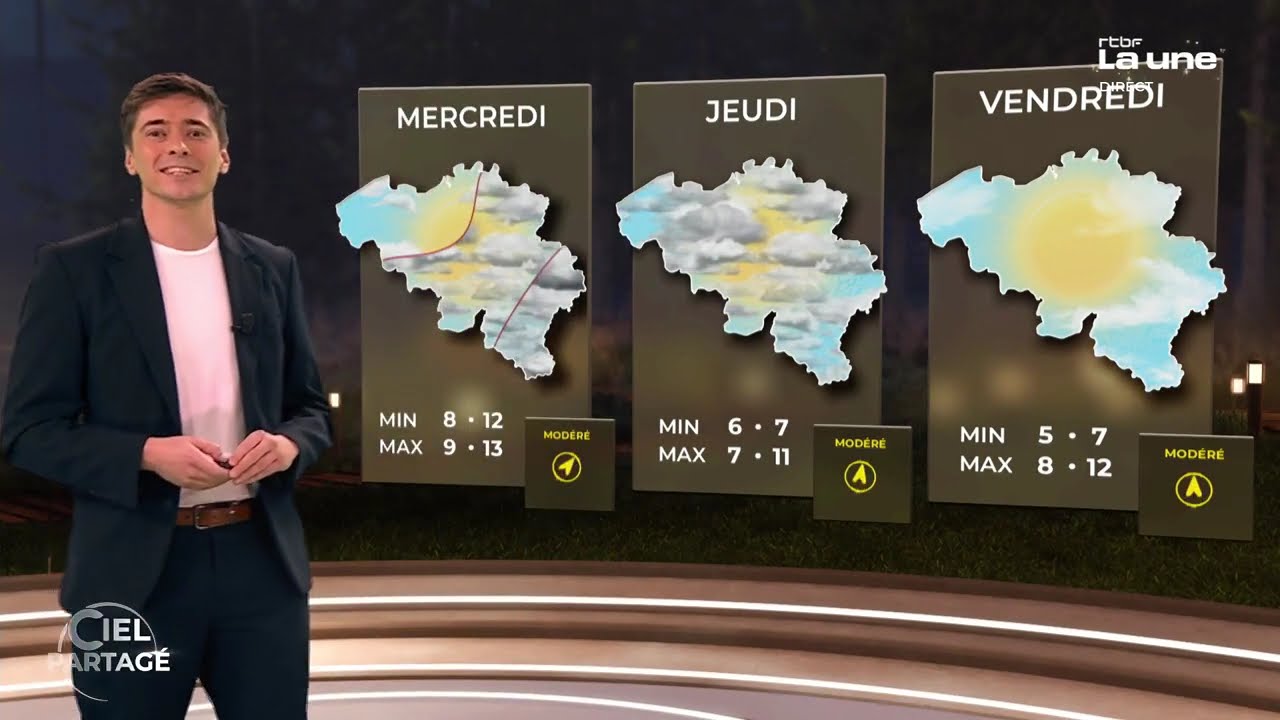
And the programme junction on La Trois:
The RTBF name is also added as a prefix, including their teen-facing TV/radio hybrid, Tipik.
(All non-Youtube links are from Lenodal)
I think the shapes could’ve stayed and be more lively, but they kept the Microgramma wordmarks, which I think are actually the stuffy part of their identity. The RTBF branding feels tacked on too, especially when you look at their radio stations.
Is the open captions on ads a common thing in the region?
I find it weird that so many Australian ads don’t even have standard subtitles, let alone just putting them directly in the ad. Seems a good idea unless the ad is too text heavy - but then something like the Aldi ad gets the point across without text.
1 Like
Yes, and not just on ads. Generally open captions are used whenever ‘ordinary’ people talk, as they tend to talk in ‘tussentaal’ (‘in-between language’) or regional dialects, as opposed to the standard Flemish spoken by, say, newsreaders and reporters. Also everything that isn’t in Dutch/Flemish is subtitled, rather than dubbed, so they’re very used to captions over there.
3 Likes
The two RMC channels have rebranded with the redesigned group wordmark.
RMC Story’s ring motif reminds me of BBC Earth:
RMC Découverte goes all cinematic with the strechy D:

Identities done by Paris-based Barjabulle.
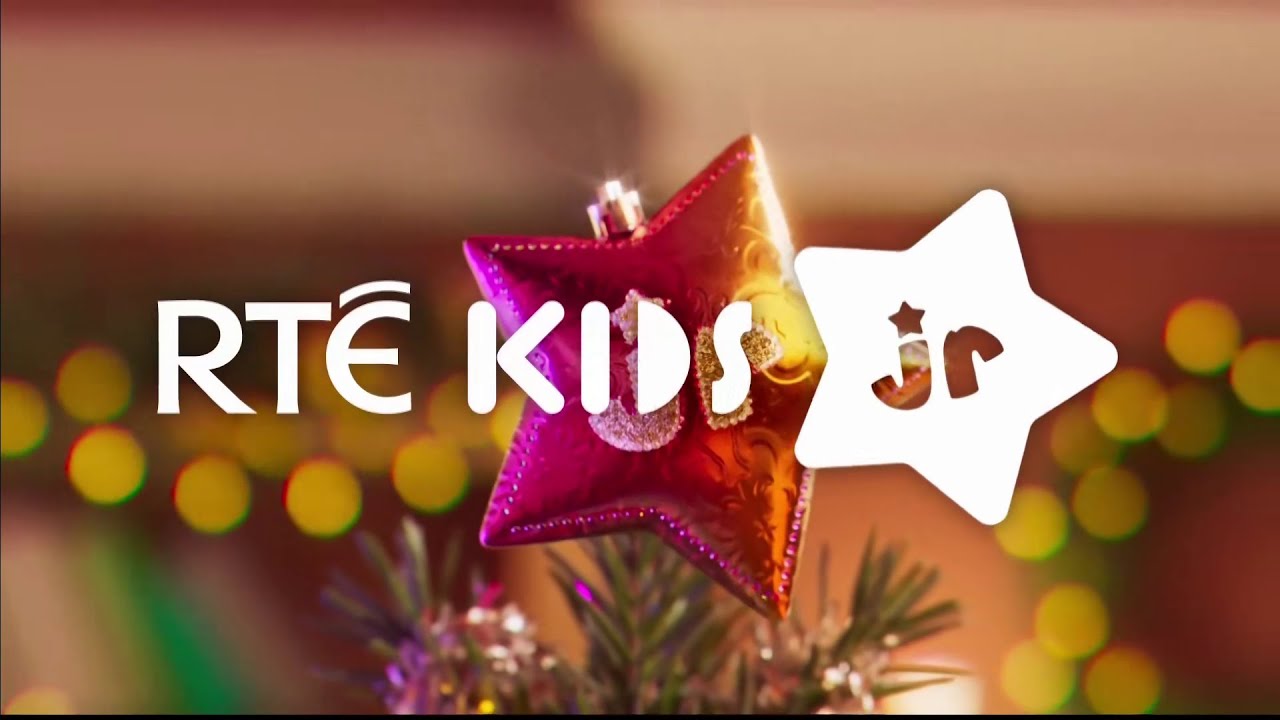
RTÉ’s younger kids channel has adopted the new brand, now as RTÉ Kids Jr.
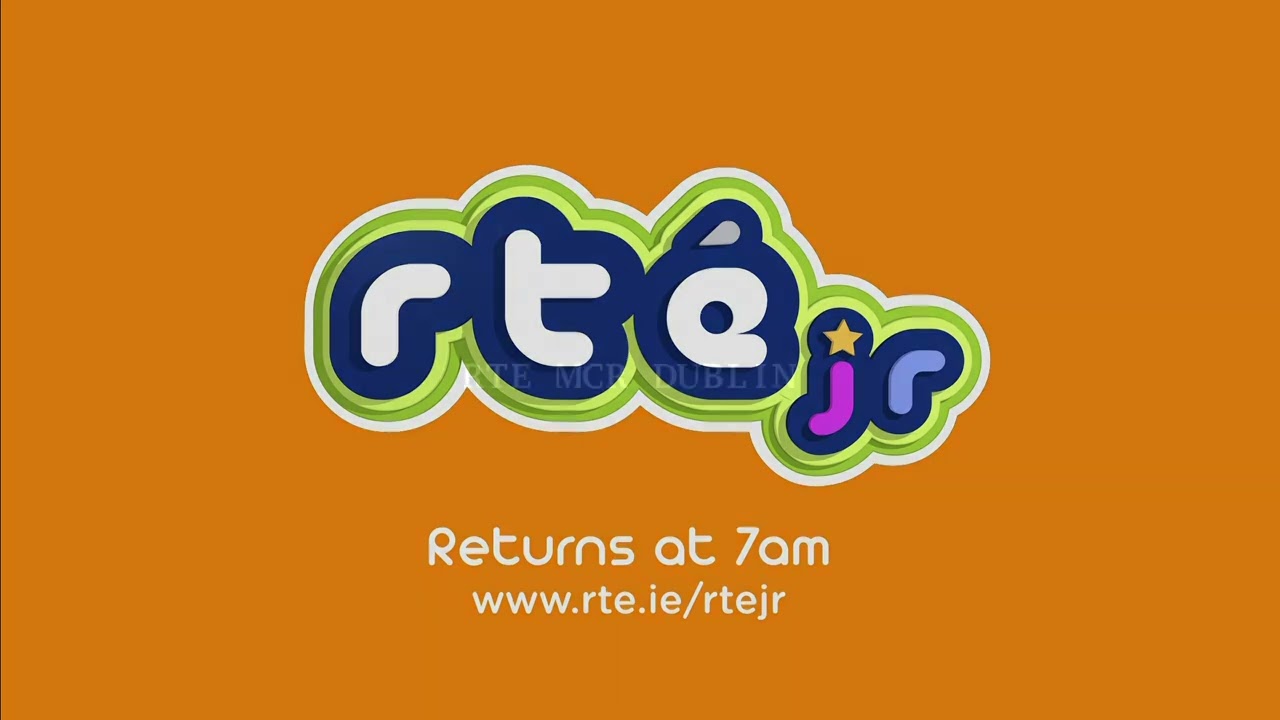
They have their own Christmas look too:
And Arte continued their knitting explorations with 17Mars this season.
(From Lenodal)
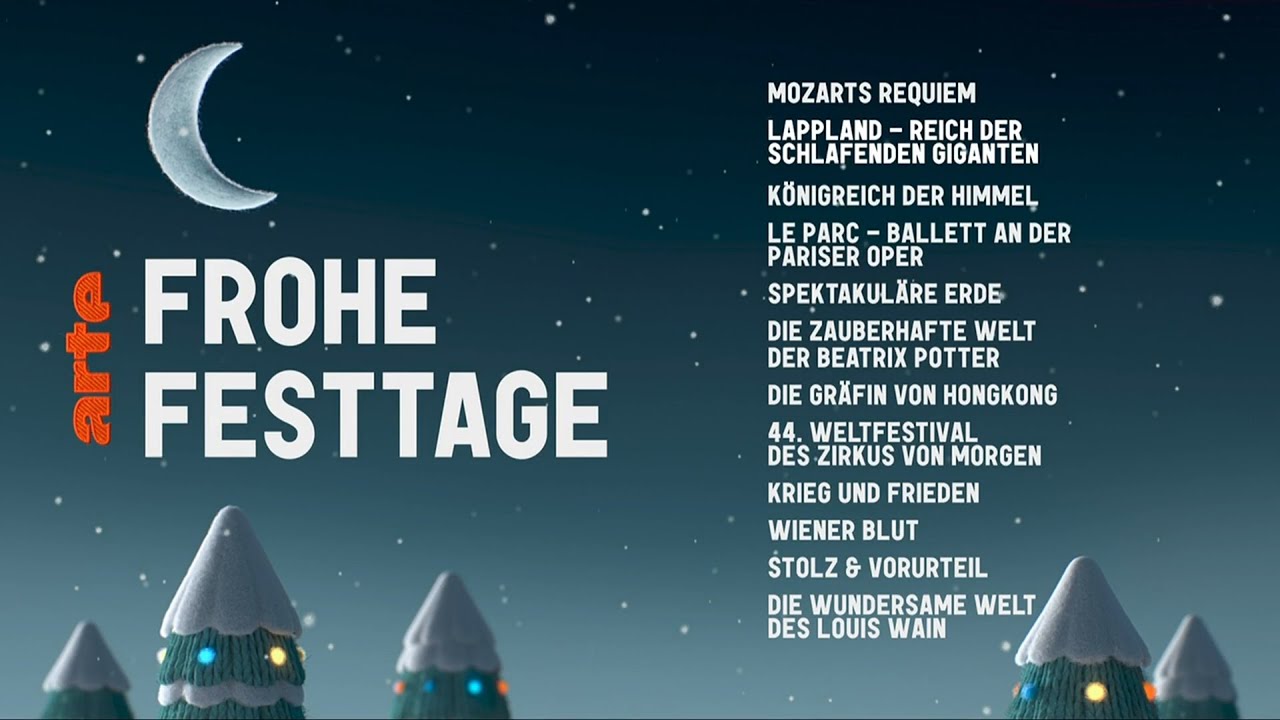
A warm Merry Christmas to all of you!
I wish they don’t. It’s unnecessary and confusing.
Disney could live with just Jr. Nick could. Why can’t they?
Also there’s a digital radio station named after RTÉjr. It’s keeping its name because it would be a mouthful. Hope that never follows TV’s move.
Unfortunately the idea only extends to the stretchy motion for some letters. The long D itself was never used for anything.
It won’t, but probably because it and 3 other RTÉ digital radio stations are closing in less than a weeks time.
RTÉ will close four digital radio services - RTÉ Radio 1 Extra, RTÉ 2XM, RTÉ Pulse and RTÉjr Radio on 31st December 2025.
Busy start to 2026 in regards of TV presentation… in fact, three TV channels in Spain and another in Bulgaria have changed their looks in celebration of the new year.
First, to Aragón’s regional broadcaster Aragón TV, which at the stroke of midnight, they (and the Corporación Aragonesa de Radio y Televisión) unveiled a whole new look which is more evolution than revolution. The « A » design, which resembled a satellite dish and also had the colours of the Aragón flag (blood red and gold), and had barely changed since 2005 (other than a few tweaks) has evolved: the curve has been moved into the opposite direction, the counter of the A has been changed to resemble a play symbol, and along the colours of the Aragón flag, there is the addition of orange, which has been used consistently in Aragón TV presentation since 2009. Additionally, the A is slightly detached from the square device.


The new logo is part of plans by CARTV to launch a new OTT platform designed to provide the network’s original content and open it to a wider, global audience, set for later in the year; it also comes as the network celebrates its 20th anniversary. The corporate font is now Montserrat.

Here’s the moment the network unveiled the changes:
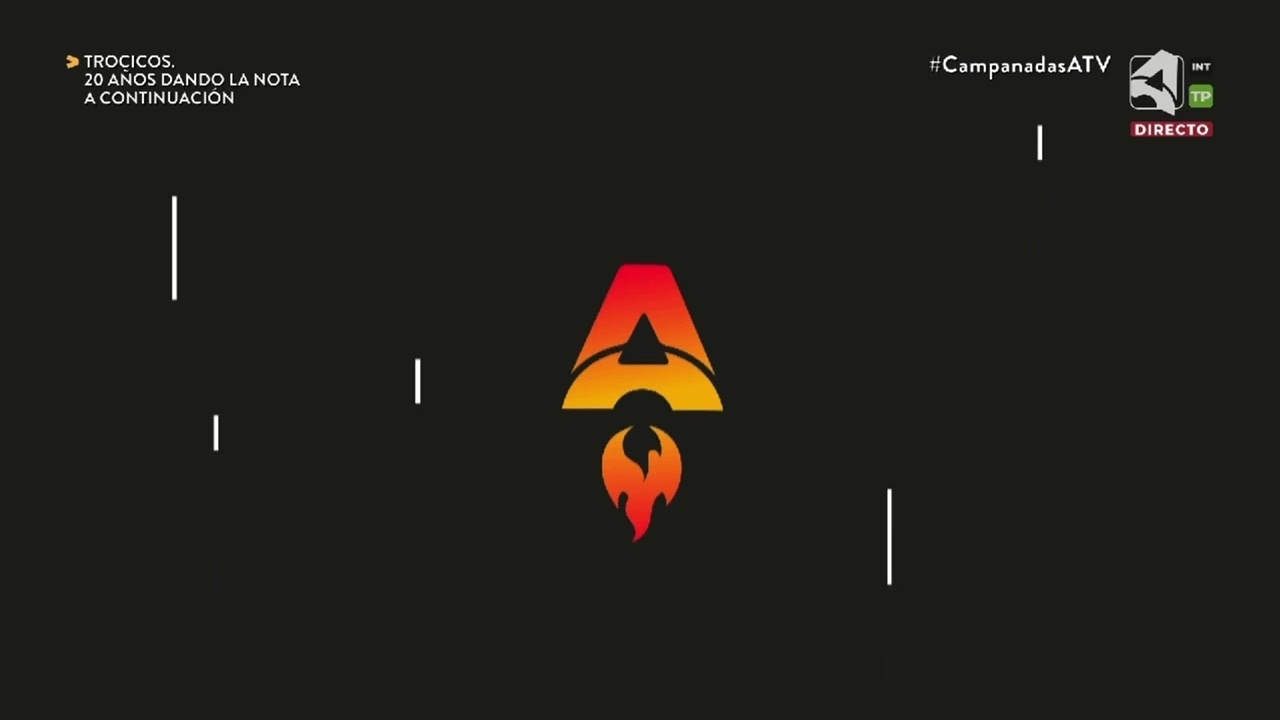
The other of the Spanish channels celebrating 20 years, Canal Extremadura, is also changing its brand this year. It has just not made the change yet, but it has started a pre-launch campaign to prepare for its rollout. There is no date yet for the change.

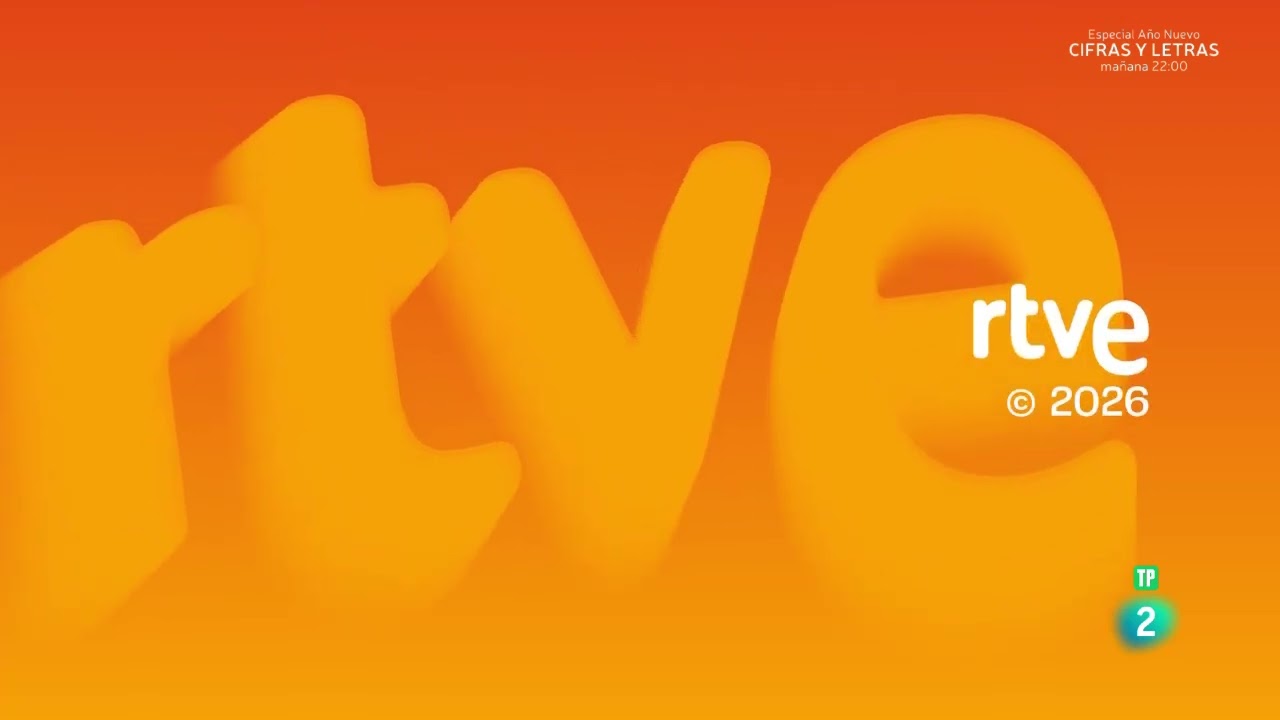
RTVE is also preparing for a major rebrand soon. Though likely that the existing logo will stay, the copyright slide has been already seen at the end of the all-night marathon of La 2’s music compilation show Cachitos de hierro y cromo. Today, various idents have started to play instead of the usual idents, showing a prismatic curve, which can be seen as a pre-launch campaign in preparation for a rebrand. RTVE has reportedly set the rebrand for January 7, according to statements from their executives.
Ending with Spain, with the global closure of Paramount Network, the holder of the mux where Paramount aired as an FTA service, Net TV, has decided to take the service in-house. The owner of Net, independent production and distribution company Squirrel Media, had already launched a cinema and series channel when Disney Channel closed, simply named Squirrel; now, with the closure of Paramount, Squirrel has launched Squirrel Dos, designed to compliment the first channel by offering a more action-based approach to films, whilst the main channel will focus on family-friendly and general interest films.
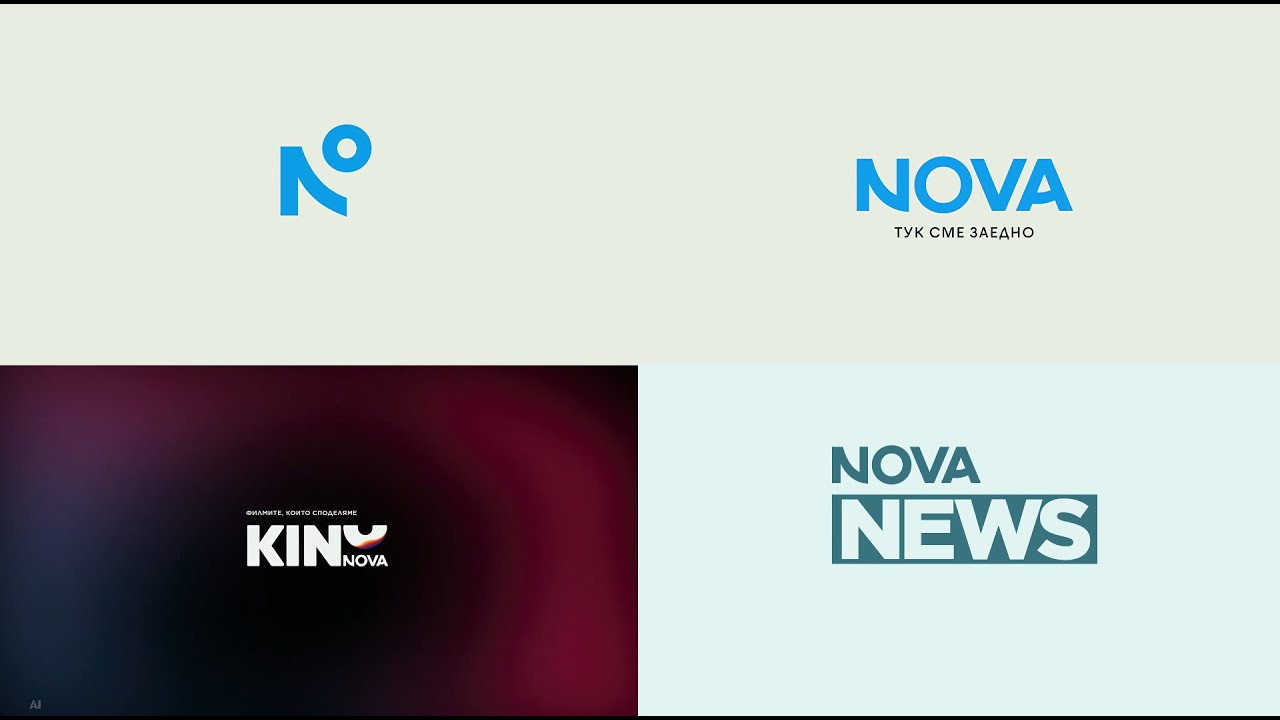
Now moving to Bulgaria: Nova, the country’s second largest commercial channel, owned by United Media, has unveiled its first major rebranding in 15 years. The rebranding comes with a whole new logo, which features a compact symbol, and new logo for its sister film service Kino Nova and digital news channel Nova News. The network has also a new slogan: Тук сме заедно (We are here together).

Here’s an article from the network on the changes (in Bulgarian).
2 Likes
Nickelodeon in Greece is also succeeded by an in-house service, Keedoo, whose identity looks much cheaper with the lineup to match - apparently airing the same 8 series in the same sequence the whole day, and without the popular Nick series:
The global closures also affected the European channels in collbaoration with AMC Networks, with CBS Reality closing in Romania, Poland and MENA. Film Cafe, the Polish film channel formerly as CBS Europa, was also closed.

FWIW, here’s what they look like. The new identity is designed by DixonBaxi.
Echoing the 4K broadcasting discussion over on the Intl news thread: What’s more useless than airing the news in 4K? Having nothing self-made to air.
TDM, Macau’s sole TV broadcaster, trials a new 4K channel from New Year’s Eve. The introduction is sooner than Hong Kong, but honestly pointless since their in-house programming is minimal.
Meanwhile, Hong Kong bids farewell to a break filler staple after near 30 years: TV Easy (宣傳易), the classifed TV ads strand in non-primetime hours, is not found in the usual spots on TVB Jade’s listings starting today. Its repetitive outings made several campaigns a core part of local TV memory over the years.
Update TVB has taken the production of the strand in-house, with current TV Easy clients transferring to the new service.
1 Like
I remember TV Easy. Some of the commercials featured in the segment were produced with low budgets, but became instant classics.
1 Like
It was indeed: today RTVE launched a new look for its channels. The new idents and OSP are all reflective of a “multiverse”, with all channels sharing a common brand system; all channels retain their own unique colours and brands, though the channel logos and DOGs are now freed from their gradient counters. It is a much needed refresh for the network: the prior branding, developed by Madrid-based post production company El Exilio, had been on air for then years.
The new look was developed by Cómodo Screen.
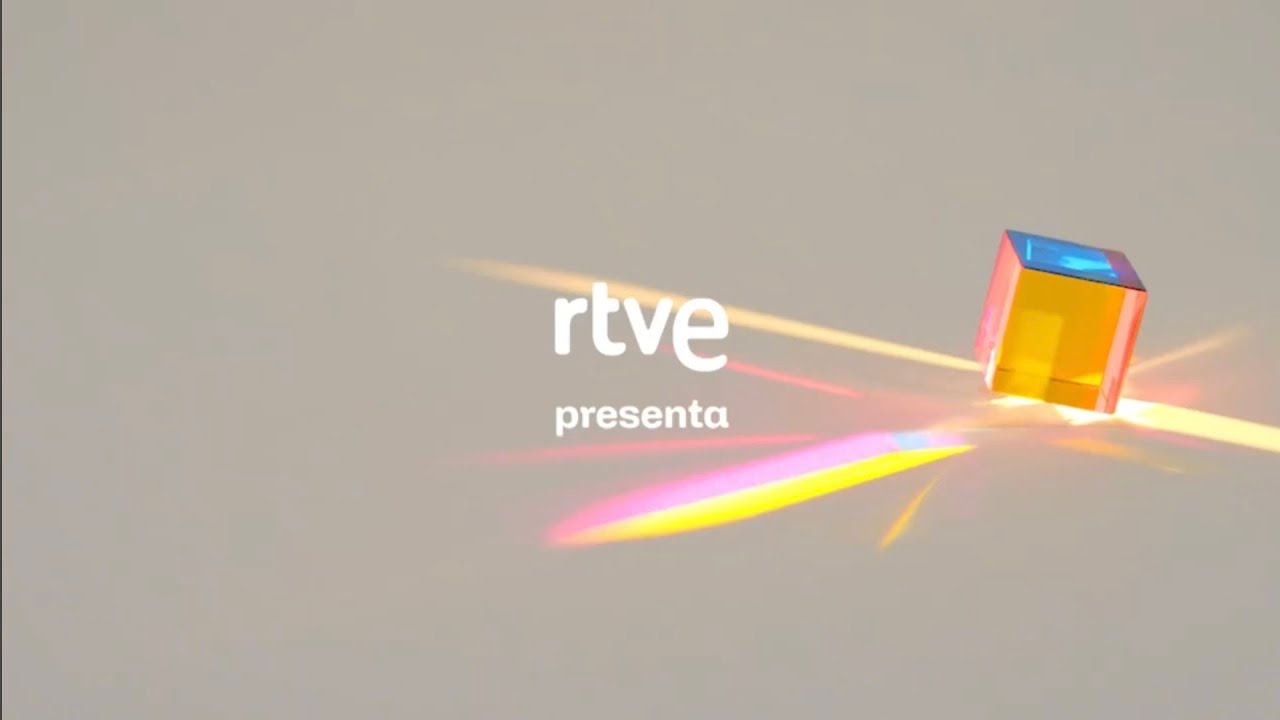
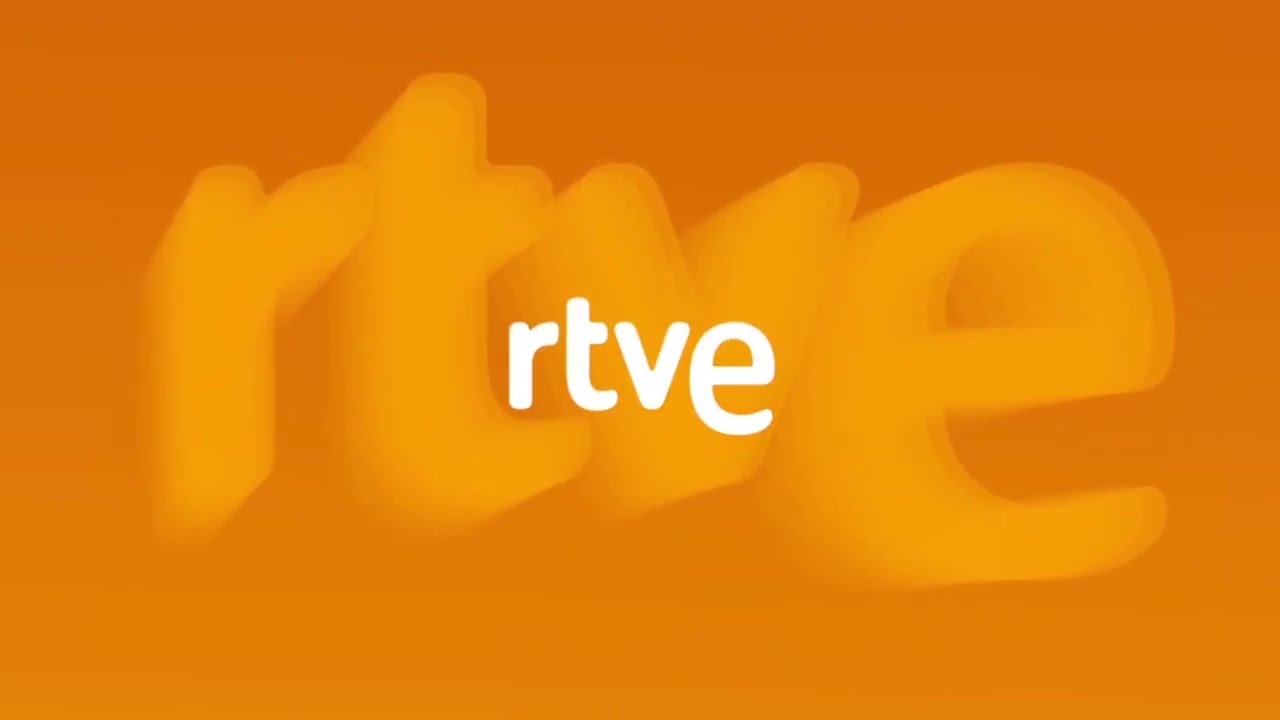
Furthermore, RTVE has launched a new campaign, “La que tú quieres”, an evolution of the existing “La que quieres” campaign to reflect the growing popularity of the network and TVE’s anniversary celebrations:
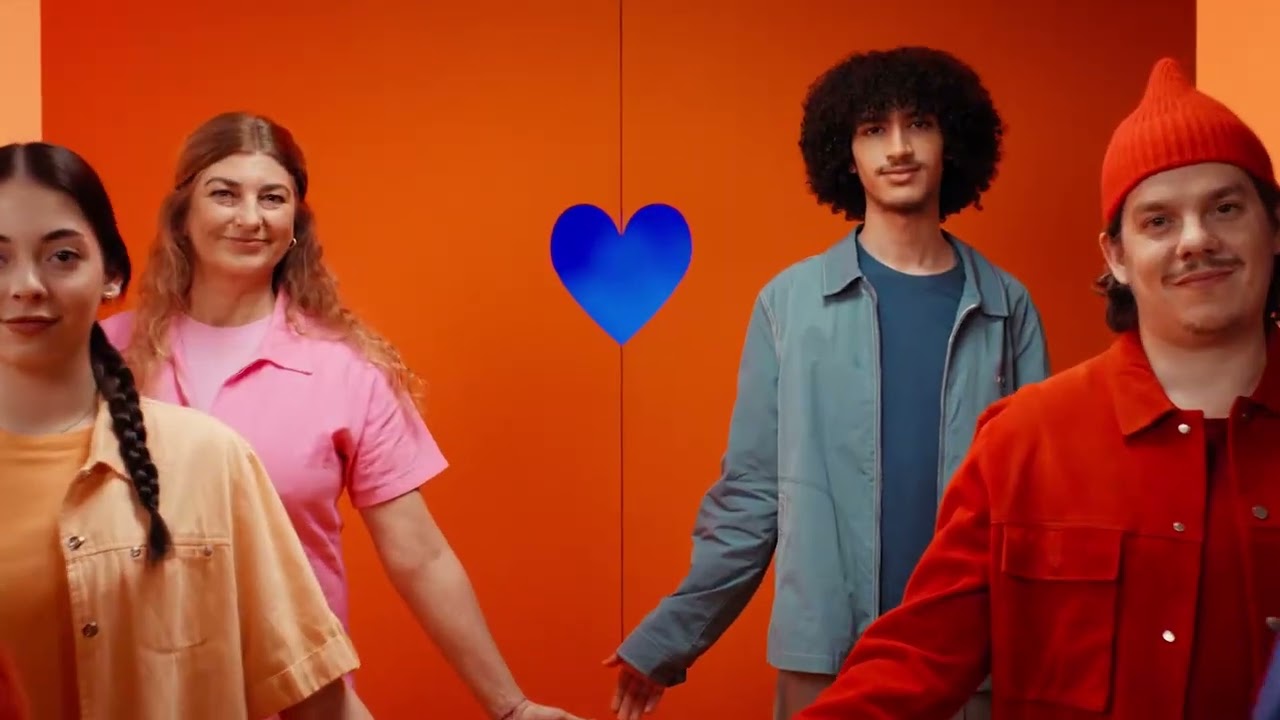
Another European public broadcaster jumps on the custom-typeface bandwagon, which, I feel, was badly needed in RTVE’s case. It had lost the plot, graphics-wise, compared to many other (especially Northern) European pubcasters. So this is a much-needed and welcome change — similar to countryman Antena 3’s rebrand last year, which also introduced a new custom font.
Just last week, as part of its own rebrand, Nova in Bulgaria also introduced its own quirky custom font, with funky letter shapes. Between the rebrands of RTVE and Nova (BG), 2026 has gotten off to a great start in terms of TV rebrands!
I think the European pubcaster that’s most desperately in need of a big rebrand is RTBF, Belgium’s French-language pubcaster. When others are all introducing custom fonts (or at least paid commercial ones, like VRT, the Belgian Dutch counterpart of RTBF), it’s simply abysmal for RTBF to use Montserrat. Then again, RTBF was never a bastion of good typography — unlike France Télévisions and Switzerland’s RTS, the latter of which introduced its custom type family in its 2023 rebrand.
Here’s some more videos on the Nova (BG) rebrand that cover the large-scale rebrand that it had — barely six months after its biggest competitor, bTV, introduced a much-needed and long-overdue rebrand on its 25th anniversary in July 2025. And here’s the English version of the rebranding press release, from Nova’s English website. This YouTube channel has a lot of videos and idents covering both the Nova and bTV rebrands.

3 Likes
Staying with RTVE, the broadcaster is partnering with Arte to launch Arte España by late June as a standalone channel.
Positioned to be the Hispanic leg of the cultural broadcaster, the channel would focus on performing arts, theater (with the revival of their play anthology series, Estudio 1) and cinema, classical music and opera, as well as documentaries and introducing new musical talents (by collaborating with their Radio 3 Extra).
Previously, they appointed Ana Peláez, EP of RTVE’s documentaries departement, as the Director of Arts and Knowledge to oversee the channel’s launch.
And the annual look around Lunar New Year pres in Hong Kong continues with the Year of the Horse 
HoyTV/IBC continues to update their programme bumpers under the occasion, but finally in a new(er) style with everything centre-aligned and graphics in 3D:

TVB Jade/Pearl adopted their festive package the same day as Hoy with an original CG animation sequence. It’s good to see the colour palette having more than just red or gold, though the 10-second variant looks a bit incoherent.
This has the continuity junctions and 15s idents on both channels:

ViuTV/6 launched a day later, bidding goodbye to the mascots since 2023 and returning to the aesthetics that looks more intricate (and maybe classier?) from the rest of the pack.
It’s funny to see they had similar concepts with TVB on the horse running, while being the only one remembering other animal symbols for the new year exist (the koi).

RTHK TV 31 changed theirs on New Year’s Eve - somehow feels genAI-ish?
3 Likes
Report: Banijay-All3Media deal imminent
All3Media and Banijay could tie up their multibillion pound merger as soon as this week, according to a report.
The Banijay-All3Media merger deal has been confirmed.