Overseas TV History

And two years later, HTV News, which initially survived the loss of HTV’s regional identity, became ITV Wales News (or ITV West News in the Bristol part of the licensee’s coverage area). Here are some excerpts of the final edition of HTV News and the first edition of ITV Wales News:

3 Likes

Yorkshire Television bids fare thee well not long after mid-night on 28/10/02 but unlike the other three Granada Media Group stations (Granada, Border and Tyne Tees) which were a pre-record by him, Yorkshire Television’s last ever regional continuity was done live by Bob Preedy.

4 Likes

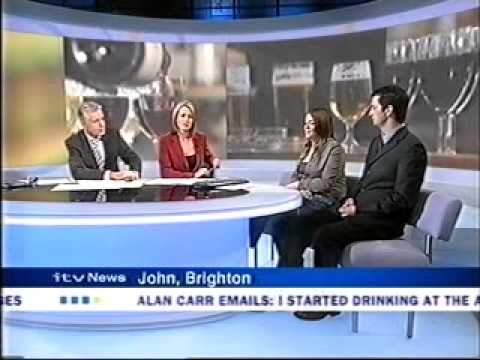
The same day HTV became ITV Wales News, and coinciding with the formal completion of the merger of Granada and Carlton Communications (which already controlled all but four of the ITV franchises), all of ITV News got their first unified corporate look, including the adoption of the corporate image by regional news programmes, giving a common style across local and national broadcasts. This move was related to a reorganisation of the ITV News national newsroom and regional offices into an ITV News Group, which also includes ITV’s stake in ITN, allowing them to share resources in regards of news content. As a result, an “ITV Newshour” was introduced at 6pm, bringing the regional and national evening news programmes into a “consistent feel”, a coherent flow (which included regional headlines inside the national headlines, and viceversa) and a seamless switch from regional to national news content.

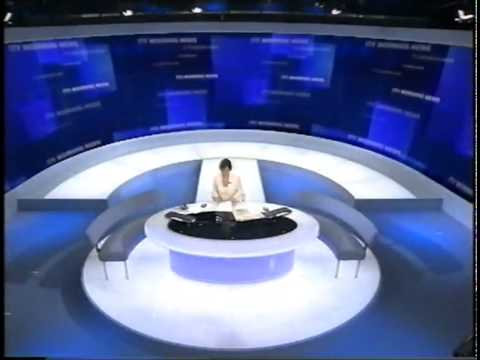
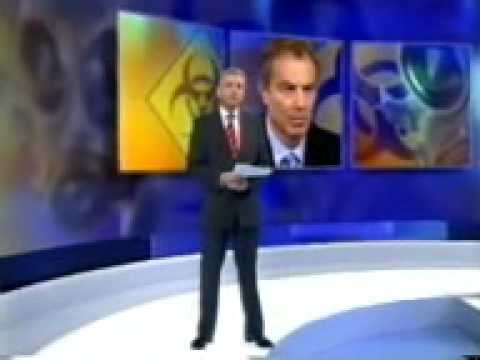
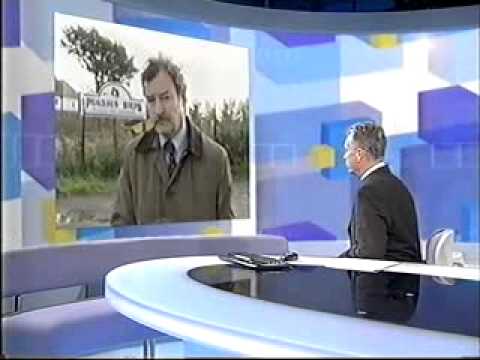
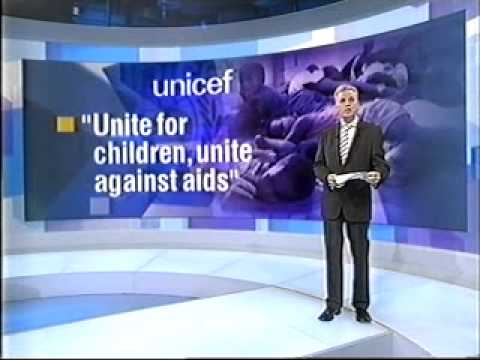
The visual relaunch, which included new graphics from Bruce Dunlop and Associates (which did most of ITV branding since 2002) and a new update of “The Awakening” by prolific composer Dave Hewson (which even included cues for regional news), featured a massive £1 million virtual studio (often nicknamed the “Theatre of News”, allowing presentation either from behind a desk or by presenters walking around, using the big rounded news wall (actually a rounded chroma key) to explain a story with the aid of graphics. The editor of ITV News, David Mannion, saw the new set, designed by Simon Jago, as a “world-first” in a conversation to The Guardian.

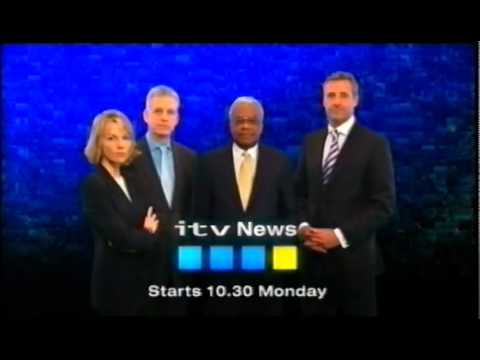
Another change was the replacement of the second incarnation of the ITV News at Ten, which struggled with low ratings and constant haphazard timing (although these had been stabilised by then), not helped by increased competition by the BBC. A change was made in connection to it, with a move to 10:30, now with a fixed timing from Monday to Friday, a faster pace and an attempt to bring an “upmarket” audience by having “a strong emphasis on business and financial reports”. The new show (and the new look) was heavily promoted in the days before the launch.

Trevor McDonald anchored the broadcast from Monday to Thursday until his retirement from daily news programming on December 2005; Mark Austin, who deputised and presented on Fridays, became main anchor shortly thereafter. With low ratings from the very outset (just under 2-2.5 million viewers compared to the BBC’s high ratings), plans were made to move further the programme to 11pm in 2005 (coinciding with the culling of non-news regional content and some PSB regulations in favour of allowing more revenue-generating programming); however, these were later reversed in favour of the return of News at Ten at the start of 2008.

The News Channel was also boosted with the launch of the new look and studio, receiving a boost in funds to build up its schedule, dropping constant regional bulletins with more live items, interviews and breaking news, plus fixed news hours and strands featuring various ITN stalwarts, reporters and presenters from the regional news programmes at fixed time slots. Scott Chisholm was hired in 2005 to anchor their morning block, a short-lived appointment as ITV decided to close the channel at short notice shortly before the holiday season, seeing the network “not commercially viable”, and using its bandwidth to launch the CITV Channel as a timeshare with ITV4 (which had taken half of the News Channel’s hours in Freeview when it launched in November that same year).

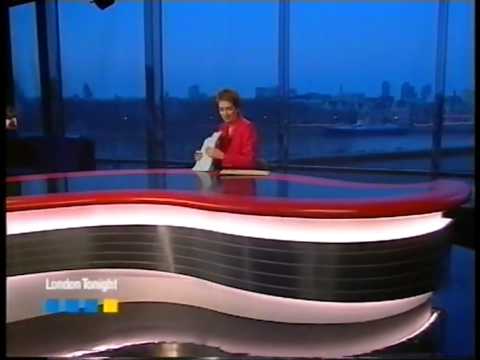
Shortly after the launch, London Tonight (the regional news programme from London) transferred to ITN oversight, as the London News Network joint venture between Carlton and LWT had become void with the merger (with ITV London becoming de facto a seven day operation). A month-long transition was made, with the show still airing inside the South Bank street-level studio for 27 days before moving to a new studio in the ITN HQ on March 1, which overlooked the atrium of 200 Grays Inn Road. At the same time, stalwart anchor Anna-Maria Ashe, longtime co-anchor with Alastair Stewart, retired, with her space at ITN being eventually filled by Katie Derham.

The design of the new “identikit” regional sets was also first seen there, with the rest of the regions gradually adopting it during the rest of 2004 and 2005; some regions had to wait, the case, for example, of the Tyne Tees and Anglia regions, as the merger had caused an over-capacity of studio and production centres, as a result, ITV closed large regional headquarters, studio sites and programme departments, and built new, or refurbished existing facilities to house smaller production teams and less studio spaces, principally for news production.

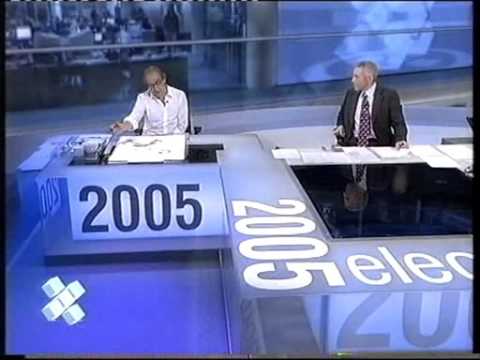
The new “Theatre of News” set was also adapted for the 2005 General Election coverage, with a special custom desk (which even included a space for Gerald Scarfe to draw real-time cartoons) and a VR version of the atrium of the ITN 200 Grays Inn Road HQ, which was later adapted for a 2006 relaunch of the brand (coinciding with the 2006 ITV “Brand 2010” rebrand by Red Bee Media).

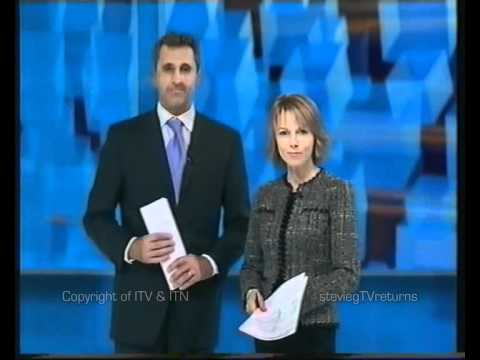
Also in 2005, two developments: with ITV celebrating 50 years of its start in London, old newscasters were brought back to co-anchor the Evening News for selected nights:

The other was the expansion of the Lunchtime News into an hour, as part of the failed “ITV Day” experiment to make daytime programming separate from the rest of ITV1; the experiment featured the news in the first part, and the second part featured more human-interest fare, extended interviews and a talkback radio-style call-in segment called “The Pulse”, which included in-studio interventions from experts and viewers. Even the backdrop was different:

5 Likes

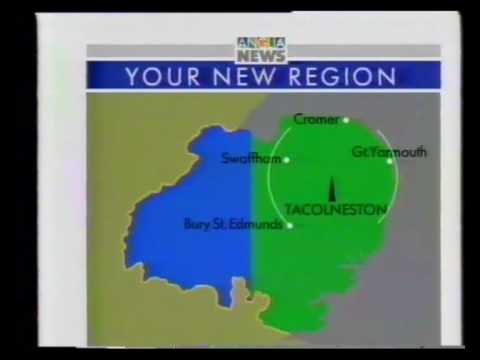
In 1990, Anglia Television (ITV for Eastern England) splitted its news programming in two halves to better serve its region. Here are highlights of the first early evening bulletin from both sides (east and west).

2 Likes

As a Dr Who fan – seeing “Cromer” on that map reminds me of the Brigadier’s famous line from “The Three Doctors”.

1 Like

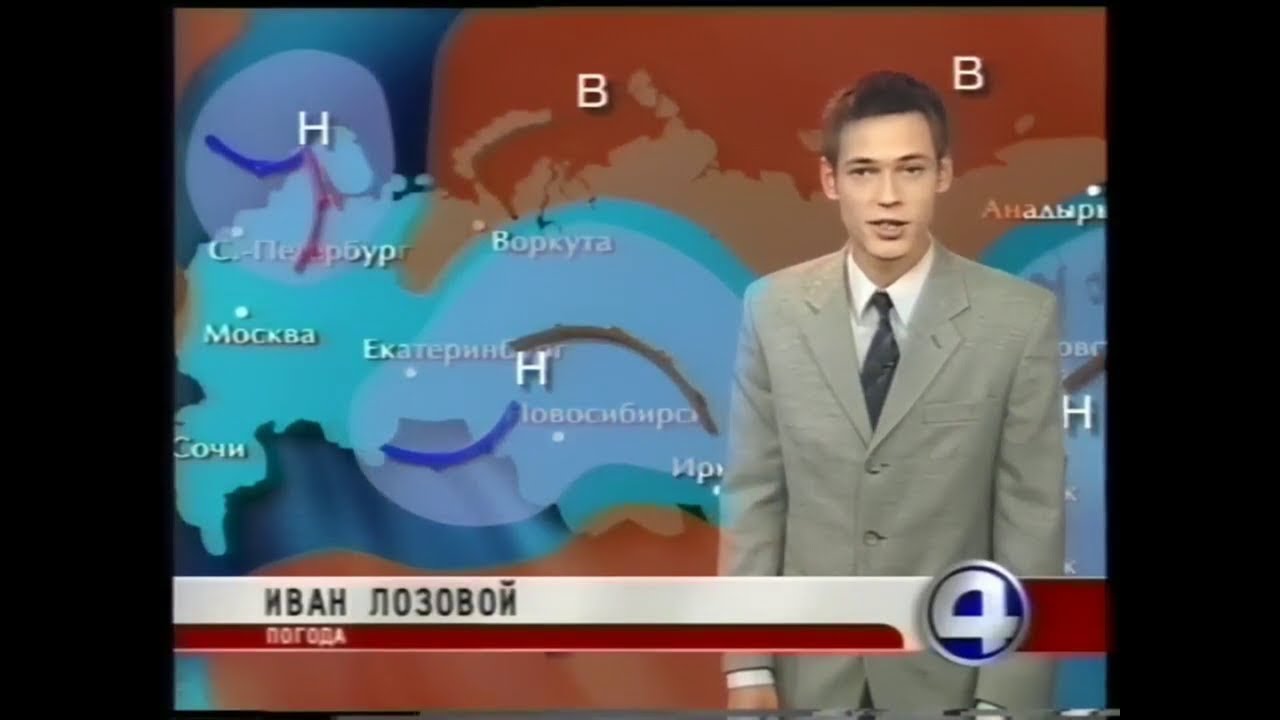
Here’s the same music package, Gari’s Image News, being used by Channel 4 in Yekaterinburg, Russia, in 2001:

2 Likes

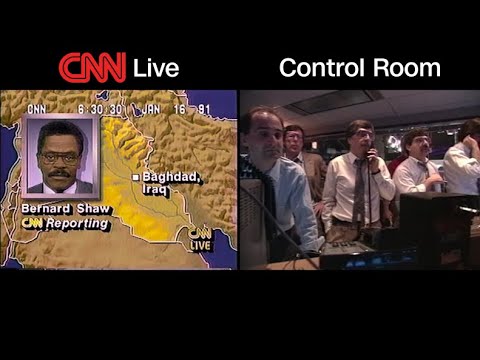
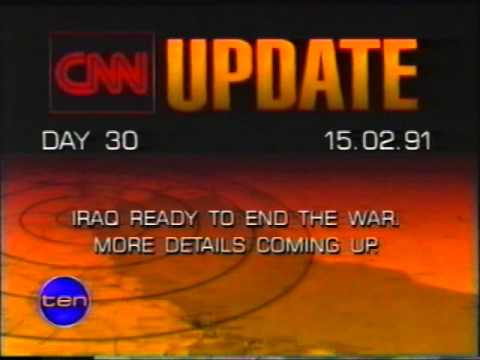
And here’s CNN’s coverage of the outbreak of 1991 Gulf War combined with real-time video from behind the scenes:

2 Likes

Image News! One of the greatest packages ever composed by Gari! :heart:
This clip from WRDW Augusta in 1998 features two rare cuts (one in the opener and other in the talent bumper) that include trumpets:

2 Likes

That famous coverage turned CNN into “the world’s news leader”. Several channels from all around the Earth picked up its coverage during the Gulf War: one of those was Australia’s Network Ten, that carried CNN during the overnight hours.

2 Likes

20 years ago this week (on 31 March 2004 at 8pm Lisbon time), Portugal’s public broadcaster RTP underwent the biggest corporate rebrand of its history.

It unified the identity of most of its TV channels with a similar logo (made of rectangles with rounded corners) and the company’s headquarters moved to a huge building in Cabo Ruivo, Lisbon (where it remains to this day).

RTP’s TV and radio services were now operating from the same facility. In visual terms, the branding (devised by the Brandia agency) looked elegant and cold. Here’s a portfolio with dozens of pictures of the new building, logo and examples of the designs:

When it comes to news, most bulletins were broadcast from a big newsroom set (then considered one of the largest in Europe), while maintaining another news studio in Porto (northern Portugal). The music (created by Veiguinha and Afonso) was very somber (and a bit dancy too!).

2 Likes

IIRC, Ten signed, and then started their CNN deal only months (or possibly weeks) before the war began

3 Likes

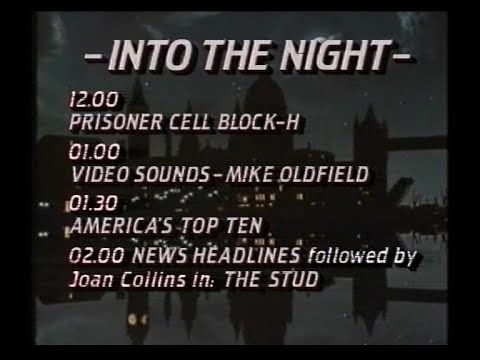
A 1987 late-night Thames continuity announcement followed by a nighttime, horror-themed version of the station’s famous ident:

2 Likes

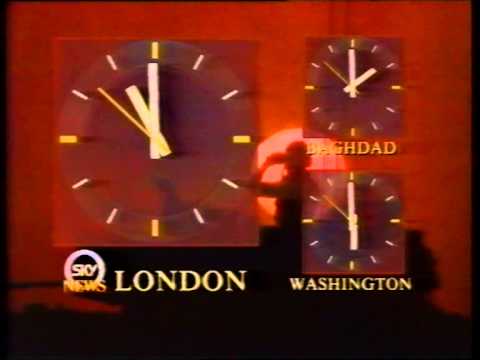
Since we mentioned CNN’s coverage of the 1991 Gulf War, here are some bits and pieces of Sky News’ coverage (from later in the conflict):

2 Likes

A suberp “eulogy” about the BBC Prime/BBC Entertainment channel, which originated as a service for European viewers, then to split with what became BBC World News, then to be renamed and expanded into Asia, Latin America and Eastern Europe, then split into dedicated feeds for specific regions, then phased out due to the launch of new global brands, then dropped due to the BBC shifting to streaming services globally… the network’s final presence in the original EMEA market has closed down as of today.

4 Likes
BBC

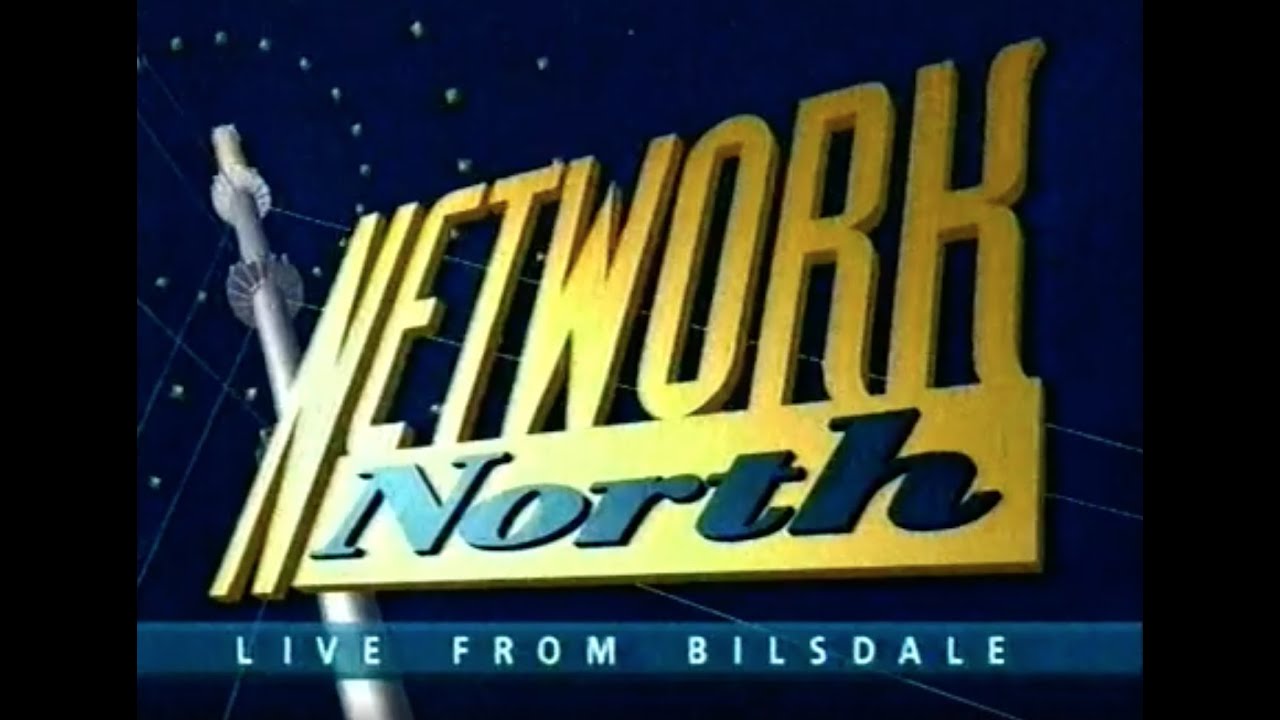
From 1993, the first edition of Network North, a sub-regional, Bilsdale-based newscast for the southern portion of the ITV region served by Tyne Tees Television (but facing signal overspill competition from neighboring Yorkshire Television):

Here’s the somewhat complicated story that led to the creation of Network North:

2 Likes

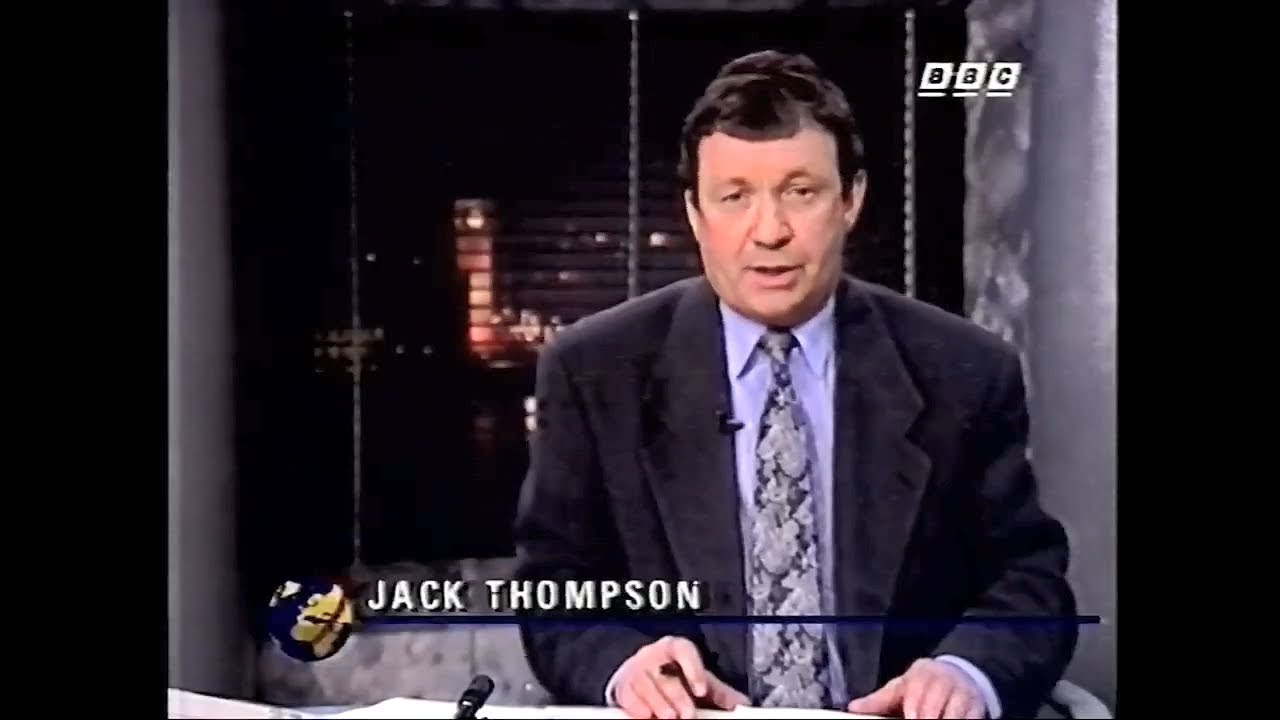
Back in the topic of BBC’s international channels, here’s how BBC World Service Television “split” into BBC World and BBC Prime back on January 26, 1995, seen from the side of BBC World, which launched with a longform news strand, The World Today, with former Newsnight anchor Donald McCormick and former Sky News presenter Nici Marx. After this, the first of various 30-minute broadcasts were aired, anchored by Alastair Yates. At the time, and similar to what Al Jazeera does now, selected hours were allocated for comprehensive 60-minute bulletins for specific time zones and dayparts.
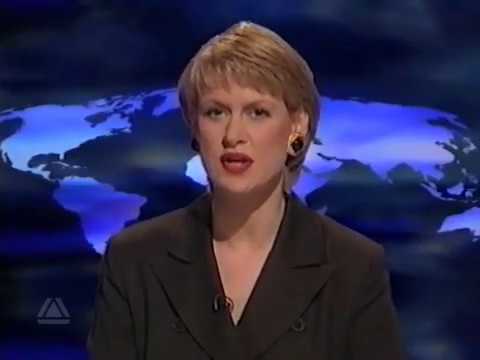
BBC World’s original presentation actually dates back to the final years of when the channel was known as BBC World Service Television. In 1994, and coinciding with the renewal of the partnership signed with Star TV (a renewal which led to WSTV being dropped from the Northern beam targeting Mainland China, fearing direct censorship from Beijing, plus a short-term renewal for Southeast Asia until March 1996), plus the launch of an Arabic-language service in partnership with Saudi-backed Orbit Communications Company, one of the first pan-Arab satellite digital subscription TV services (a service which just lasted two years after clashes over editorial and content policy), and failed attempts at launching a Spanish service oriented to Latin America (in partnership with American network Telemundo; that network would go its own way and launch, along with Reuters, Artear and Antena 3, their own news network, Telenoticias), Martin Lambie-Nairn was asked to design a new look.

Having hired a former Bartle Bogle Hegarty strategic planner, Sue Rose, as the company’s first such charge, the company employed new techniques which were more akin to an advertising agency, with media buyers and many BBC partners being asked about “what a global brand for television might be like” (p.157 in ML-N’s book, Brand Identity for Television: With Knobs On). Additionally, in collaboration with Pam Masters (BBC’s head of presentation), they placed some order in what Lambie-Nairn tells was a “tense environment”, with the operations being handled by four companies: BBC Worldwide Television (the company which distributed the service), BBC Television (which provided some programming), the BBC’s presentation department (which handled playout and operation of the feeds), and the World Service itself (which produced bespoke news and information programming for the network).

The result was a single task-force uning Lambie-Nairn personnel (led by Mr Lambie-Nairn himself, longtime accountant Sarah Davies and Mrs Rose) and various members of each branch’s staff; the task-force didn’t only oversee the new branding, but also represented “the most comprehensive and detailed involvement with a new channel up to that point” (p.162), even consulting on the anchors’ and presenters’ clothing; the task-force also was involved with the different BBC graphic design teams to create “a creative ‘family’ team”.

With all the elements and the research done, the company concluded two things: the need to find something “capable of working equally well across a wide variety of nationalities, cultures and religions” to stand out, as the research concluded there was an overdose of “shiny (…) metallic globes and logos” (p.161), leading to a “typically clichéd approach” (p.157). Ironically, BBC WSTV had rehashed the Computer Originated World symbol which had been used by BBC1 up until February 1991; when BBC WSTV launched in March, the globe symbol remained the same, but with the caption below the globe and the whole look being brought into line with the then-new BBC corporate branding, including a presentational style directly aping the BBC1 and BBC2 promo styling.
The brand also needed to reflect an “international nature” and avoid direct/strict connection with the BBC World Service radio network nor “overtly British in character” (neither direct presence of Lilliburlero, nor “a faint echo of Rule Britannia”), and with the BBC brand being related with “period custom dramas or classic comedy shows” (p.157, such as Fawlty Towers, the example given by Lambie-Nairn). It also needed to increasingly reflect and associate itself with the role that news played on the channel.

The final branding proposal, which needed to be a “graphic solution” (p.160) due to the sheer numbers of covered countries and the plans for the additional language services, featured abstract flags made up of various common visual components of national flags – such kind of geometric shapes such as stripes, bars and stars. The result was a flexible cohesive corporate identity, mixing these shapes to create “abstract patterns” (p.161), leading to a brand which trascended, according to ML-N, “cultural barriers” and was “immediate, direct, colourful and animated” to help the BBC stand out from the crowd.

The idents, which featured these geometric elements “billow to a breeze” (these were filmed and then “composited on computer”), were directed by Harry Dorrington and produced by Tania Cameron at TSI Video, featuring music from Lord David Dundas, which included hints to Lilliburlero, but was not entirely echoing the sequence. Additionally, new sets were installed at Television Centre (where the WSTV newsroom and studios were located), similar to those now being used at the time for BBC News national TV programming (the groundbreaking Virtual Coat of Arms designs), however, these were stripped of virtual set extensions.
Lambie-Nairn also suggested the service to be renamed as BBC World; however, this had to wait, given the split process was still being worked out and “the internal politics of the situation (that’s the complex structure of the operation) did not allow the change to be made directly” (p.161). However, 18 months later, with the split already announced, and with the new identity “designed (…) so that it could be easily changed at a later date”, the existing work was redone to reflect the new name and new schedule; the news opens and ident were also tweaked by Dundas, in order to bring a more authoritative style to it. Additionally, a new studio set was installed inside Television Centre, allowing them to finally get some kind of virtual set extensions and chroma key backdrops.
This is something quite rare: this is a filler sequence featuring a longer cut of Dundas’ ident music (3’28”). In the early days, BBC World was only offered as two feeds targeted to Europe and Asia, with playout handled by the BBC’s presentation department; as a result, adverts and regional programming were added by partners and cable operators, often feeded from their own playout and distribution centres. If there was a fault in connecting back with the feed from London (or needed to wait for the opt-out programme to end), this “Emergency Breakdown Kit” was played at the partner’s discretion:
5 Likes

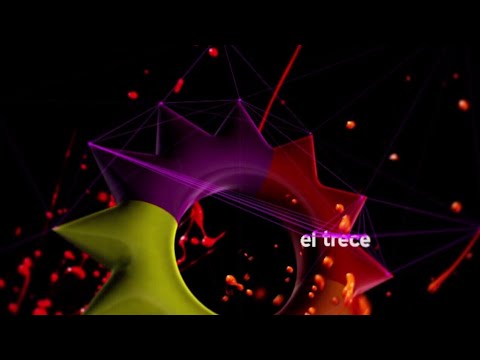
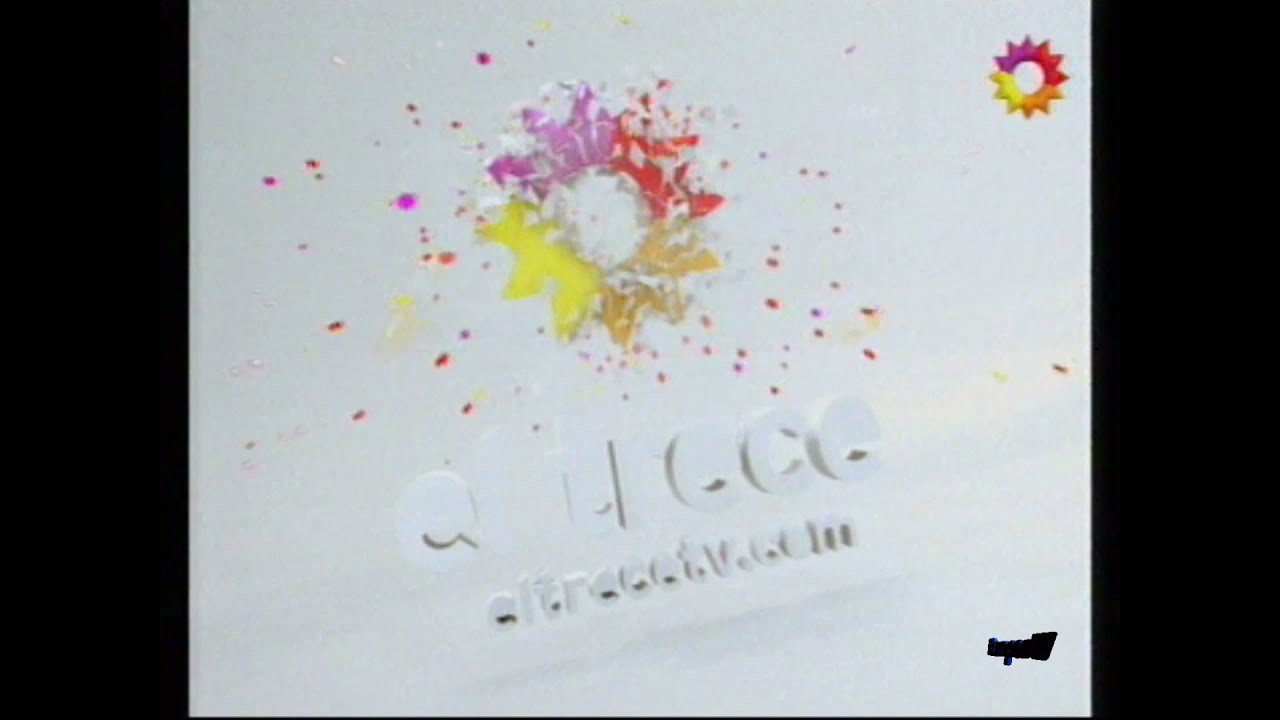
Canal 13’s famous “sun” logo is turning 30 this week! :partying_face:
Canal13_Logo_1994
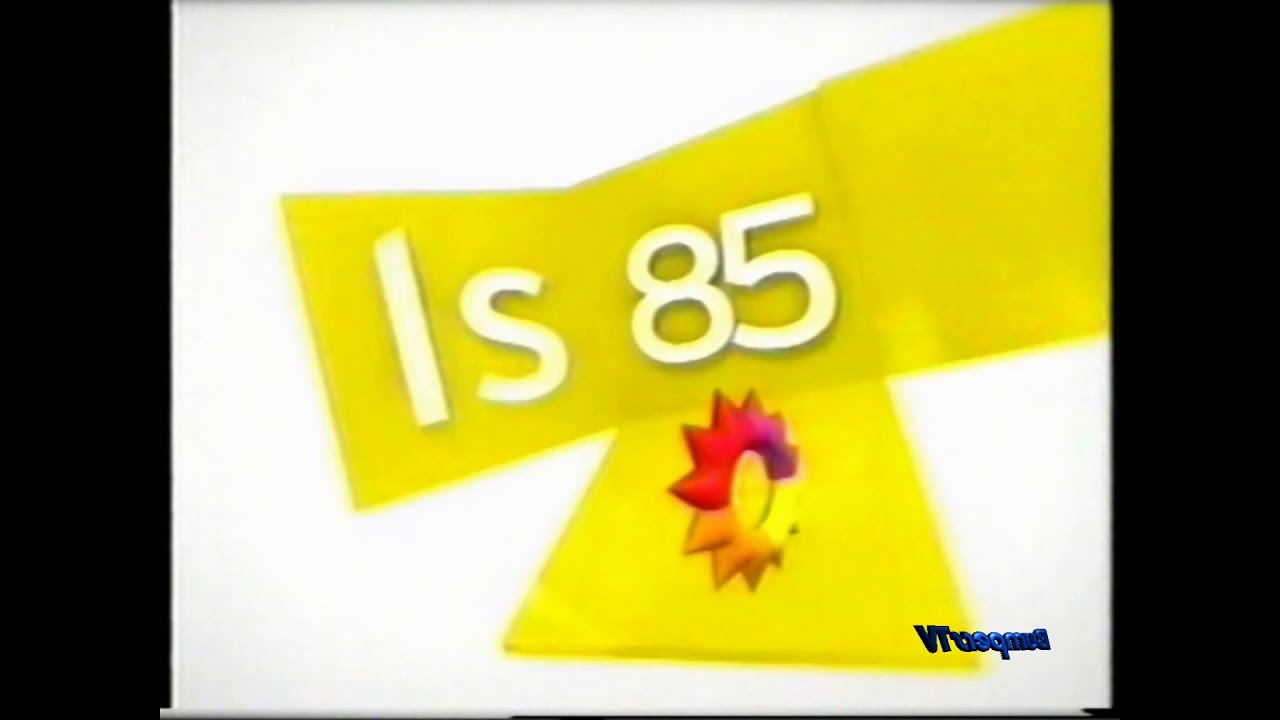
The colorful symbol (apparently inspired by the sun of the Argentine flag) was designed in the United States by Chermayeff & Geismar and made its first appearance in early April 1994. Here’s a double-page ad published by the Buenos Aires paper La Nación on Sunday 3 April, informing the public about the start of a new era for the Constitución channel.

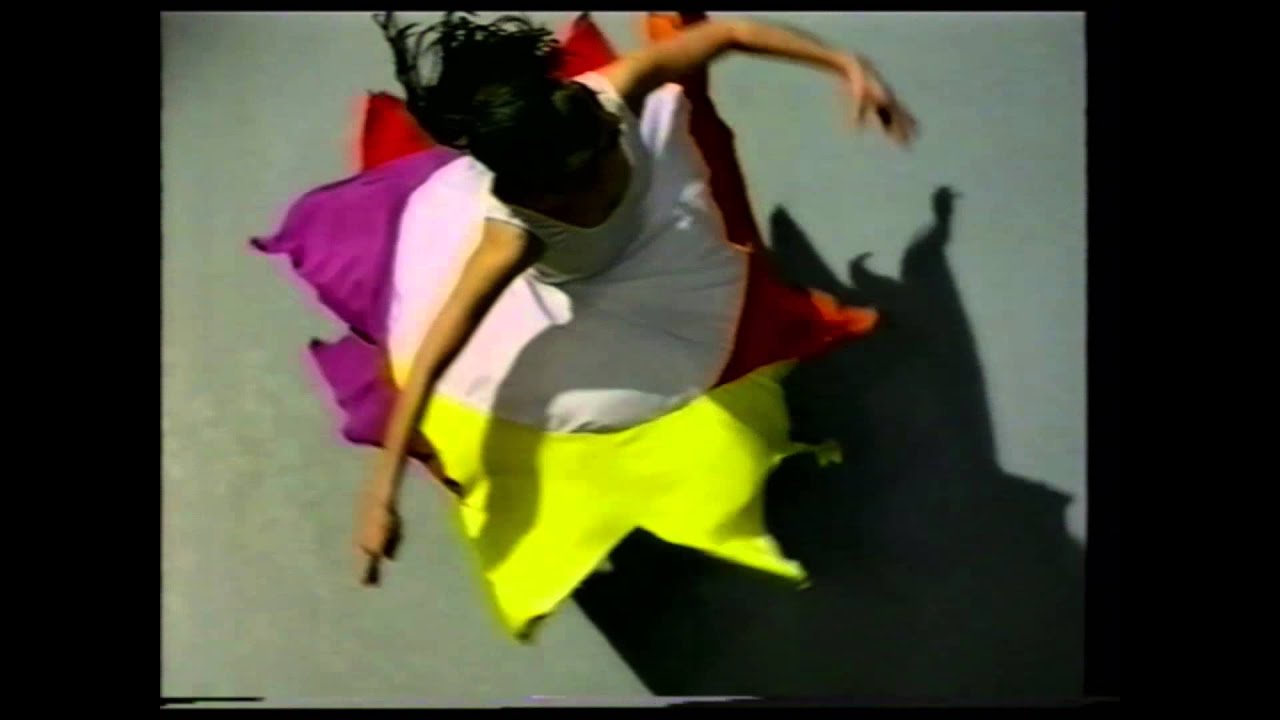
This is the first ident, that showed different suns from all over the world, accompanied by a proper orchestral piece.

Over these three decades, the logo was revised several times with changes in lighting and size (now it’s bolder), and with animation (that gave it life)!


As a tribute, here’s a compilation of bumpers of the 2013-14 branding, that has some similarities to that beautiful “dark” package that Canal 13 used in 2001.

2 Likes

That logo was designed by Steff Geissbühler; he was for 40 years a partner at Chermayeff & Geismar, and he worked with Henricus Kusbiantoro in the logo. The symbol was indeed inspired by the sun of the Argentine flag, and the “interlocking elements around an open center” referenced the particular Argentine sunset.

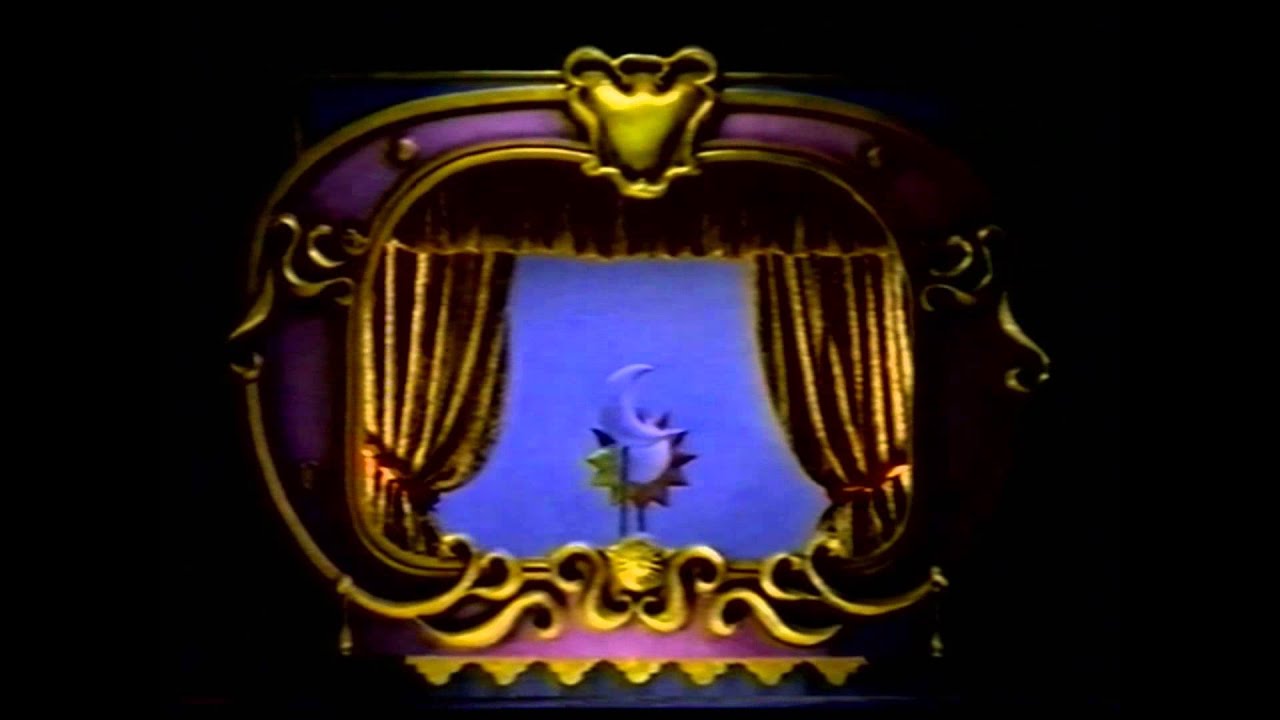
A massive promotional campaign was made during the summer in preparation for the launch, which involved Artear stars breaking the fourth wall and being surprised by the channel’s DOG changing to the “sun” logo (an example below); showcase promos for the fall season also made reference to the impeding transformation (“hay algo nuevo bajo el sol del 13”); when launched, alongside the suns ident, other idents and bumpers showed the sun under different guises:

Geissbühler and C&G would later team up again to design the logo of Artear’s subscription cable service in the Greater Buenos Aires region, Multicanal:

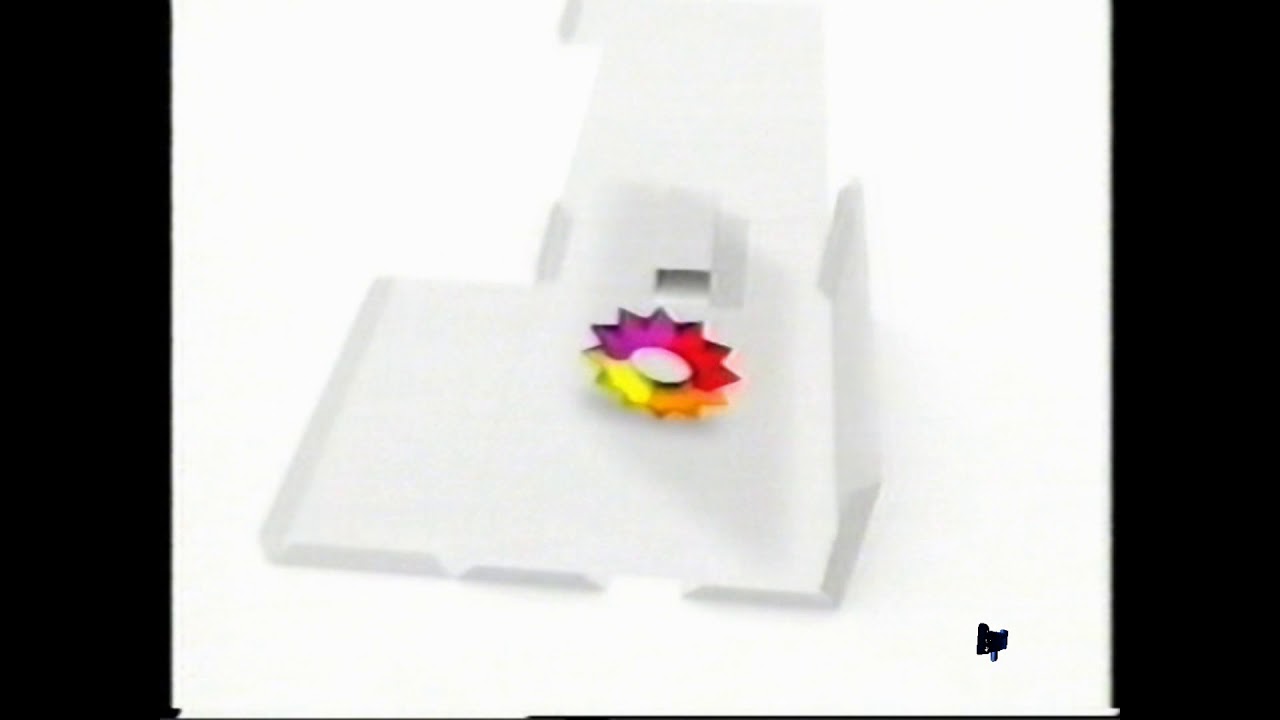
This logo was also designed by Geissbühler, although, by then, he had split from Chermayeff & Geismar; he had co-founded a new company, C&G Partners, with Keith Helmetag, Jonathan Alger, and Emanuela Frigerio. This time, Geissbühler and C&G Partners designed the logo and overall branding system, under the supervision of Marta Delavalle as consultant, which included a new word mark for Artear and a common framework for all of El Trece’s new services (including an international channel for South American viewers) and for regional O&Os.

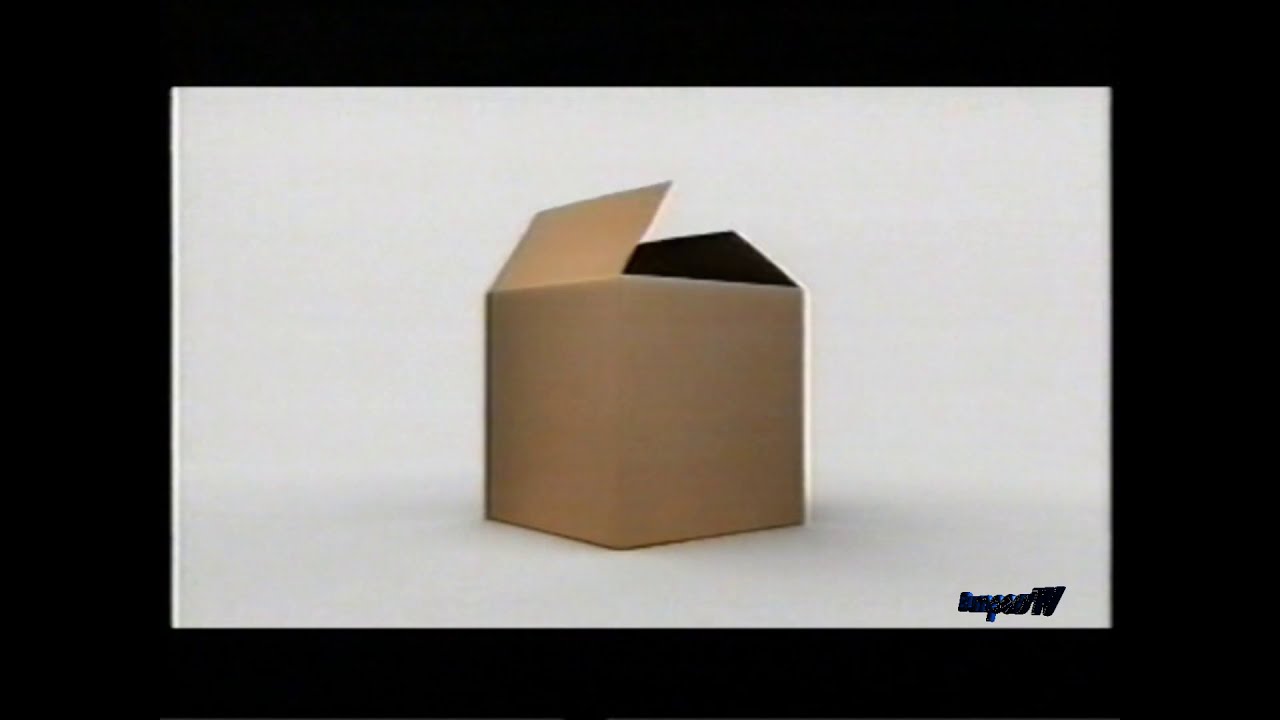
The idents, featuring a minimalistic white box design, were designed in-house, and featured the slogan “Si lo podemos soñar, lo podemos ver”, which was penned by Savaglio TBWA, as part of a campaign made in preparation for the network’s 50th anniversary, under the theme “Ministry of Dreams”, which reflected Canal 13’s “new era”, increasingly focused on original series, gossip panels and the Marcelo Tinelli-produced and presented programming under their exclusive deal (even if programming had changed, its news content was still showing some degree of seriousness and professionalism on air, but not for long).


Just one month on the rebranding, the style evolved to show some more colour in it, with the boxes now having the sun’s four colours:

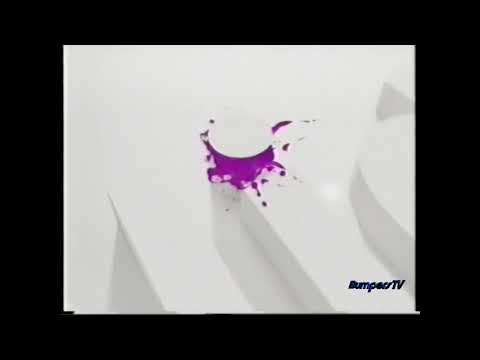
Branding was further changed that fall, with the “Ministry of Dreams” campaign over, and the network having massive ratings increases thanks to arch-rival Telefe having an executive crisis inside the network (content chiefs Claudio Villarruel and Bernarda Llorente were fired in 2009, replaced by Marisa Badía, who resigned amidst heavy controversy, and again replaced by Tomás Yankelevich, who had successfully stabilized the ship by 2012), the network once again changed its branding coinciding with the start of the spring season, downplaying the “dreams” theme and now featuring paint splats as a visual element.

The new El Trece brand system began to be expanded to regional O&Os, starting with Córdoba’s El Doce, which included a redrawn, softer swirl logo, and the splat identity being recoloured to orange:

However, by the time regional O&Os were adopting that branding, El Trece had again changed its branding, just in time for the 50th anniversary and the forced implementation of the new 26.522 Media Law (which led to the appearance of break bumpers and a separate +18 rating category for newscasts), now with serpentines as the visual element:

The minimalist branding was dropped by 2011, when El Trece’s branding began a new phase with the launch of HD programming and a yellow-heavy style; by 2012, a glossy package was implemented, and, by 2013, the “dark” package followed.


3 Likes

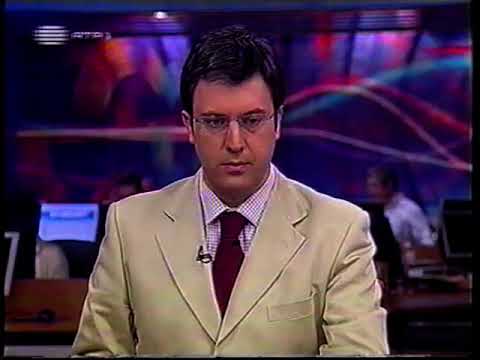
Following up with this 2004 RTP post, here are the opening minutes of the new Telejornal on 31 March, where José Rodrigues dos Santos and José Alberto Carvalho introduce the new facilities of the public broadcaster, taking a look at both TV and radio services.

The news studio was huge, and according to this report, it had enough space to produce 23 news programs from there. The dolly shot at the beginning was epic! :heart:

2 Likes

On that, a group of local researchers looked back at the British government papers on BBC WSTV and StarTV a few years ago, when BBC World Service was banned in Hong Kong.

Li family’s Hutchison group, the founder of the latter, lobbied directly to the British Foreign Secretary in 1991 for a laxer regulation, in exchange for the political benefits in broadcasting “political, responsible news coverage” in a post-1997 HK.

Their requests - a dedicated Cantonese channel, lifting regulations on subscription TV and finanical subsidies - were rejected, on the suspicion of Hutchison using London as a ploy for opening the commercial TV market in general.

They were also in close communication with the Chinese government, which reassured London a WSTV free from Chinese interference and possible instabilities after the handover. Alas, as Murdorch bought StarTV in 1993, WSTV was dropped in China, HK and Taiwan, in order for the service to reach the mainland market.


Continuing the ITV nostalgia a few posts ago, this is a really good website that documents radio and TV broadcasting history in South West England - mainly from the BBC (the site was named after the initial callsign of their local station), but it also noted the likes of Westward, TSW and Channel TV.

Some gems included:

  • BBC’s local newsmagazine interviewed the three ITV SW franchise bidders in 1980 (incumbent Westward, would-be winner TSW, and West Country TV):
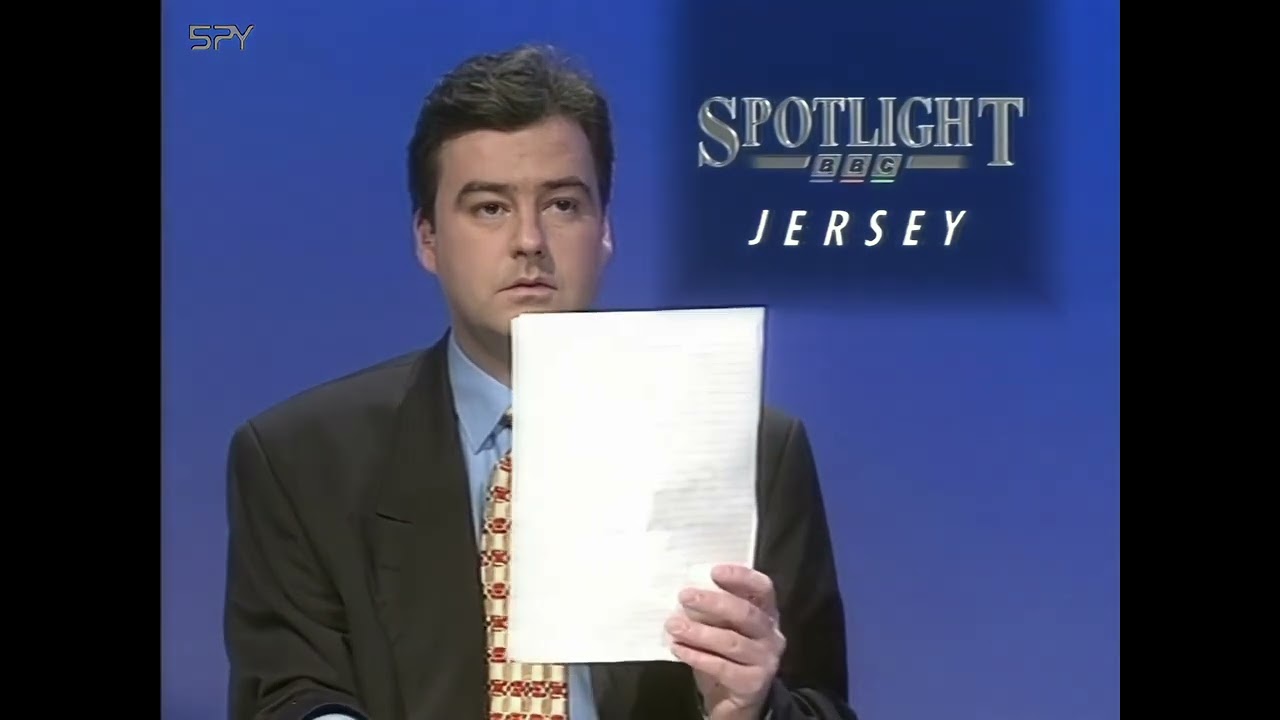
  • Some BBC Spotlight Jersey bulletins following the 1995 Channiland incident, which was presented from a Channel TV studio:
  • BBC West’s first news bulletin, 1957:
5 Likes