Overseas TV History

And an internet identity was born.

It’s actually made a comeback of sorts - had a one off edition last year which was well received (though not widely watched) and picked up a couple of awards. It’s getting a short run this summer over 4 Saturdays - seems unlikely it’ll return as a daily breakfast show, but it’s still fondly remembered and in these days of ever more depressing news often mentioned as a show that should return as an antidote to it every morning.

4 Likes

We saw a 1967 schedule of CBC in the Barbados above. Here’s a ID used by the broadcaster in the 1970 and '80. The logo was almost identical to the BBC’s logo from that era:


From 1993, an excerpt of NY1, a 24-hour cable news channel serving New York City:

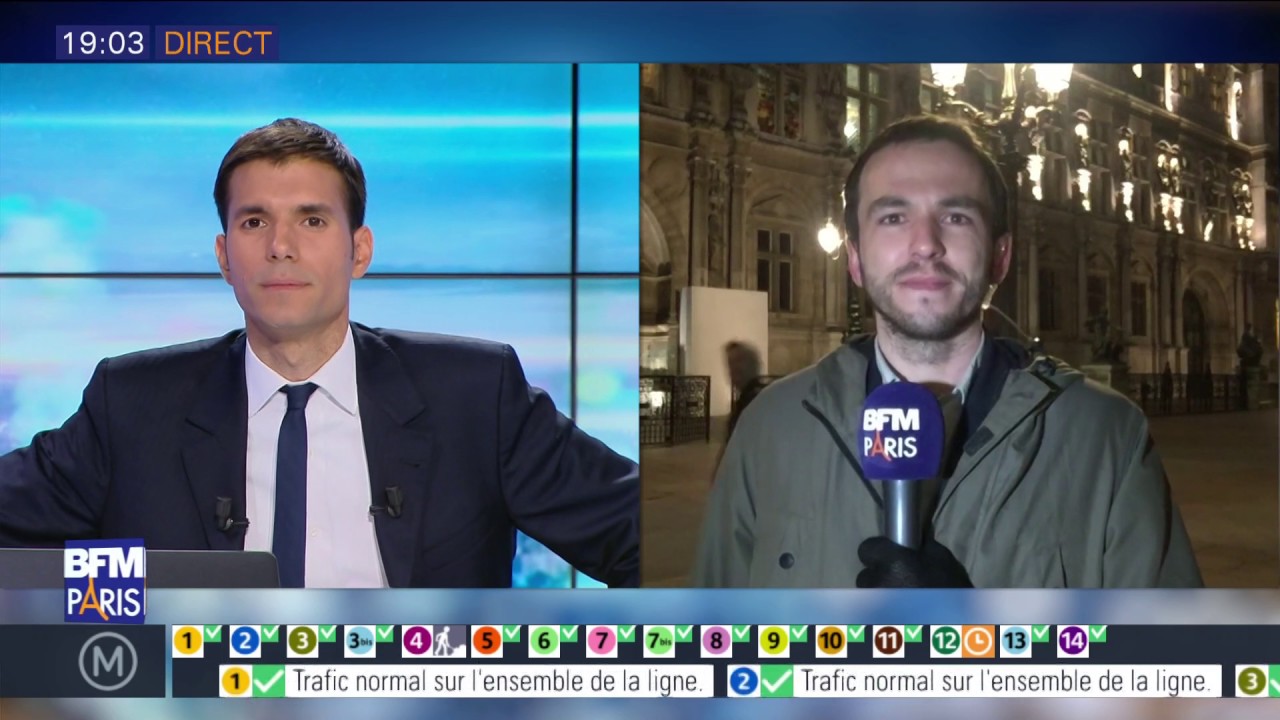
And here’s a clip of the 2016 launch of BFM Paris, a local news channel serving the French capital based on NY1:

In addition to BFM Paris (or BFM Paris Île-de-France as it’s now known), BFM now operates a number of local and regional news channels across France:

BFM DICI Alpes du Sud (Southern French Alps)
BFM DICI Haute-Provence (High Provence)
BFM Grand Lille
BFM Grand Littoral (Opal Coast)
BFM Lyon
BFM Marseille Provence
BFM Nice Côte d’Azur (The French Riviera)
BFM Normandie
BFM Alsace
BFM Toulon Var

2 Likes

The 2021 Big Breakfast revival was part of an initiative by Channel 4 called “Black to Front” where for one day, every show on their schedule had black presenters (an Aussie equivalent would be if Ten revived Cheez TV with two First Nations presenters)

3 Likes

When CNN aired gloriously cheesy, local-style image promos (this one was recorded off BTQ-7 in Brisbane):

5 Likes

Wow. There’s a cyclone warning, but there’s seemingly 10 minutes of headlines to read out first.

2 Likes

From late '60s Switzerland, a trilingual color ID:

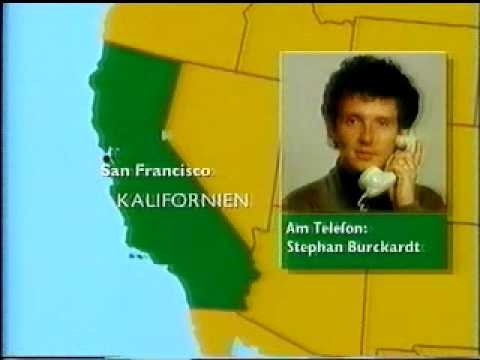
Staying in Switzerland, breaking news about the 1989 Loma Prieta/San Francisco earthquake dominates this 1989 German-language newscast from SSR DRS (the present-day SRF):

2 Likes

Another Swiss Tagesschau, this time from 1987 and major flooding in the Alps as the lead story:

Speaking of the Alps, here’s a 2016 edition of the local 12/13 on France 3 Alpes dominated by a series of avalanches:

On a lighter note, here’s a 1995 Slovenian commercial for live pigs to be used in the traditional early-winter pig slaughter.

The jingle goes something like this: “Pig slaughter, come to the pig slaughter, pig slaughter, pig slaughter, we’re having a pig slaughter!” (I should point out that Slovenian uses the same word for the slaughter itself as it does for the meat dishes served after the slaughter. It’s still a hilarious commercial, however. And why does the pig have the map of the world pained on it?)


Some interesting passages about cross-border TV viewing in Europe.

Here’s an excerpt about British TV (from the Channel Islands) being picked up in France in the late '60s, from John Ardagh’s 1968 book The New French Revolution:

“And even ITV and BBC in the Channel Islands attract a small audience in the Contentin, around St. Malo, and as far inland as Rennes. The local paper, Ouest-France, publishes the British programmes; in Dinard there is a Cercle des Amis de Channel (Channel TV) and a holiday hotel in Cartelet altered its dinner-hour so that its British summer guests could watch Coronation Street! […] There is even some French advertising on Channel TV, though the ITA does not regard this as strictly legal.”

Some other excerpts about foreign TV in France from the same book:

“Tele-Luxembourg […] has a viewership of one million in Lorraine, at least three times as many as in Luxembourg iteslf: in Nancy, 98 per cent of sets are adapted to receive it. In Provence, Tele Monte Carlo […] has been making a huge offensive and also claims a viewership of a million or more, from Menton to Marseille. Both these TV companies put their emphasis on variety, quiz-games, and popular films; there is virtually no culture, and within their reception zones they attract more viewers than the two ORTF networks together, especially among the working class. In German-speaking Alsace, 90 percent of sets are adapted to one or other German Rundfunk.[…]”

And here’s a quote from that old 1972 standby, The Universal Eye: World Television in the Seventies by Timothy Green):

“The ordinary family in Brussels can, with a good aerial and a modified television set, view no less than eleven channels in five countries. Besides Belgium’s own two channels – one broadcasting in French, the other in Flemish – Belgians have a choice of two channels from ORTF in France (three from 1972 onwards), three from Germany, two from the Netherlands and one from Luxembourg.”

2 Likes

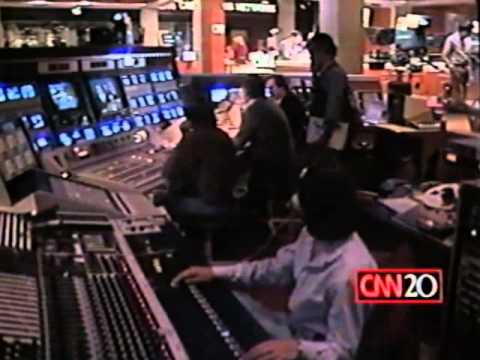
A look back at CNN’s early years from a 2000 retrospective:

A 1991 promo for South Africa’s terrestrial pay-TV channel M-Net (includes a look at the channel’s decoder boxes):

A 1988 program lineup for the channel:

3 Likes

Station ID, intro and excerpts of Canal 5 Rosario’s regional edition of Telefe Noticias from February 2000, presented by Ariel Bulsicco. At the time, the station had 2 local editions of the program (one at midday and one in the evenings), while its Buenos Aires counterpart only had one at lunchtime. Canal 5 produced bulletins made of local/regional news, interspersed with national/international stories from Telefe. The music used by the program was “For What You Dream Of” from Bedrock and KYO. Rosario is one of Argentina’s largest cities, with a population of almost 2 million people. For several years, this city only had 2 commercial stations: Canal 3 and Canal 5. A relay of Canal 7 Buenos Aires also operates on channel 8 there.

A late news round-up from Italy’s RAI Uno in December 1989, presented by journalist Tiziana Ferrario.

2 Likes

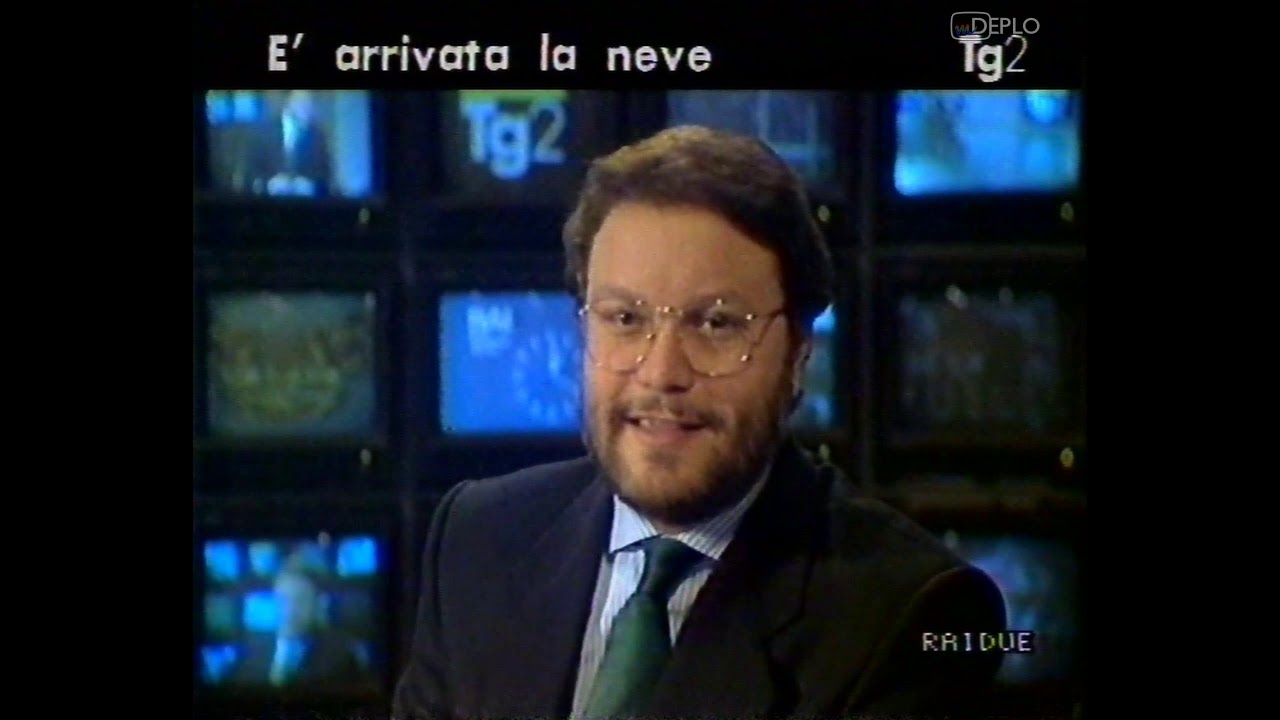
Since you brought up Italy’s RAI, I’ve always admired the elegant, somewhat minimalistic look used by RAI Due’s news department (Tg2) at that time:

2 Likes

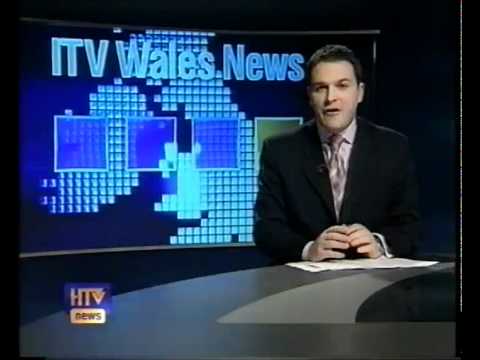
With the Prime7 News brand recently being replaced in Australia, here’s something similar from the UK: This 2004 clip features the final newscasts of HTV News in Wales and the first editions of the standardized ITV News Wales after the newly consolidated ITV eliminated all vestiges of the old HTV brand:


Ever wondered what TV was like in the Soviet Union? This is how Timothy Green, mentioned many times upthread, describes a typical evening’s TV lineup in Moscow in the early 1970s:

“The choice in Moscow, for instance, at eight o’clock one Tuesday in July 1971 was – U.S.S.R. soccer championships on Channel 1, a profile of worker in a vacuum cleaner factory on Channel 2, a German lesson on Channel 3, and a new film, Bracelet 2, on Channel 4.”

According to Green, the first channel was the flagship channel, broadcast across the Soviet Union, but not simultaneously because of the country’s many time zones. The second channel was the local Moscow channel, “concentrating primarily on the capital scene…, covering events of the day, local sports and including plenty of live coverage of concerts and ballet.” The third channel was “purely educational,” while the fourth channel was mostly highbrow/cultural.

In 1971, the Soviet Union was the only country in the world to use satellites as the primary method of domestic television distribution. According to Green, “Well over three-quarters of all homes can watch at least one channel, while in nearly fifty cities there is both a national channel from Moscow and a regional channel. Leningrad has three channels, Moscow itself boasts four. The Russians are not content to rest at that. The main national programme from Moscow will blanket the entire Soviet Union early in the 1970s, including the remotest and most sparsely populated regions. In addition, regional television centres with five channels are being built in Tashkent and Frunze in the south and Vilnius near the Polish border. The ultimate aim is to have five channels available to every Soviet citizen.”

2 Likes

December 16th, 2003: The UK’s now-defunct VH2 was launched on all digital cable services including Sky.

1 Like

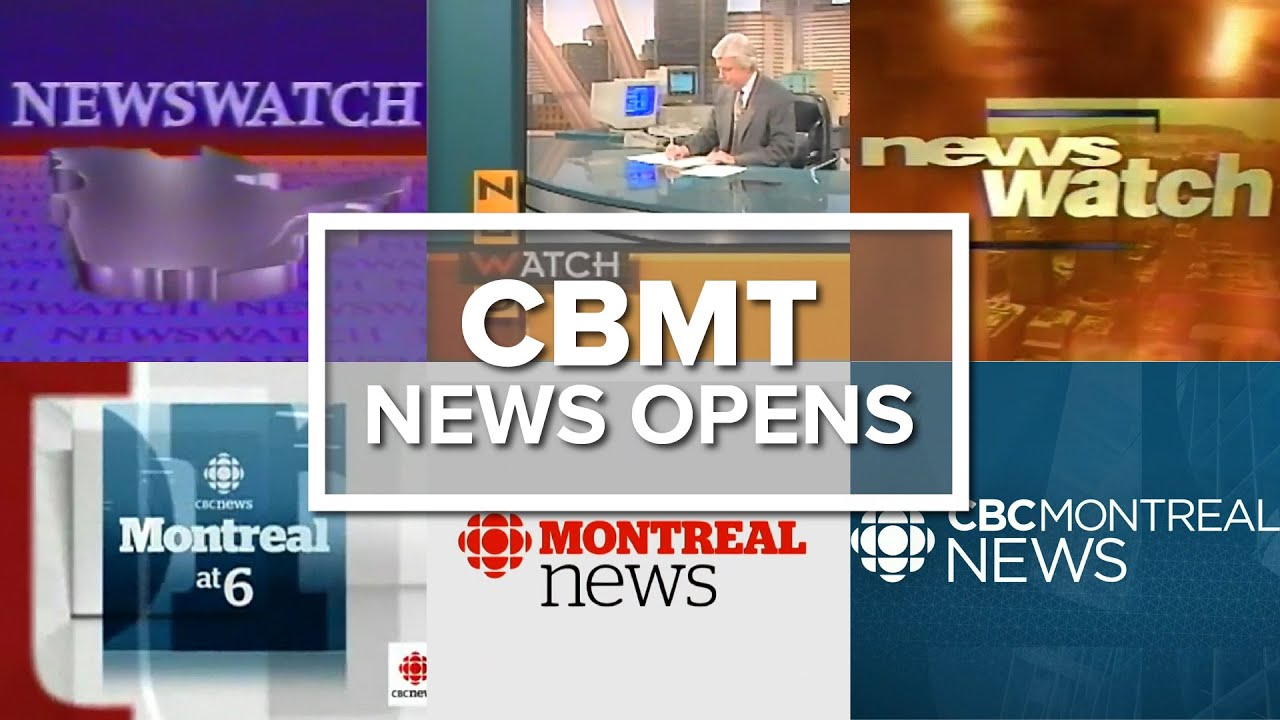
We’ve seen its French-language counterpart, so here’s a historical compilation of local news intros from CBMT, the CBC’s English-language station in Montreal, Quebec, Canada, from the 1960s to the present day:

2 Likes

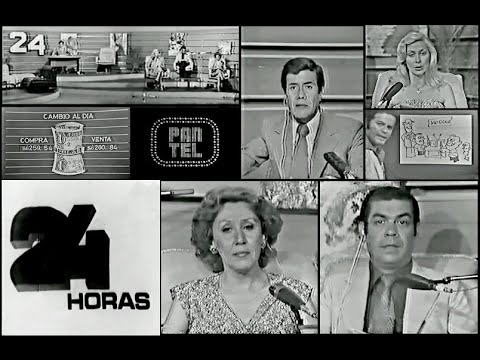
Another look at the past, in this case from South America. First, let’s travel back in time to February 1980 for an edition of Panamericana TV’s veteran news program 24 Horas and its big team, with several announcers taking turns to read the stories. The program was produced in black and white: only a few stories were aired in color. Peru switched to full color broadcasts later that year.

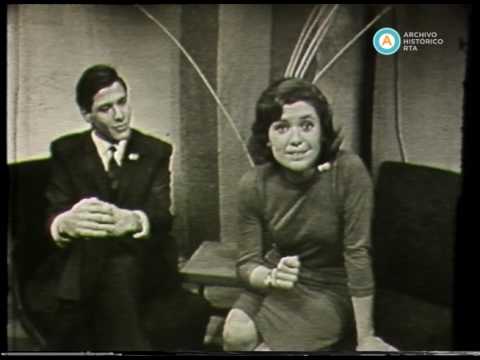
Here’s a full edition of Canal 13 Buenos Aires’ main evening newscast Telenoche in July 1966, presented by Monica Cahen D’Anvers and Andres Percivale. The program debuted earlier that year as an innovative way to present news stories, mixing topical issues with newsreel segments, voiced by journalist Roberto Maidana. It built a reputation of responsible journalism for several decades, winning lots of Martin Fierro awards and many loyal viewers. Today, Telenoche is still on the air, but its style has changed dramatically (influenced by the minute-by-minute rating measurement system): its editions are dominated by tabloid reporting, crime and gossip stories.

3 Likes

A historical compilation of news opens from CHAN-TV in Vancouver, British Columbia, Canada, from the 1960s to the present day. Once a CTV affiliate known on-air as BCTV, CHAN is now a Global affiliate known as Global BC. The station’s open-plan newsroom set in the late 1970s inspired CNN’s first newsroom. It wasn’t the first such set (WBBM in Chicago famously aired its newscasts from the newsroom), but the president and the lead architect of CNN thought it was the most closest to what they wanted to have; they toured CHAN’s facility and based CNN’s layout on it.

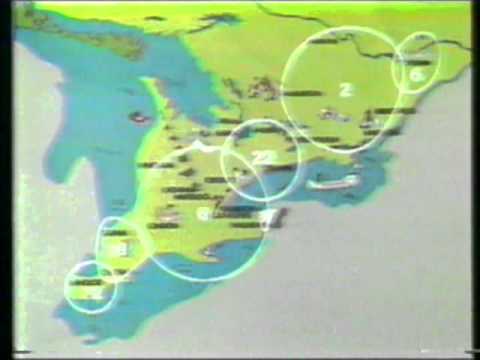
And speaking of the Global Television Network, here’s the network’s sign-off from 1979, including a map of Global transmitters in that era. Global is now a national network, but back then, it was a regional operation only available in southern Ontario.

3 Likes

If y’all wanted an interesting watch - this mini-series is about the history of satellite broadcasting in the UK - BSB vs. Sky, Sky being a competitor in what was supposed to be a satellite TV monopoly in the UK.

5 Likes

Actually a good watch, although a bit long and they could have spliced around eps 5 and 6 with the time they spent on idents and programming.

Ep 7 was a really good watch though, about the installation of Sam Chisholm from Nine and the eventual merger between BSB and Sky Television.

3 Likes

Thirty years ago:

3 Likes

A documentary about television in Nazi Germany:


CNN’s original weekday schedule from 1980, from CNN: The Inside Story by Hank Whittemore:


3 Likes

A 1982 segment from CNN’s Take Two with Al Primo, the inventor of the Eyewitness News format and a consultant hired to increase various local TV stations’ news ratings:

2 Likes