One could argue that broadcasters may have been more willing to include branded local content on their stations in current times. Such as a local fishing show in Wagga Wagga or a Hunter travel show in Newcastle on a secondary channel.
For at least the past decade, regional broadcasters are less likely to air sub-market “local” branded content, and would rather something to run entirely on their network if it can cover the cost of lost revenue by not taking the network program it’s replacing.
Affiliation agreements and revenue would look totally different. Perhaps WIN would have dropped their “Nine channel” and replaced it with Sky News on WIN a long time ago.
the original framework for the regional operators’ proposal of multi-channel services as opposed to aggregation was for them to be able to open a secondary channel within a year, and a third channel within a maximum of three years.
The plan was that by 1996 the regional operators would then be required to sell off their second and third channels to allow for full competition. This would probably have ended up with three competing networks as happened with aggregation anyway, but was to be a gradual phasing in of competition rather than the government’s preference to open up to full competition from the beginning.
Given that the current situation meant the stations from the biggest markets were able to do the best program deals - if there was the multichannel service model, you probably would have had most heritage regional stations align themselves with Nine - selling off the Ten/Seven linked stations.
If the local incumbents all got a stronger affiliation, we might have seen local programming last a little longer - at least until those former primary stations all bought out each other to complete a network.
I would assume southern NSW would have been CTC7, WIN4 and RVN4 and DDQ10 probably put in with NEN9 and NRN11 with the QLD market being SEQ8, RTQ7, MVQ6 and TNQ7
Could you imagine what would have happened if in 1956 Shepparton (it’s town population back then was 8,000) was not granted a commercial TV licence on its own? They would have most likely got a translator of AMV4 Albury on channel 6 instead of its own TV channel. Swan Hill ended up with BCV8 Bendigo instead of its own channel on 11, while Warrnambool, Hamilton and Horsham got BTV6 Ballarat instead of their own channels.
The former WIN/SES 8 studios in Mt Gambier have been sold. Unsurprisingly, WIN took what was useful for them in terms of equipment and just left the rest when they vacated the site. Source: ABC
This is quite the read, someone who bought a used TV station in a partnership wants to keep it history alive while using it as a place for music and arts or volunteer area, I think this is just wonderful to see this sort of space used for something special again.
That’s ok, I spoke with my Dad & he said playout was shifted to MediaHub on the day the analogue signal was switched off on 15/12/2010, so that was the last time the local studios were used.
after reading that article, watching that video of SES8 Mount Gambier 30th anniversary, I thought that was one of the best ones I’ve seen. (also sounds very simmer to the 21st anniversary of RTS5A Riverland.)
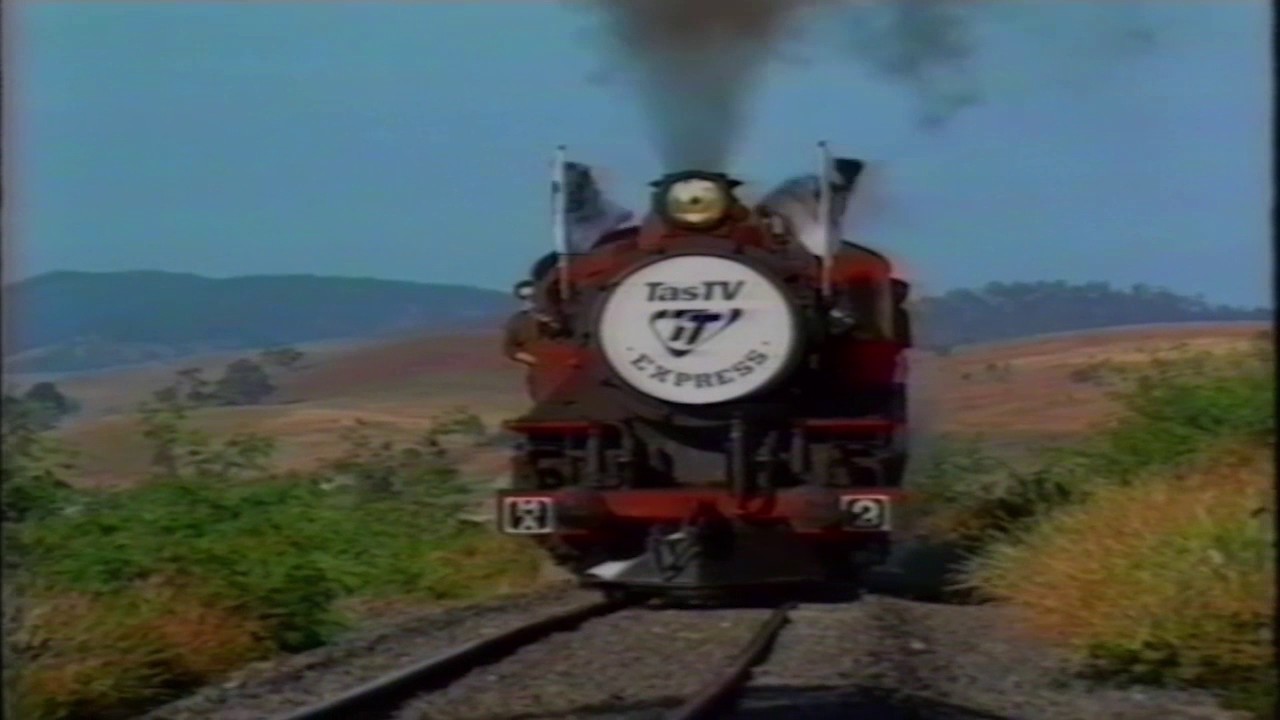
The Great Tas TV Train Rides Remembered, a special videotape documenting the journeys of the Tas TV trains, the Express (from Hobart) and the Flyer (from Wynyard), rolling their way to the channel’s new Launceston studios for their open day festivities on aggregation day in 1994. Includes a brief montage containing locally-produced shows, pre-aggregation, and some other popular shows aired on TVT6 over the years. Many well-known personalities of the time from Tas TV and Nine Network shows can be seen aboard the trains, and you may even see yourself or people you know that may have been on board the trains too.