A 1994 promo for Astra, the pan-European Direct Broadcast Satellite system:

A 1994 promo for Astra, the pan-European Direct Broadcast Satellite system:
A 1984 BBC report on pirate station Telstar TV:

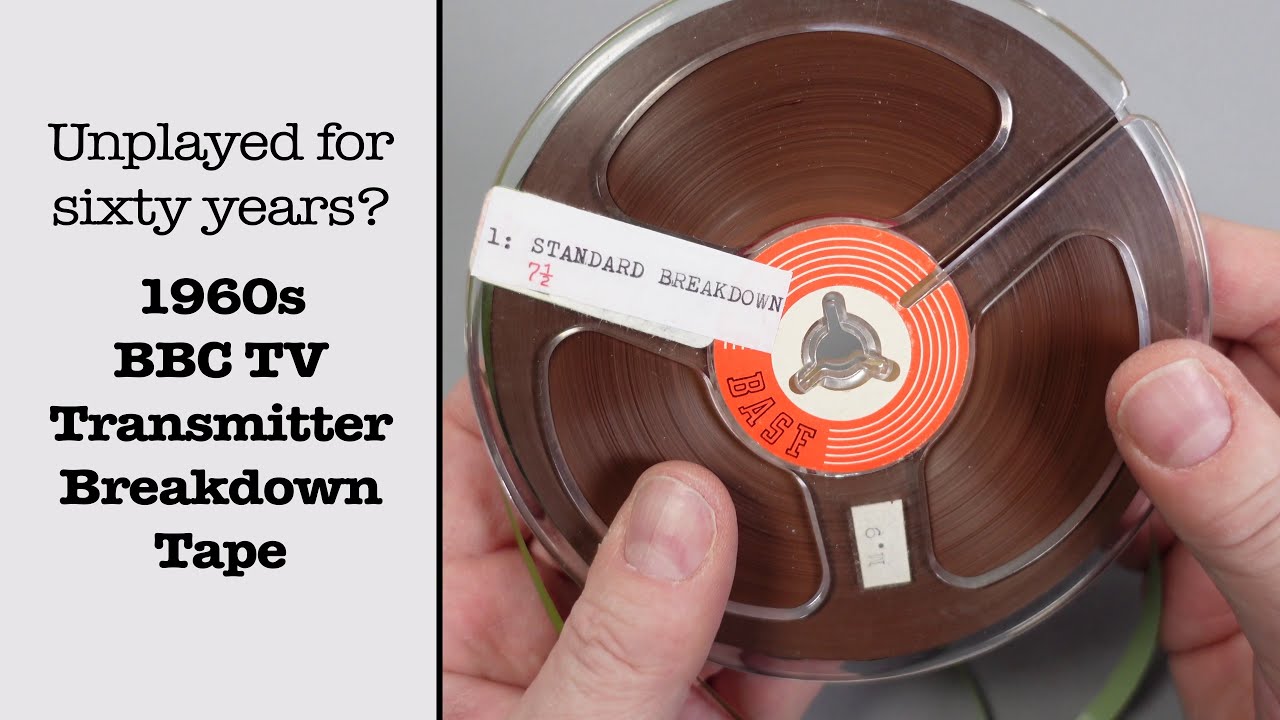
Here are reels of a graphics package used by Polish broadcaster TV Puls between 2007 and 2008.


This look was introduced by the station after News Corporation/Fox International Channels bought a 25% stake on the broadcaster, which was originally licensed as a Christian religious and family-oriented station owned by the Franciscan Order, and supported by Polish state companies; it soon ran into financial trouble and closed for a few months in mid-2003 before being rescued by a company related to Polsat.
The Fox acquisition served to relaunch completely the station; by January 2007, TV Puls’ licensing had been changed to that of a general channel (but still complying with some hours for religious programmes). Soon, the channel began airing more imported programming provided by Fox, and News Corp appointed American media executive and consultant Farrell Meisel as the network’s president, being provided with the task of relaunch the then-obscure network and bring more attractive programming for viewers.
Eventually, by October 28, the new look, with music being taken from Gari Media’s Eyewitness News package (the same used by many ABC O&Os), was launched with the roll-out of a new schedule, with more imported entertainment shows, including top-tier programming like Star Trek, The Amazing Race and Everyone Loves Raymond. It also embraced local adaptations of global entertainment formats such as Are You Smarter Than a 5th Grader?, The Newlywed Game and Sing-A-Song. The channel also launched a new news bulletin, Puls Raport, a fast-paced newscast with a serious tone and a Fox Report-esque style, airing twice a day at 19:30 and 22:00.
However, none of these changes attracted higher audiences (even if these were improving). Particularly worrying was the situation of Puls Raport, leading to the late edition being dropped and the main edition being moved an hour earlier (to 18:30) to kickstart its competitors; it also launched an American-style morning show after reallocating resources. However, by the start of 2008, News Corp had finally started to down tools. On February 29, Meisel was replaced by Polish executive Dariusz Dąbski, who began reevaluating the channel’s programming scheme; by July 16, Puls Raport was axed, citing high costs and low ratings, and the bold branding had been dropped by September 1; eventually News Corp sold their stake on TV Puls on November 3. The refocused light entertainment format of the network has proved eventually to be successful, with ratings being now line of secondary entertainment channels TVN 7 and TV4.
A small compilation of idents from a Peruvian TV channel called Global (not related to the Canadian network) in 1995.

By 1998, Global changed its name to Red Global and introduced new idents that resemble CBS’ campaign Welcome Home from around that time. Its slogan “Bienvenido a casa” literally translates as “Welcome home”.
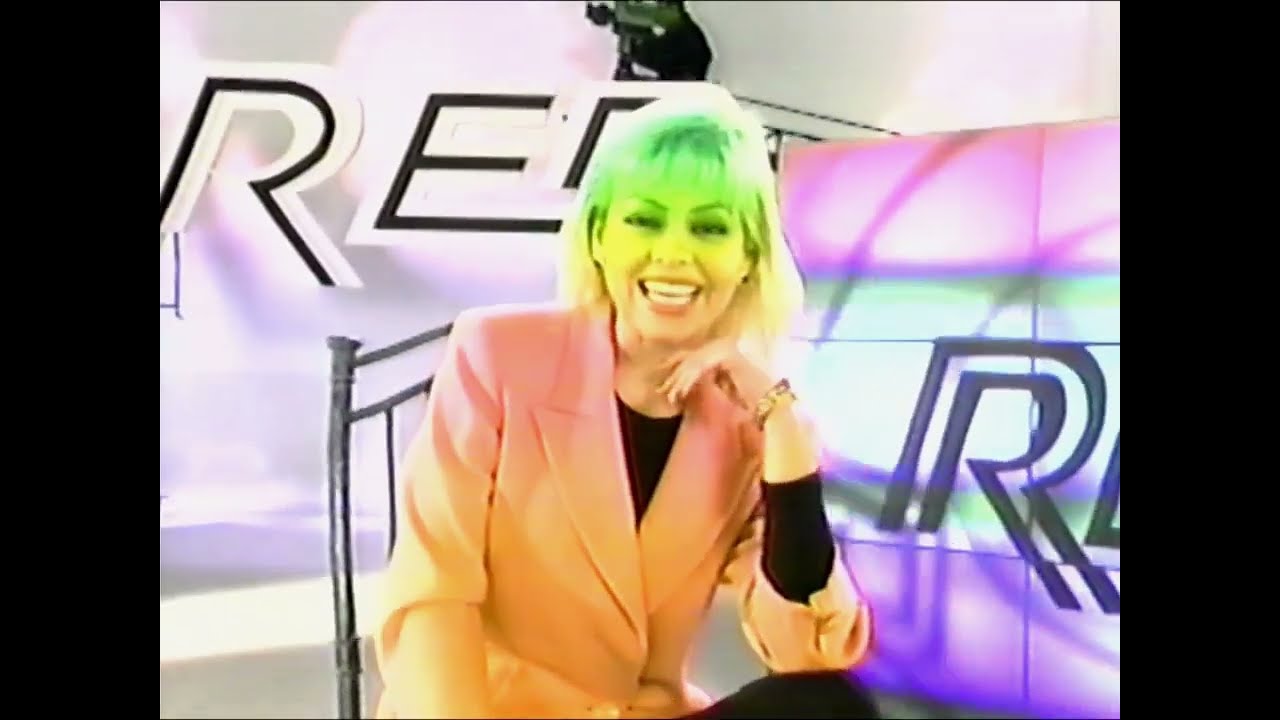
These idents were used when Antena 3 administered that channel during the period, whilst the ownership status remained with Vittorio de Ferrari Maccio, who had owned the network from 1990.
Antena 3, seeing the increasingly booming economy in Peru (under the controversial rule of Alberto Fujimori), decided to install a local subsidiary of its majority owned production company Globomedia, which the Spanish broadcaster founded with Emilio Aragón, Luis Fernández-Vega, Daniel Écija and José María Irisarri. The new subsidiary produced a series of lifestyle shows with the attempt of selling them to other commercial stations, but they rejected them on the grounds of its low-cost budgets.
The broadcaster (then-owned by Antonio Asensio’s media empire Zeta) decided not to down tools, and began talks with Global by the start of 1995; the shared services deal was signed later that year and involved Antena 3 and Globomedia taking over the operation of the station, but the De Ferrari family retained ownership and all the license assets.
The new look Global launched on June 5, 1995. Unlike the former incarnation of Global, which aired imported programming (dubbed into Spanish) and music videos, the new schedule included more varied content, including programming sourced from Antena 3 and some original content, plus some short-form news updates scattered in the schedule. The highlight of the new programming were the Antena 3 shows, which were by then the top-rated in Spain.
Although ratings improved, Vittorio de Ferrari suddenly died, passing control to his son Roberto. However, he didn’t want to operate the station, so he decided to break unilaterally the contract with Antena 3 and sell the station to Genaro Delgado Parker, the founder of Panamericana Televisión. Soon the channel began a legal battle with Julio Vera Abad, which led to unstable operations. The rest is another story.
As for Antena 3, it was in process of being taken over by Telefónica, and given it operated a cable network in the country (Cable Mágico), the Globomedia production company was absorbed by the telecom company, renamed Antena 3 Producciones. Telefónica’s vast resources allowed them to eventually start producing and controlling exclusive channels for the cable service, and eventually, to content distribution, leading to a renaming in 2008 to Media Networks Latin America.
Commercial breaks and presentation aired during Millennium night on Mexico’s two largest broadcasters, Televisa and TV Azteca:

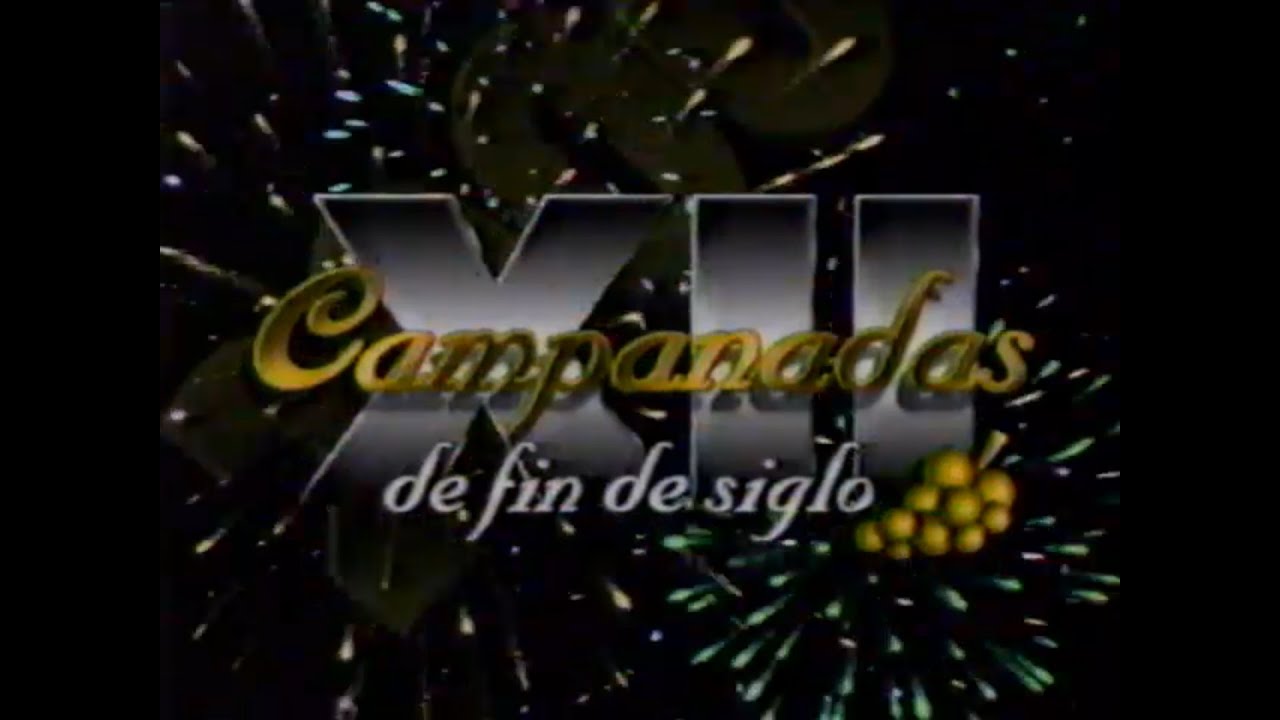
Televisa and TV Azteca, as with many broadcasters worldwide, went all-in for their Millennium coverage plans. In the case of Televisa, the broadcaster was part of the 2000 Today consortium, being one of both Mexican members, alongside state broadcaster Canal Once. Both broadcasters went in and out of the global feed, with Televisa providing short blocks of programming inserted into a schedule also made of special editions of its news, telenovelas and entertainment programs, whilst Canal Once stood longer with the global BBC feed; it also used the Lambie-Nairn presentation.
Both Televisa and Canal Once, on behalf of the Federal Government, co-produced the Mexican segment of the broadcast, which featured performances by Juan Gabriel, one of the country’s most popular and commercially successful artists, and tenor Fernando de la Mora, performing with a then-record breaking mariachi supergroup specially formed for the occasion, in front of a crowd of thousands of revelers in Mexico City’s Zócalo, including then-President Zedillo. The event was also designated a mandatory ministerial broadcast by the Government, being simultaneously broadcast on all national TV and radio channels (believe it or not, Government events are mandatory ministerial broadcasts in the country), and was preceded by a special program celebrating Mexico’s history as a nation and in the forefront of cultural diversity.
In the case of TV Azteca, it joined the Nine-backed Millennium Television Network, and planned and pre-recorded a massive musical spectacular featuring the broadcaster’s exclusive musical artists, to complement the international part of the event (which featured many A-listers). After the original plans collapsed, TV Azteca was one of the broadcasters who joined in talking with other affected members to share some resources and air portions of its coverage; it also filled other spare time with increased reporting from events and happenings inside the country. The musical spectacular was also broadcast as planned.
A special program made by Baltimore station WMAR (channel 2) in 1998, as part of the celebrations of its 50th anniversary. This report covers the first 16 years of operation (1947-1963).

During those early years, 'MAR was affiliated with CBS and switched networks twice in its history: in 1981 (it went from CBS to NBC) and in 1995 (from NBC to ABC).
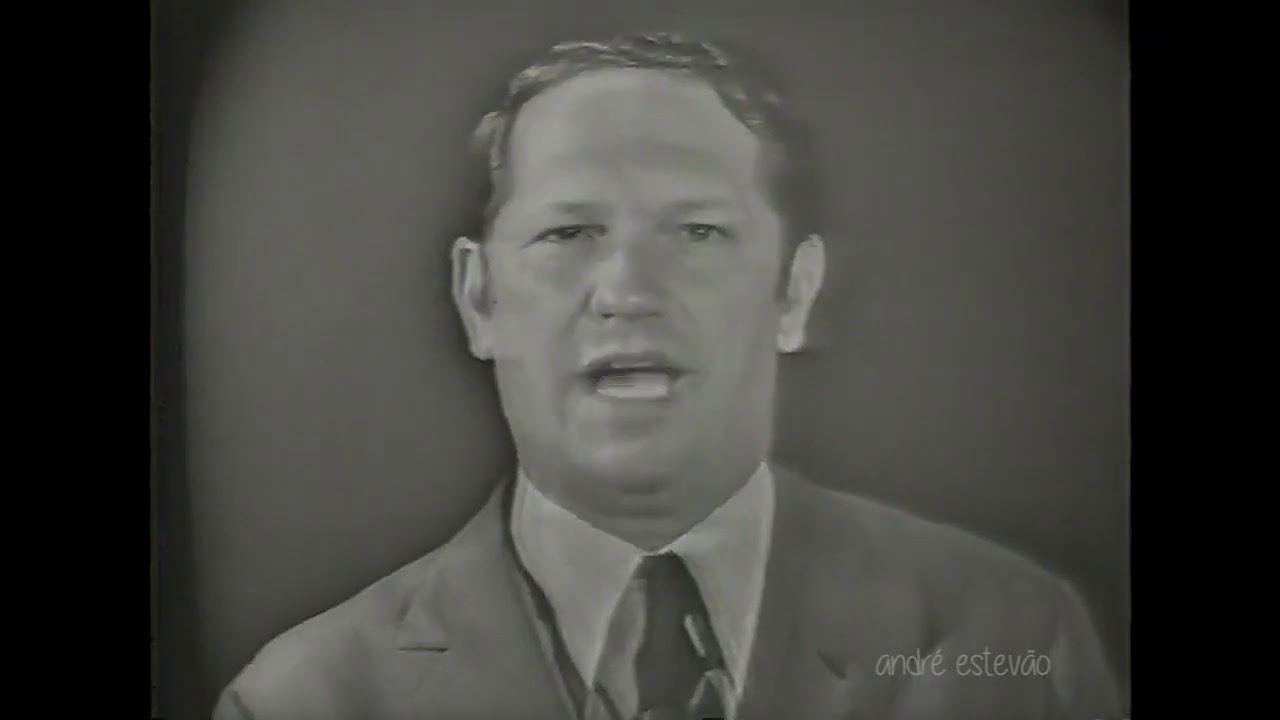
Here’s a portion of O Seu Repórter Esso, a newscast aired on Brazilian TV network Tupi in June 1970, read by announcer Gontijo Teodoro. It ceased production at the end of that year.
To add to the failed 2000 broadcast consortium, Cable TV, instead of TVB per the Wikipedia entry, was to broadcast the Millennium Live special on their YMC (Youth Music Channel). This was the programme promo in Cantonese, highlighting the uniqueness of across 24 time zones and a local countdown at Hong Kong Time Square:
Not sure where the millennium broadcast ultimately went to in Hong Kong though.
guys, idk where to find the 2003 promo for the uk’s now defunct vh2 (sister channel of vh1 uk) where the logo was in a video for travis’ why does it always rain on me. but, needless to say that i am very sure that someone like stormyblue on youtube and @Medianext.MX will be able to find it. as well as some other idents for the channel that are snippets of other music videos from other rock bands and artists but with the vh2 logo.
This is a photo of one of the 2003 VH2 music videos with the logo idents which isn’t found until stormyblue on youtube and @Medianext.MX find it. like lost media wiki, the status of this seems to be lost.

Did you know that the now-defunct VH1 Europe (now MTV 00s) was changed from 4:3 to 16:9 in 2013?
Shocker of news happening this morning: Belgian TV news legend Martine Tanghe has suddenly died after battling breast cancer; she had been hospitalised this weekend. She was 67. Here is a very lengthy farewell piece from VRT NWS (in Flemish Dutch), including the moment Wim de Vilder broke the schedule of the midday Journaal to announce the news:
She was one of VRT’s main newsreaders for over 42 years, starting in 1978 (when she was 23). Eventually, she made the ranks and became synonymous with VRT’s news department, leading election coverages and breaking news specials, plus anchoring a diversity of sociopolitical shows; with the 2002 relaunch of the news service, she was named co-chief anchor alongside Wim de Wilder. She retired in 2020 to record-breaking ratings (more than 2 million viewers), and her co-chief anchor position was taken over by Annelies van Herck. Tanghe remained in public visibility during her retirement period, including as jury and even narrating children’s theater pieces. Just last Thursday, Tanghe had received the Crown Order from Prince Philip of Flanders for her services and long trajectory to culture and media.
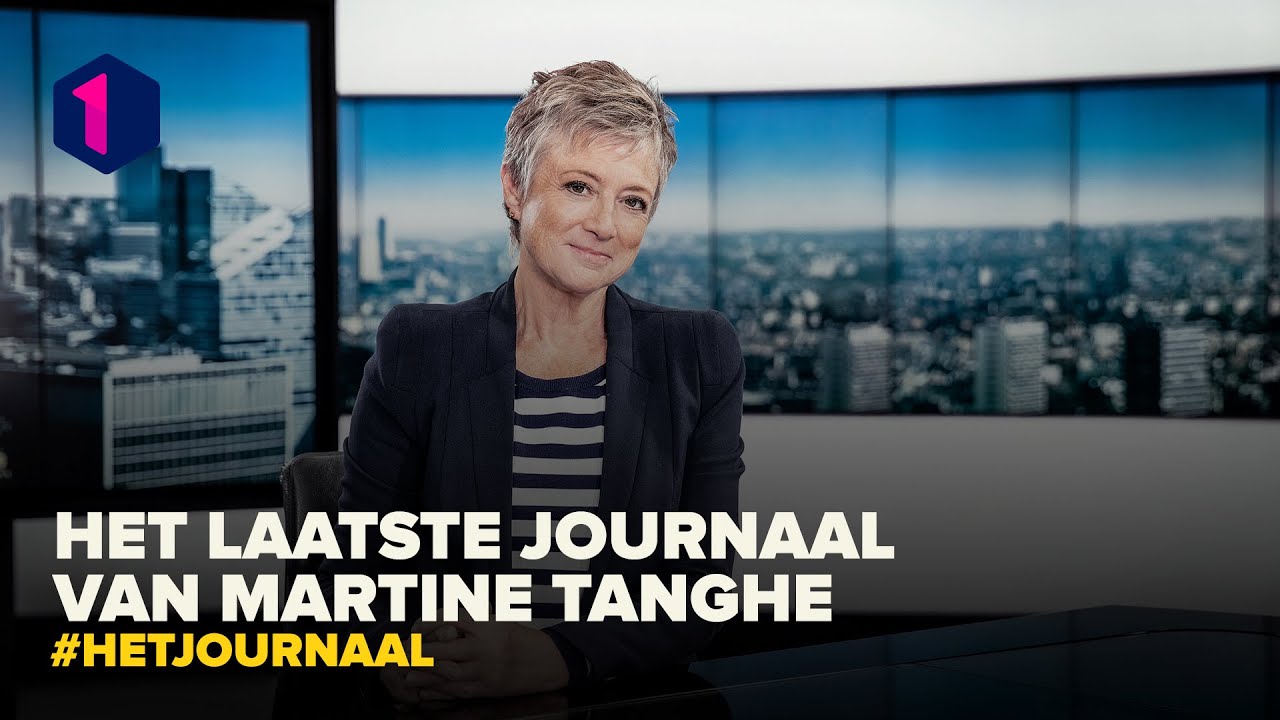
Here’s the final newscast Tanghe presented back in November 2020:
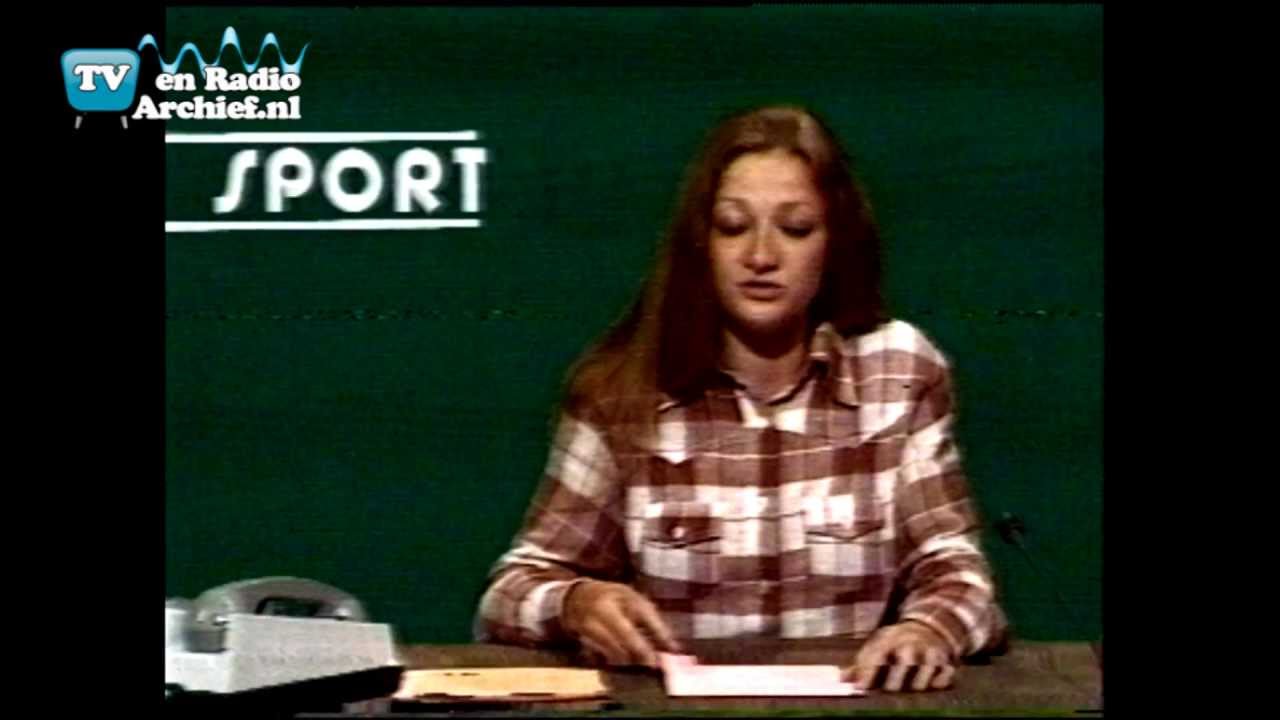
And one of the first newscasts Tanghe anchored back in 1978:
The first three hours of the Fox “News” Channel.

At the time, the content was nowhere like Fox is currently, with 30-minute rolling newscasts from 6-9am ET, followed by a news wheel-like dayside schedule, which, according to these New York Times stories (paywall):
From 6 A.M. to 9 A.M. there will be straight news reports. From 9 A.M. until 5 P.M. the channel will follow a ‘‘newswheel’’ pattern of 10-minute newscasts followed by 20-minute segments of analysis or feature reports.
The network offers live newscasts for 10 minutes every hour, and updates every half-hour. During the day, these are sandwiched around a 20-minute segment each hour called ‘‘Fox in Depth,’’ with analysis and interviews related to news of the day, and a 20-minute segment each hour on various general topics.
The dayside schedule ended at 5pm with Neil Cavuto, and evenings was now where the conservative commentary started, but it had somehow more variety and the content was nowhere as extreme or misleading as currently:
The new network’s showcase programs are broadcast on weeknights, beginning with the ‘‘Cavuto Business Report,’’ with Neil Cavuto, formerly the primary anchor of CNBC’s financial coverage, at 5 P.M. That is followed by hourlong programs featuring Bill O’Reilly (discussing issues), Mike Schneider (anchoring the main nightly newscast) and Catherine Crier (conducting interviews). […] Finally, 9 P.M. brings ‘‘Hannity and Colmes,’’ a debate program with two decidedly opinionated radio talk-show hosts – Sean Hannity, a conservative, and Alan Colmes, a liberal.
It even had a series of talkback shows on weekends, an heritage of Roger Ailes’ experience running America’s Talking and CNBC:
On Saturdays, three live shows allow viewers to call in with questions – two hours of ‘‘Pet News,’’ two hours of ‘‘Fox on Medicine,’’ and three hours of ‘‘Money News,’’ with investment experts giving advice.
And here are the first two-plus hours of MSNBC on July 15 that same year:

Unlike Fox, whose brand of conservative and brash news and opinion allowed them to grow faster, the fledging Microsoft/NBC network struggled to find an audience. The first MSNBC line-up had an emphasis on rolling news and interactivity: dayside had an unique format, where news stories were presented in an in-depth style, highlighting NBC’s global resources and even having live connections to NBC network programming and its affiliates for breaking news and correspondent debriefs; this allowed them to cover first the hijacking and crash of TWA Flight 800. In the middle of this, frequent news briefs were shown, as well as a commentary segment featuring “Contributors” (both progressive and conservative), including future household names on the likes of Ann Coulter, Lawrence O’Donnell and Laura Ingraham.
Primetime were mostly interactive in style, with Brian Williams anchoring “The News” at 7pm; it was joined by the Ziff Davis-produced The Site, co-anchored by Soledad O’Brien and Leo Laporte (as a virtual character), which covered tech and Internet news, and the interview show Internight, which featured a rotation of NBC’s main presenters and contributors serving as moderators. Evenings ended with the archival program Time & Again, which repurposed NBC archive segments into an hour-long slot, introduced by Jane Pauley.
The channel really embraced its tech-savvy origins: the studio set, designed by Jim Fenhagen of Production Design Group (temporarily built at CNBC’s Fort Lee HQ), had a trendy cyber café feeling to it, even more so at their definitive studio in Secaucus, New Jersey, which went on air in March 1997. Programming regularly showed e-mail addresses and phone numbers for direct connection, and the graphics and music (from Novocom and Shelly Palmer) had Internet-related elements and even the slogan “It’s Time to Get Connected”.
However, by the time they moved to Secaucus, cracks began to appear: low ratings compared to Fox (and even more so to CNN) led to the interactive elements to be abandoned and an increased focus on politics and hard news being endorsed, beginning with the hiring of shock jock Don Imus in November, and following with the hirings of Keith Olbermann, John Hockenberry, Mitch Albom and Mike Barnicle to mixed results and frequent clashes with management, along with the move of Chris Matthews to the network.
During the 9/11 attacks, MSNBC served as NBC News’ hub for its coverage, with the network airing up to the minute coverage; after the events and the start of the Iraq War, Erik Sorenson attempted to mimic Fox with a prime-time opinion line-up featuring both liberal and conservative pundits like Alan Keyes, Phil Donahue, Pat Buchanan, Bill Press, Joe Scarborough, Jesse Ventura and Tucker Carlson, as well as flashy graphics and the moniker “America’s NewsChannel”. Dayside was reorganized into MSNBC Live, focusing on rolling news between 9am and 6pm.
Although Keith Olbermann’s second tenure in the network would become extremely successful due to his irreverent style and its progressive agenda, the channel still struggled outside the 8pm slot. Phil Griffin eventually would focus the network on an opinionated lineup with a strongly progressive agenda, beginning with prime time and later extending to the dayside schedule.
This led to a strong ratings momentum from 2010, with MSNBC beating CNN for the first time in history; however, the start of the Zucker era at CNN led to MSNBC posting heavy declines, even more so in its core viewer targets of African and Hispanic Americans; this led to the the full schedule relaunch in 2015, leaving opinion to prime time. The rest is other story.
Idents used by Central Independent Television (the Midlands’ ITV franchisee) in 1998. The idents launched on April 27 that year, and were the first visible sign of the eventual plans by parent company Carlton to drop the regional brands and start using the Carlton brand for all of its divisions, including its three ITV franchises (the others were London and Westcountry).
Unlike Westcountry, which retained its own idents in the interim (but with added Carlton URL during the early months of 1999), Central began using rebadged versions of the Lambie-Nairn 1996 Carlton idents, and dropping the long-tenured “Cake” logo (rather a colored moon-like sphere) in favor of a Gill Sans wordmark with the words “Central”. The idents were dropped when Carlton launched its corporate “star hearts” brand identity on September 1999.
Carlton was one of the first ITV companies to embrace multi-channel cable TV, at a time the industry was deregulated after being transferred to ITC oversight. To that need, it bought from British publishing behemoth Pearson, the cable channel of independent producer SelecTV in early 1996.
To contextualize, Pearson entered unexpectedly the world of TV production after buying Thames Television’s remaining assets in a dramatic bidding war back in 1994; it soon began a dramatic shopping spree, buying Reg Grundy’s assets in 1995, and later eventually SelecTV, buying it in 1996 for a £5.2m price tag. However, Pearson wasn’t interested in the cable channel, and soon offloaded the service to Carlton; with the money obtained for it, Pearson bought All American Television by the end of 1997, gaining valuable rights to Mark Goodson’s game show formats and Baywatch. Given the increased consolidation of media ownership, Pearson sold its TV ventures to Bertelsmann, which reorganized its media division CLT-UFA into two companies: RTL Group (which administered the TV and radio channels) and Fremantle (which focused on content production).
Back to topic, Carlton took the decision to rebrand the channel under its company brand, but in the process retaining a link with its former incarnation; the result was Carlton Select. The channel would continue focusing on airing archival programming; however, the Carlton acquisition allowed it to air a much stronger lineup of shows, including the library of the Rank Organisation; it began also to air new shows (including archival Carlton and Central content), as well as an increased emphasis in factual and sport programming (including Champions League highlights).
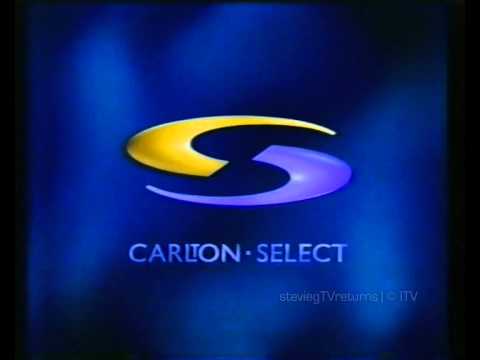
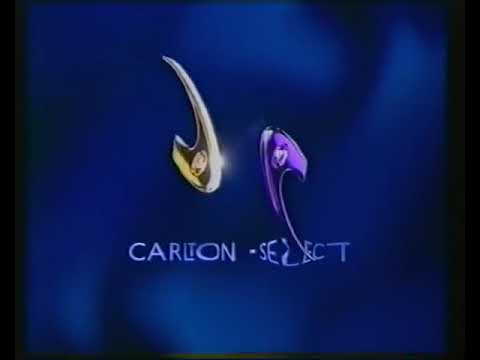
A new look which reflected “the contemporary feel of the channel and complement our programming range" was designed by English & Pockett. According to Darell Pockett, the brief had an only clear stipulation: “Their only stipulation was that the identity embodied the letters C and S, and portrayed the relationship between the two companies resulting in the launch of Carlton’s newly acquired cable channel.” Worst, was that the identity had to be completed in just eight weeks. The idea was resolved by sticking two C-like devices as an S, “fitted together in unison, in a yin yang sort of a way”.
In an interview with Design Week, Rob Machin (E&P’s design director) and Pockett explained the responsibility of creating “four new idents – one of 14 seconds and three of eight seconds – and the logo animates, creating a ripple as it passes through the words Carlton Select”.
The titles were shot on 35mm film and the sequences featured models made of a range of materials such as glass, antique wood, chrome, sequins, liquid, flames and a mosaic pattern to show the different models changing to reflect the diversity of programmes shown on the channel. “As the identity will be shown during commercial breaks and before and after every programme, it was vital to create a design device that didn’t bore the viewer and reflected the schedule content. When the logo is in flames, for example, it could be matched with an episode of the World at War to continue the theme. People get very bored with a one-off animation. But it also had to be under- rather than over-stated,” explains Machin.
The titles were shot at Cell Animation and involved constructing a simple rotating axis for the glass and chrome models, built by Pirate Models. The most painstaking part of the shoot for the team was creating light and dark environments, so that the model could be lit from behind these “tents”. This ensured that inappropriate shadows and reflections – of lights, cameras and crew, for example – were removed and ones appropriate to the actual on-air identity were applied on the shoot and added in post-production, which was also completed at Cell Animation.
As for continuity, the identity respected the overall Carlton brand identity, but with special needs to reflect the channel’s brand: the S device opened up to show program information and other kinds of details during promos. The channel went on air on May 1, 1996.
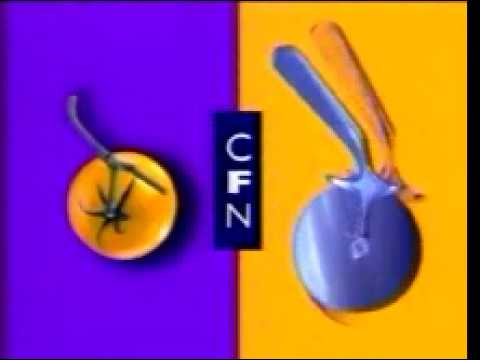
Soon, Carlton expanded with a second cable channel, Carlton Food Network, which aired during the afternoons on Carlton Select’s channel, and which also aired a mix of archival and original shows all related to food. The branding was also done by English & Pockett.
With the launch of ONdigital, Carlton launched other three channels: Carlton Cinema (dedicated to classic films), Carlton World (focused on factual and reality programming) and Carlton Kids (children’s shows). World and Kids closed after Discovery signing a wholesale deal with ONdigital (launching Discovery Kids and Wings to replace them), as well as the low uptake of the service; eventually, Carlton Select closed in March 2000 due to strong competition from other archival and semi-general channels, with its cable hours taken over by Carlton Cinema.
After a botched partnership with Sainsbury’s (leading to a renaming to Taste CFN), CFN closed in December 2001, with the cable channel being taken over by Carlton Cinema in full, however, the latter channel closed in March 2003 after losing its major carriage contracts.
Here’s the internal memo for the 27/4 change:
https://twitter.com/TVLivePlus/status/1580479215920521217
Really don’t think the “distinctive ‘L’ shape layout” is really that unique - this era’s Carlton/Central pres was really a hit-or-miss.
And here’s a catalogue of their offering and how you can watch them, during the OnDigital era:
https://plus.tvlive.site/carlton-digital-channels/
Although all the modern commentary about these idents is all about “ew, Carlton” and all that… I’d probably be more miffed that they took away the iconic cake, even if I didn’t know that it was just a copy of what was playing on London weekdays 
At least Carlton were well aware that even if they planned to dump the Central name, it wasn’t going to go away easily, with one or two of the idents that would’ve had local London names (eg. the football one mentioning local team nicknames half way through) being changed to refer to Midlands ones. Could have been so easy to avoid those and go straight onto the Carlton name, like they eventually did with the much, much less iconic name (I guess not iconic at all, it hadn’t even existed more than half a decade) of Westcountry, but sometimes that’s hard to do with a larger franchise that had, I guess, a multi-decade history if you count the time it was still ATV.
Of course, it was also a lot easier to do so once the “hearts” branding on the “Granada/UNM” side of ITV, and the emergence of ITV2 on ONdigital (not to mention GSkyB, plus Carlton’s own cable brands like Carlton Select mentioned above), made it obvious that the game was almost up. In a way it’s surprising they’re still using local region names in the 6pm news titles two decades on from the merger, although some iconic bulletin names were always going to be hard to budge, such as Calendar in Yorkshire or Lookaround on Border.
I wouldn’t say it’s unique, but distinctive (apart from, well, Carlton would say that) might still be a fair term, even in a very boring way, given how over-the-place Central seemed to be with trying to fetishise and use the “cake*” in 1572 different ways (give or take a few) by the mid-90s…
* of course the style guide still referred to it as the “globe” which is probably fair if there was still paraphenalia dating back to the 80s, but I doubt anyone recognised it as a cousin of the 80s globe by then
Last night was the night the UK’s now defunct VH2 was closed
A compilation of continuity and promotional elements used between 1987/1988 and 1997/1998 by South African subscription broadcaster M-Net:


M-Net (short for Electronic Media Network) was born for a political and business need rather than any justification to license another TV channel: it was partly the brainchild of a Naspers executive, Koos Bekker, and partly the pressure of the apartheid government, which wanted the preeminent newspaper chain (a staunch supporter of the NP regime) to operate a TV channel to offset the losses incurred in revenue from advertising and distribution after the SABC launched its television service. Bekker offered the idea to Times Media (currently Avusa), Argus (currently The Independent) and Perskor (now-defunct), its rival chains, and the idea was to make the service be jointly owned by the four newspaper chains and the then-independent Kwa-Zulu Natal newspaper The Witness (an increasingly anti-apartheid paper which defied the censorship rules of the time). However, the other chains weren’t fully interested in the plan, leading to Naspers launching it as a single act.
The channel launched in October 1986, as a subscription TV channel operating using the over-the-air TV spectrum. Most of the 12 hours of broadcast at the time were encrypted, and alternated (as with TV1 at the time) between English and Afrikaans programming. Additionally, the Broadcasting Authority allocated them a FTA one-hour slot every day to promote itself; this became known as Open Time, and was supposed to be temporary (dropping it after reaching 150k subscribers), but it lasted into 2007. The slot not only aired M-Net promotional material, but also popular American TV shows and previews of exclusive premium content.
M-Net became the responsible for a number of firsts in the local TV industry: it began slowly and cautiously, but steadily including Cape Coloureds and Nguni (Xhosa/Zulu) presenters as part of their on-air team, including Gerry Rantseli-Elsdon, and was the first to strand its programming into fixed blocks like Movie Magic (new movies), M-Net SuperSport (sport), Soundcheck (music), Explore! (documentaries), and K-TV (kids programming). It also broke new ground in current affairs programming with Carte Blanche, which would become Sub-Saharan Africa’s preeminent investigative newsmagazine and a symbol of the (at the time) slow democratic opening in the country.
Additionally, M-Net targeted the small South Asian and Portuguese communities in the country, launching separately-sold offerings under the EastNet and TV Portuguesa, offering programmes from India, Pakistan, Portugal and Brazil. These were originally aired on the main M-Net channel and were soon moved to a second spare channel, the Community Service Network, until 1995; these services were dropped with the advent of satellite channels targeting both communities.
With the end of apartheid and the start of democratic transition in the country, President De Klerk allowed M-Net to invest in a news department and local programmings; due to budget considerations, the news plans were dropped (although a deal was reached with BBC World to rebroadcast some programming), but the investment on local programming was to be reflected on South Africa’s first soap, Egoli, which was the first local drama series to have a multi-racial cast (including guest actors from the US and UK) and to be alternately spoken in English and Afrikaans (an English-only International version was also produced).
It also invested massively in sporting rights, including soccer, cricket, cycling and motorsport rights, as well as its core rugby rights (M-Net, alongside Foxtel and Sky, played a massive role on the professionalization of rugby league and rugby union). To allow the network air many of these rights, it moved SuperSport into its own 24-hour channel in 1995, paving the way to the launch of its digital satellite service DStv, launched in partnership with Canal+, which allowed both services to go digital. It also reorganised its media brands into a new division, MultiChoice, which was spun off by Naspers in 2018.
With that division, the company greatly expanded by buying the Filmnet channels in Scandinavia and the Benelux, through a partnership with Swiss luxury brand holding Richemont, which expanded it to Greece and Poland; it also bought an equity stake in Italian subscription broadcaster Telepiù, at a degree it briefly expanded the DStv brand for a new digital satellite offering for Italy. By 1997, the expansion into Europe was deemed a financial failure, and sold most of these ventures to Canal+, whilst retaining its more profitable Greek business, which greatly expanded after launching its DTH platform Nova in 1999 (the operator and the channels were later sold to business telco company Forthnet and the merged company is currently operated by Balkans cable operator United Group).
During these years, M-Net and SuperSport massively expanded its channel offerings: two movies and one series channel were launched between 1995 and 1998, and Afrikaans content was separated into its own service, kykNET. From 2000, more original channels targeting multi-racial audiences and specific countries (Nigeria, Kenya, Tanzania…) were launched, and the movies and series channels were multiplexed. Over time, M-Net became DStv’s premium channel, with its programming offering being now exclusively English-spoken and focusing on big-ticket entertainment and reality formats, and multi-racial dramas, as well as being the home of HBO content, and big-ticket American scripted and unscripted programming, plus first-run movies.
On SuperSport’s side, it began increasingly turning its offering more complete, by taking on a multi-channel offering, featuring specific programming targeting South African, Nigerian and Lusophone audiences, plus pan-African feeds. It has greatly expanded the number of rights by also targeting more niche sports and even high school athletics coverage. However, some antisiphoning rights valid in South Africa, Nigeria, Kenya and some other nations, force SuperSport to sublicense rights to PSBs like the SABC. In 2020, its channel offering was organized by specific-sport-focused TV channels, including exclusive channels for South African soccer, Premier League, LaLiga, Rugby and WWE.