Acording to the forward schedules, Four Corners is back for at least the next 3 weeks in the time slot.
Toxic Tide
Monday 16 March at 8:30pm
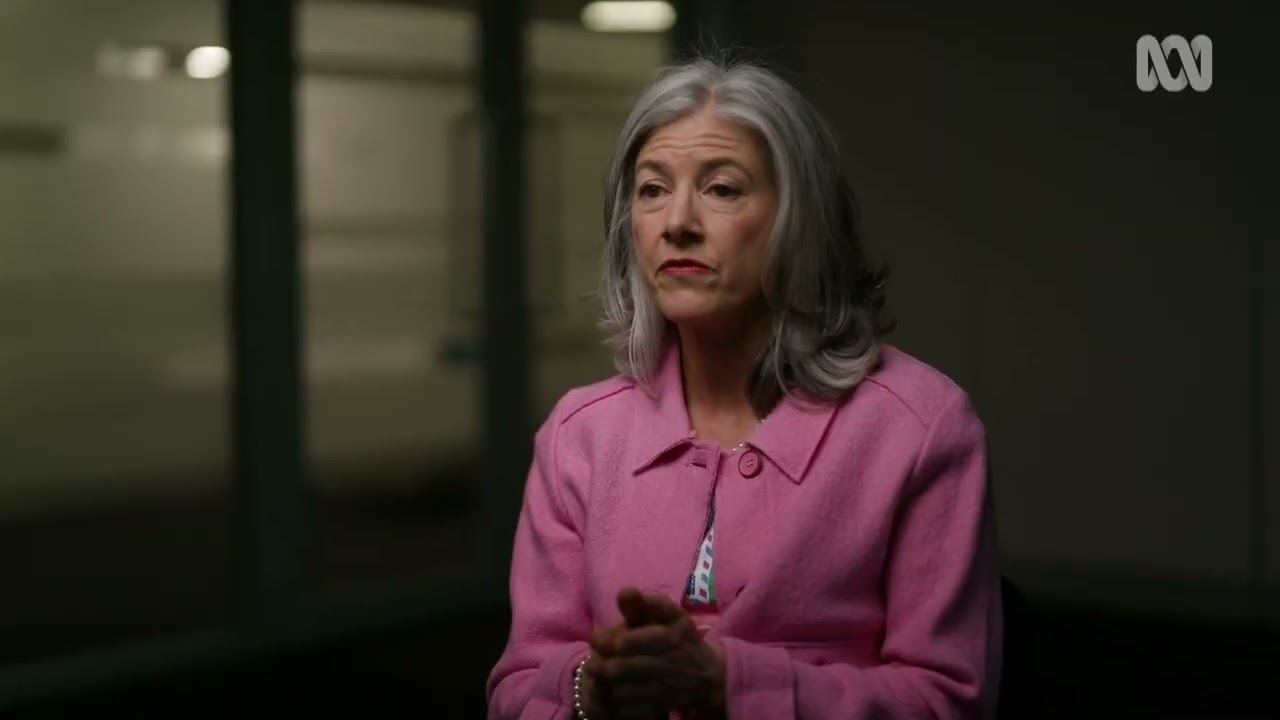
It’s one of the worst environmental disasters to strike Australia’s waters. Expected to be over in weeks, a year on, the South Australian algal bloom continues to devastate parts of the coastline.
As South Australians go to the polls this weekend, Four Corners investigates what the government knew about the health risks and what they told the public.
Despite the toxic bloom decimating marine life, shutting down parts of the fishing industry and according to some people, leaving them sick, the government repeatedly downplayed the health effects.
Angus Grigg and the Four Corners team piece together what the government was told and its public messaging.
Toxic Tide raises urgent questions about transparency, trust, and accountability in times of crisis. It serves as a warning for the rest of Australia about how governments respond and communicate as climate-driven environmental disasters become more frequent and more severe.
Toxic Tide is reported by Angus Grigg and produced by Alex McDonald and will go to air Monday 16 March at 8.30pm on ABC TV and ABC iview.
Interesting timing with the algal bloom episode.
Apparently it was mentioned on ABC Radio yesterday morning that it was originally planned to air earlier in the year but got pushed back due to the two part special on the Bondi Attack.
For someone who is usually a polished media performer, Peter Malinauskas was incredibly defensive in this.
1 Like
Trump and the Tech Titans
Monday 23 March at 8:30pm
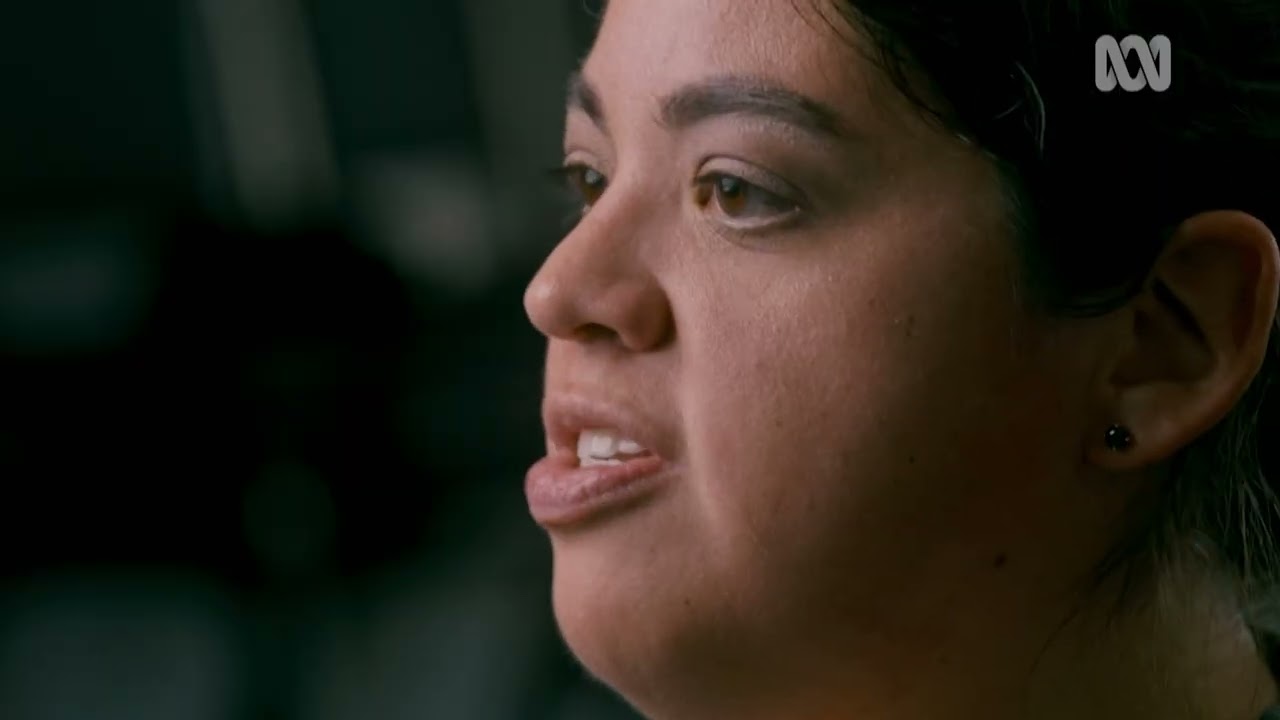
They once dubbed themselves the ‘PayPal Mafia’, now these wealthy tech titans are changing politics like never before.
Peter Thiel, Elon Musk and David Sacks were instrumental in Trump’s rise to power and now hold sway far beyond Silicon Valley.
In Trump and the Tech Titans, insiders reveal just how these three accumulated such unprecedented influence.
The Trump Government’s embraced AI, legitimised cryptocurrency, and is using surveillance software in its immigration crackdown.
As the power and money of big tech grows, this BBC Panorama documentary asks: Who’s really in control?
Trump and the Tech Titans is produced by the BBC’s Panorama program and will go to air Monday 23 March at 8.30pm on ABC TV and ABC iview. See more at abc.net.au/news and on ABC News social media platforms.
Campus Chaos
Monday 30 March at 8:30pm
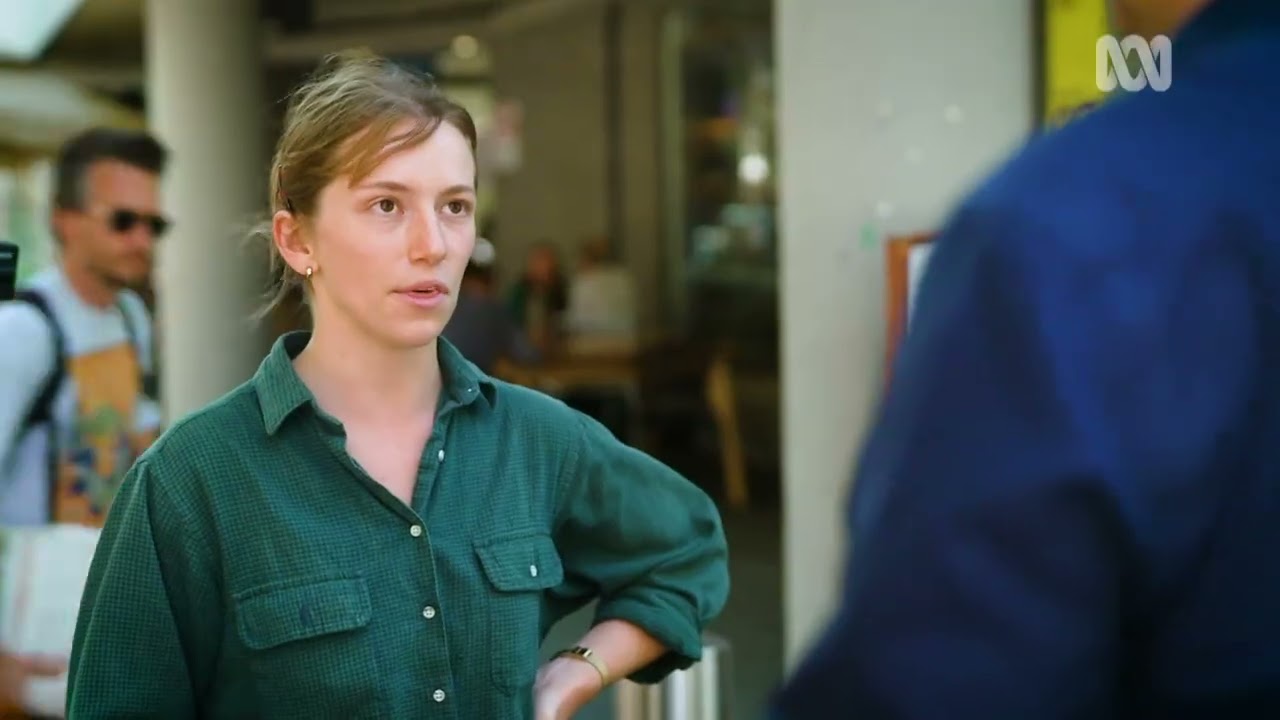
Australian universities are in turmoil.
Deep cuts to jobs and courses are triggering fury on campuses across the country.
This week on Four Corners, reporter Steve Cannane investigates how years of shrinking public funding, rising debt and increasingly corporate decision making have pushed some of the nation’s most important public institutions to breaking point.
Campus Chaos reveals the scale of spending on outside consultants and asks what that means for transparency, accountability and the future of higher education.
It investigates claims that financial pressures are being used to justify sweeping restructures, while staff and students are left to bear the consequences.
This story asks whether universities have drifted from their core public purpose, and who they are really serving?
Campus Chaos is reported by Steve Cannane and produced by Jonathan Miller and will go to air Monday March 30th at 8.30pm on ABC TV and ABC iview. See more at abc.net.au/news and on ABC News social media platforms.
From ACMA
Four Corners breaches accuracy, impartiality requirements
The Australian Communications and Media Authority (ACMA) has found the Four Corners episode ‘Water Grab’ from August 2024 breached the accuracy and impartiality provisions in the Australian Broadcasting Corporation (ABC) Code of Practice.
The ACMA found that the program about water usage in the Northern Territory inaccurately conveyed that a Northern Territory pastoral station had illegally used a fire to clear land for cotton production without approval to do so.
The ACMA investigation found the ABC did not have sufficient evidence to make this assertion and did not make reasonable efforts to verify it.
ACMA Chair Nerida O’Loughlin said current affairs programs must adequately check the veracity of facts they cover before going to air.
“The ABC should have stopped to consider whether it had sufficient supporting evidence to include the statement about the fire,” Ms O’Loughlin said.
“This type of assertion can have a significant adverse effect on the reputations of those involved, so reasonable efforts must be made to ensure any claims are accurate and presented in context.”
“Australians expect rigorous, fair and factual reporting on complex and contested public issues. Our view is that parts of the program did not meet the ABC’s own standards for accuracy and impartiality,” Ms O’Loughlin said.
Given the complexity of the scientific and technical subject matter, the ACMA undertook a thorough and comprehensive investigation considering all the material issues.
In its assessment the ACMA found that the episode’s omissions of credible, alternative scientific perspectives limited the audience’s ability to weigh competing evidence and therefore also breached the ABC’s obligations to present principal relevant viewpoints.
The ABC will publish an editor’s note and clarification about the ACMA’s breach finding. The ABC has also increased its accuracy and impartiality training for news journalists in response to the ACMA’s finding and will develop advanced training for managers of investigations.
Four Corners ‘Water Grab’ ACMA Finding
This story broadcast on August 19 2024 examined the role of the Northern Territory government in facilitating water licenses for the growing of cotton, particularly in the area near Mataranka Springs and Elsey Creek. The program was subject to a complaint to the Australian Media and Communications Authority (ACMA). The ACMA concluded that the program unduly favoured the perspectives of two environmental scientists and did not adequately inform the audience of the existence of alternative scientific perspectives about the causes of changes to Mataranka groundwater levels and the water quality at Elsey Creek. The ACMA also concluded that the description of a fire at Claravale station amounted to an allegation of illegal land clearing. The ACMA concluded that the factual assertion conveyed by the relevant statement was not accurate. The ABC accepts that the statement should have been qualified but does not accept that the statement has been shown to be inaccurate.
Strike on Iran: The Nuclear Question
Monday 6 April at 8:30pm
As the US bombards Iran, sparking region-wide conflicts and unleashing a global economic crisis, Four Corners interrogates one of President Donald Trump’s key reasons for war:
Did Iran pose a nuclear threat?
Just eight months ago, Israel killed nine senior scientists who were integral to Iran’s nuclear program, before the US bombed the country’s major nuclear facilities, believing it was close to producing a nuclear weapon.
After the attack, Trump declared Iran’s key nuclear enrichment facilities had been “completely and totally obliterated”.
In partnership with The Washington Post, Evident Media and Bellingcat, Emmy Award-winning journalist and veteran correspondent Sebastian Walker travelled to Iran to investigate the impact of the US strikes on the country’s nuclear facilities firsthand.
Along with producer Adam Desiderio, Walker explores how the June attacks affected Iran’s nuclear program, and investigates what, if any, threat it could pose to the rest of the world.
The documentary also features new reporting and interviews with officials about the latest round of US-Israeli military attacks on Iran and the impact it’s having on the country.
Strike on Iran: The Nuclear Question is reported by Sebastian Walker and produced by Adam Desiderio for PBS Frontline and will go to air Monday 6 April at 8.30pm on ABC TV and ABC iview. See more at abc.net.au/news and on ABC News social media platforms.
Inside the Rage Machine
Monday 13 April at 8:30pm
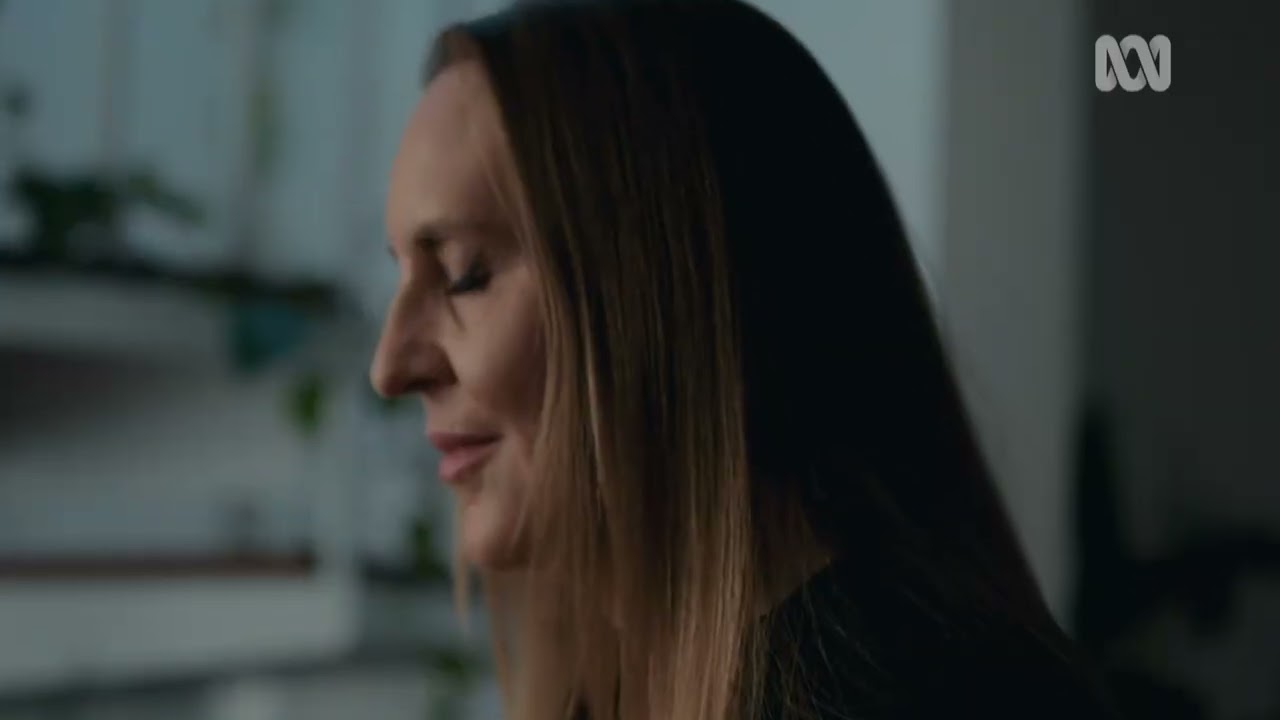
More than a dozen whistleblowers from the social media giants reveal how their companies deliberately built a business model powered by manufactured outrage.
This week Four Corners delves into the murky world of algorithms with the BBC’s social media investigations correspondent Marianna Spring.
The insiders reveal how the social media companies are driven by division, and how they have paved the way for radicalisation, real-world violence and fractured societies.
They paint a troubling picture of decisions made by the companies that promoted violence, sexual blackmail and terrorism to capture users’ attention while putting their safety at risk.
Leaked documents from current and former staff also show how the harm caused by the engagement arms race among social media companies was actively ignored.
The Rage Machine exposes how the social media giants decided to fan the flames of misinformation on their platforms, instead of extinguishing them when they had the chance.
This compelling documentary offers an inside look at the social algorithms that shape how we think, feel and see the world, and the consequences of a business model that profits from manipulating them.
Four Corners: Inside the Rage Machine is reported by Marianna Spring and directed and produced by Rob Farquhar for the BBC and will go to air Monday 13 April at 8:30pm on ABC TV and ABC iview . See more at abc.net.au/news and on ABC News social media platforms.
ATTENTION DEFICIT

Monday 20 April at 8:30PM
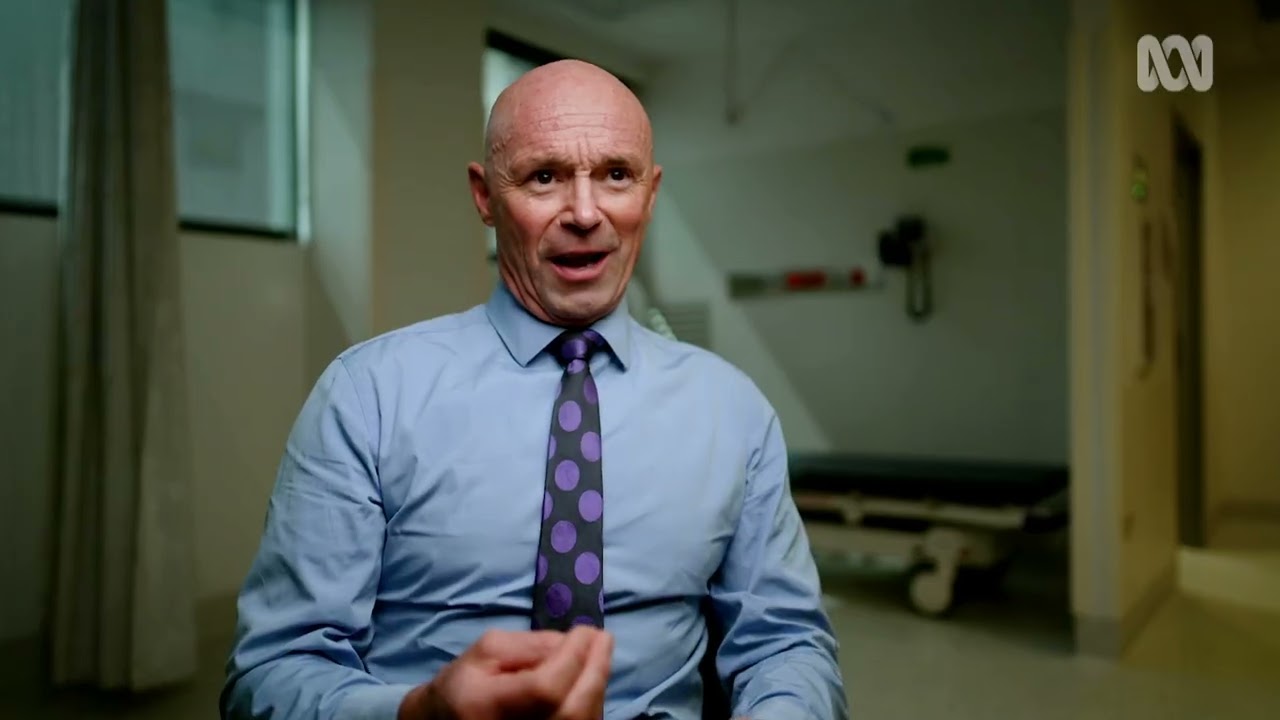
Four Corners unveils Australia’s first comprehensive national map of Adult Attention Deficit Hyperactivity Disorder (ADHD), revealing stark differences by location.
ADHD diagnoses in Australian adults have risen dramatically over the past eight years, especially in women.
Data for each state and territory reveal which suburbs are the hotspots. The findings are not what you’d expect.
Dr Norman Swan and the team drill down into the new figures and discover which is Australia’s ADHD capital. Treatment rates there far exceed what experts say is the actual prevalence of the condition.
At the same time, large parts of Australia are ADHD deserts, where up to 90% of adults who might have ADHD are being left undiagnosed and untreated with potential consequences for their future.
Attention Deficit asks how Australia ended up with such extremes, what harm is being done from both missed and misdiagnosis, why the system is failing and whether proposed remedies are likely to work?
THE ZERO LINE: INSIDE RUSSIA’S WAR
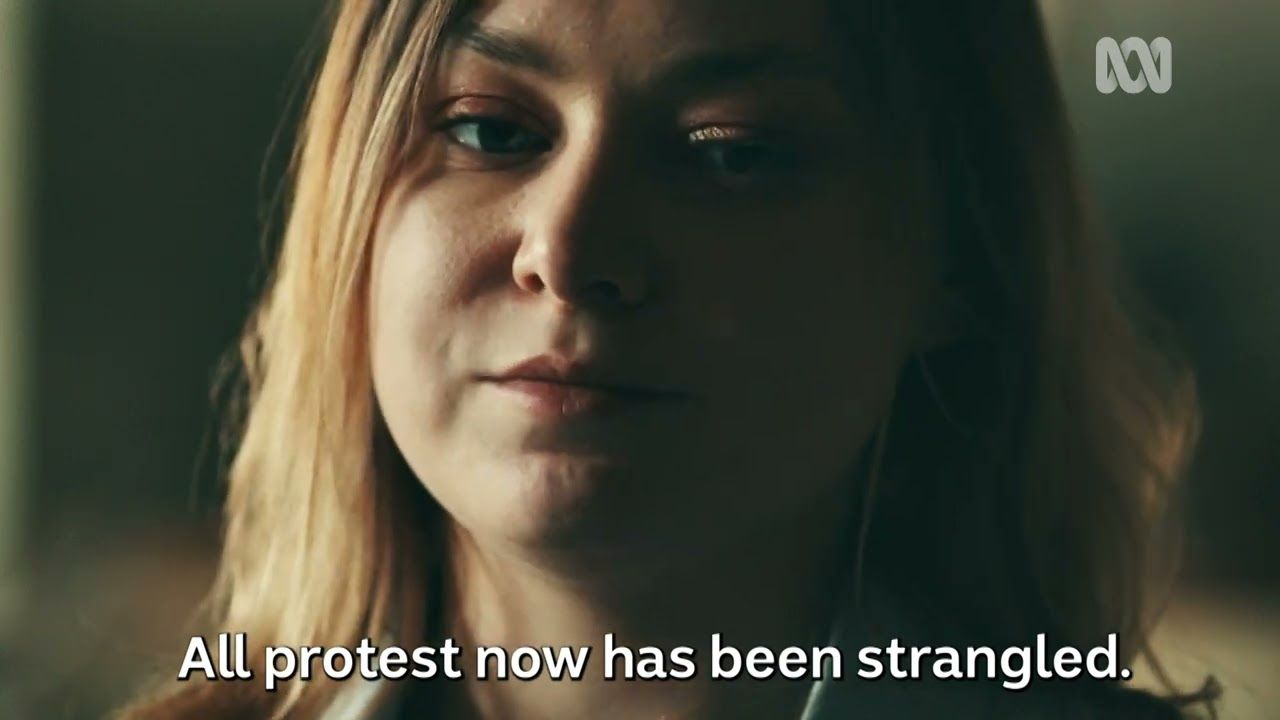
Monday 27 April at 8:30PM
After four years of war, in Russia there is close to zero public opposition to Putin’s invasion of Ukraine. But a few are prepared to speak out.
Across 2025, Russian soldiers from the frontline and civilians at home agreed to film with the BBC in secret. Their testimony exposes the true scale of horror unfolding on the Russian side with Russian soldiers being tortured and, on occasion, executed by commanders as well as civilians at home experiencing brutal suppression.
TASER TACTICS
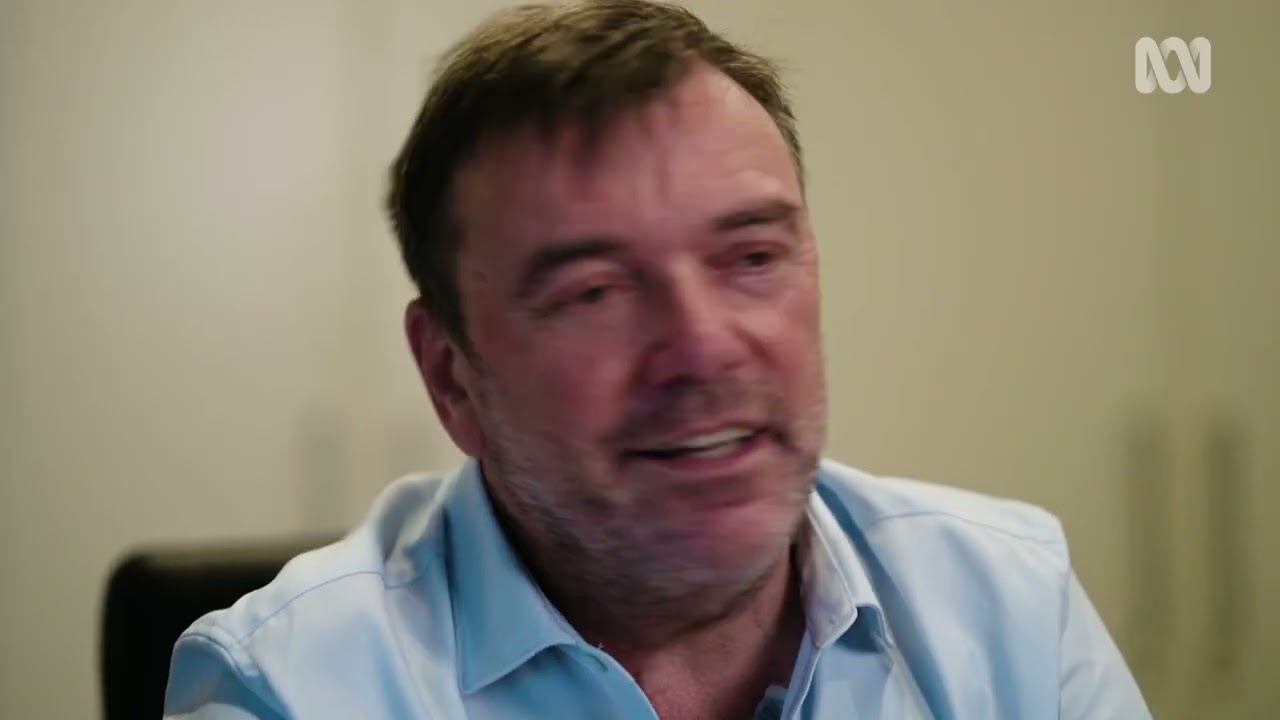
Monday 4 May at 8:30PM
Police across Australia have embraced tasers over the past two decades.
The weapons are meant to be a safer way to stop dangerous situations, without taking a life. But people are still dying.
This week Four Corners reveals the secretive tactics behind investigations into controversial deaths, and the role played by the device’s manufacturer, Axon.
Reported by Grace Tobin from the ABC’s investigative reporting team, Taser Tactics features an in-depth interview with the family of 95-year-old Clare Nowland, who died after being tasered in a nursing home in 2023, as well as shocking footage of a farmer being tasered within seconds of a police encounter on private property.
For the first time, the program examines how a multibillion-dollar US tech giant has made itself indispensable to police in every state and territory.
At its core, Taser Tactics asks a simple question: when something goes wrong after a taser is used, who decides what actually happened?