GAZA’S CHILDREN OF WAR
Tuesday 23 September at 8pm on ABC TV and ABC iview
For the one million children of Gaza growing up isn’t guaranteed. Since the war began nearly two years ago, more than 18,000 Palestinian children have been killed. With no reliable source of nutritious food and water, life is a day-to-day prospect. Even trying to find food can be a deadly proposition.
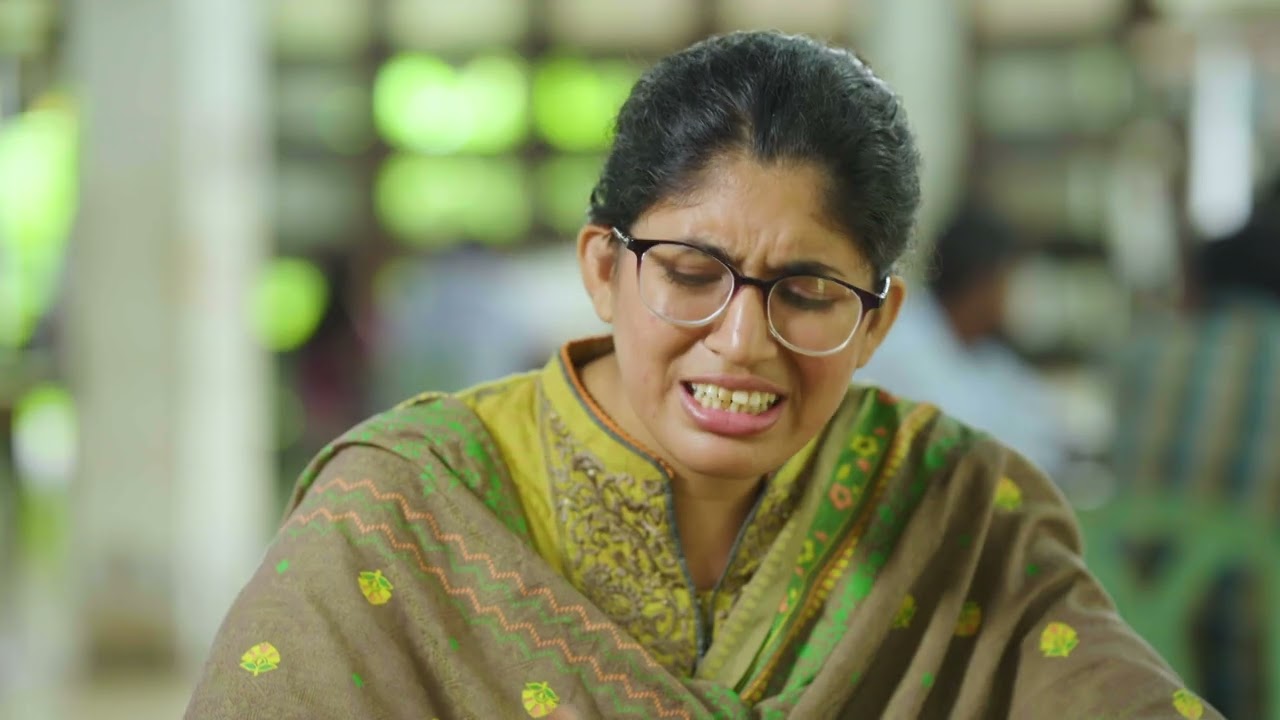
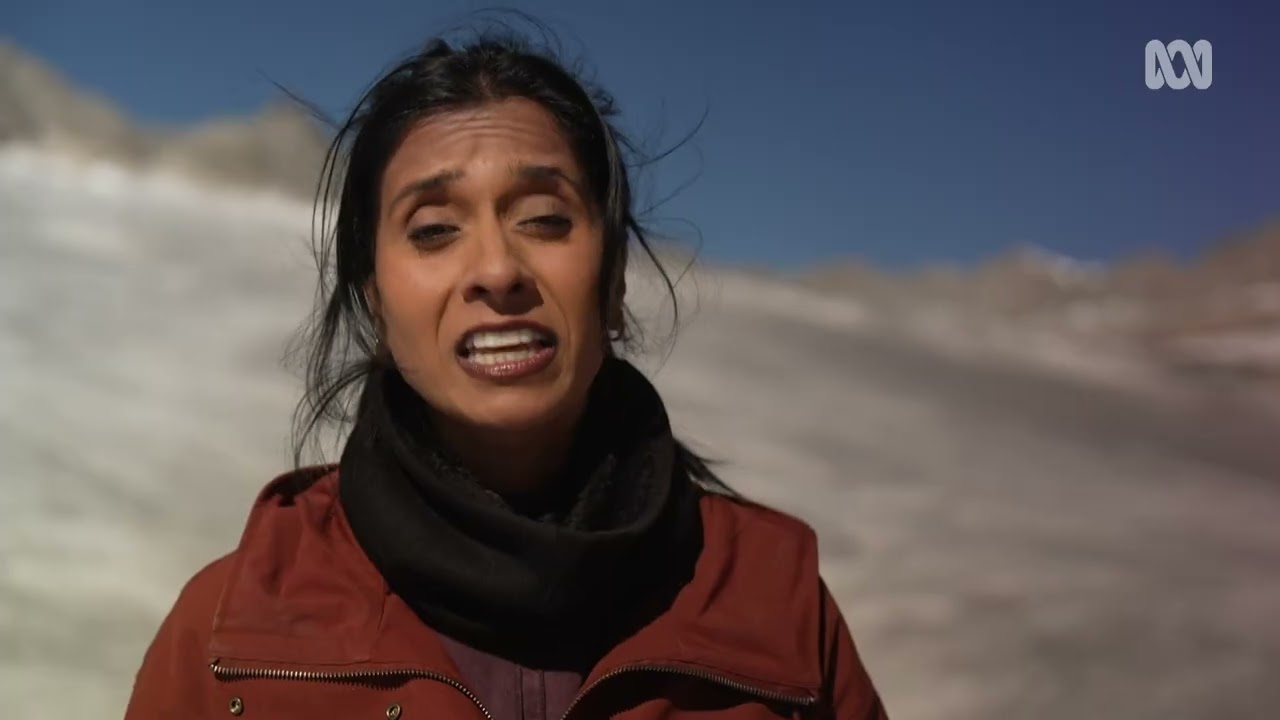
On Foreign Correspondent reporter Stephanie March and a team of Gazan journalists deliver an intimate, heart wrenching insight into the toll this war is taking on Gaza’s littlest. Because independent access to Gaza for reporters is banned by the Israeli Defence Forces, Stephanie has been working with local journalists to film with families willing to share their day to day lives. Over months they’ve documented life from different parts of Gaza.
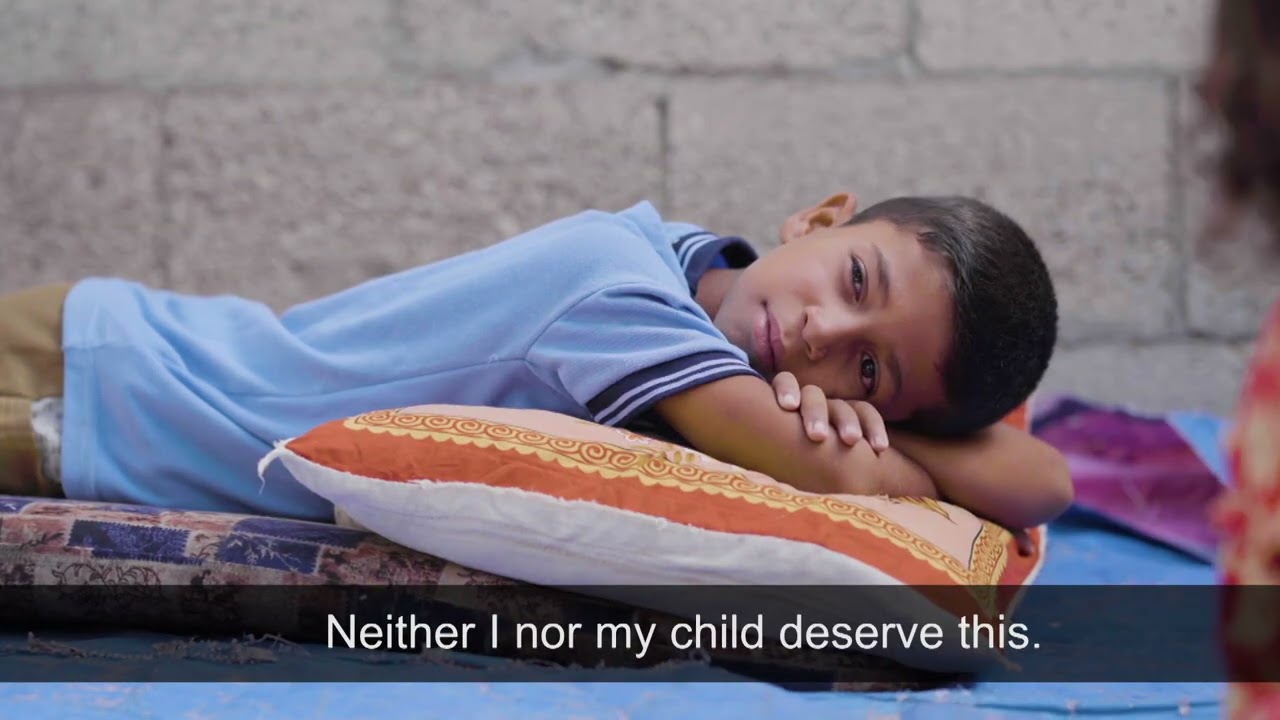
We meet a 10-year-old boy who shelters in a tent with his parents and two siblings in an existence that’s become boring, uncomfortable and very dangerous. The sound of bombs and drones are ever present. Another teenager has an infected knee that isn’t getting better. If it doesn’t heal, there are fears he could lose his leg to amputation. Simple injuries can spiral into dangerous medical conditions in Gaza because of malnutrition, filthy conditions and a lack of medical supplies. And we spend time with a 9-year-old girl who weighs half what she should amid famine in Gaza City. She’s one of thousands who are desperately hoping to get treatment in other countries at a time when few western countries are willing to take them.
All these children just want the war to end so they can live their lives. In the words of a 10-year-old: “There’s no childhood left in Gaza”.
SEASON FINAL
ISRAEL VS IRAN: Unfinished Business
Tuesday 30 September at 8pm on ABC TV and ABC iview
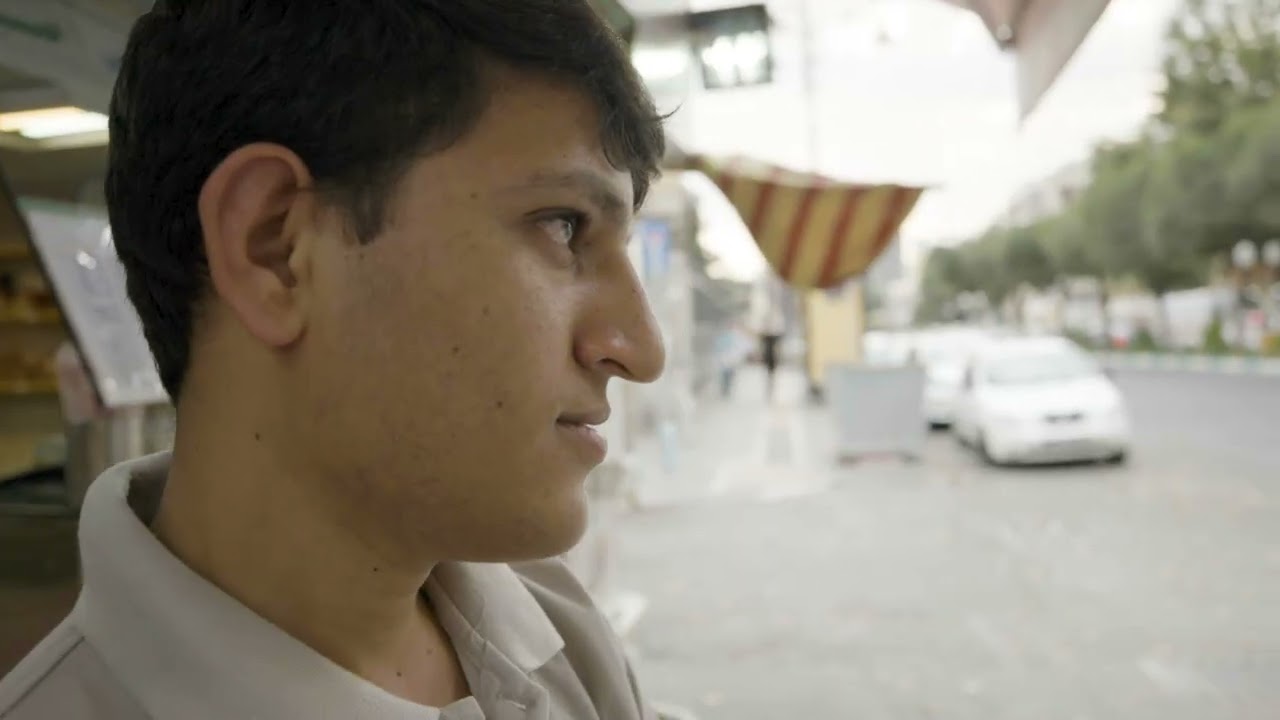
In Iran’s capital Tehran an uneasy calm has returned to the streets. For 12 days in June the world held its breath as Israel and Iran - two mortal enemies - traded blows. Israel’s main targets were Iran’s nuclear facilities, key Iranian military officials and nuclear scientists. The US joined in, dropping bunker bombs on Iran’s underground nuclear facilities.
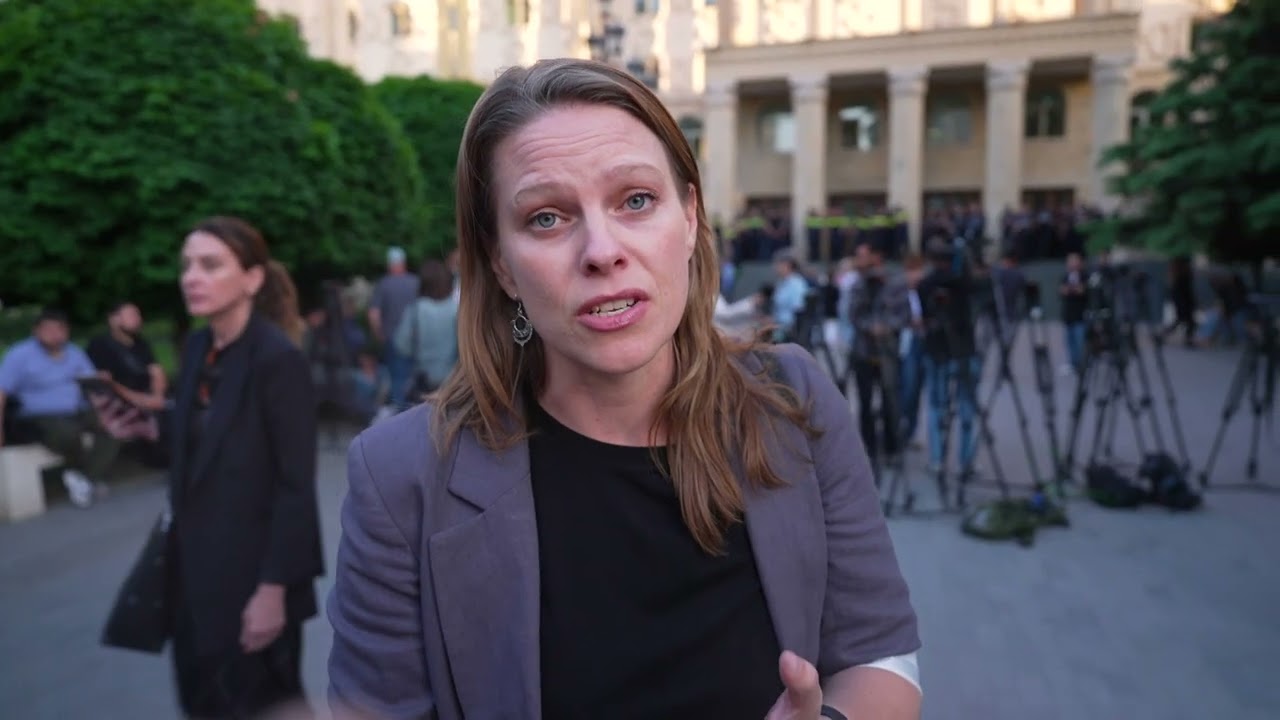
On Foreign Correspondent reporter Jonathan Miller has been granted rare access to the Islamic Republic to find out whether Israel, the region and the world is any safer. He visits the places bombed by the Israelis and meets family members and neighbours of those killed in the attacks. The accuracy of Israel’s targets inside Iran were evidence of what Iranian authorities called “unprecedented infiltration” by the Israelis. Now the regime is relentlessly hunting for spies with trials and executions being fast tracked. The Foreign Ministry spokesman tells Jonathan the executions are justifiable because “no nation allows betrayal.”
Jonathan also travels to Israel where a former senior Mossad chief explains how Israel’s intelligence operates on the ground in Iran. It’s not deep cover agents, he says, but “expendable” people who are willing to work for money.
What becomes clear as Jonathan travels between the two nations is that no-one believes this war is over.
Edit:
ABC Showcase announced Foreign Correspondent returning with a new season in 2026.
RETURNS FOR 2026
TUESDAY 24 FEBRUARY 8.00 PM
As world news continues to dominate our headlines, Foreign Correspondent returns in 2026 with an action-packed season of stories reflecting the times in which we live.
This season we head to the Baltic Sea on board a NATO ship as European countries join ranks against Russian acts of aggression; we travel to the Swiss Alps where melting glaciers are destroying villages; and we spend time in Greece where a desperate campaign is underway to reverse a declining population.
We’ll also be reporting on the lucrative wedding industry in India, and we visit the remote Irish village that’s become the new mecca for big wave surfers.
NATO Under Attack
Tuesday 24 February at 8pm on ABC TV and ABC iview

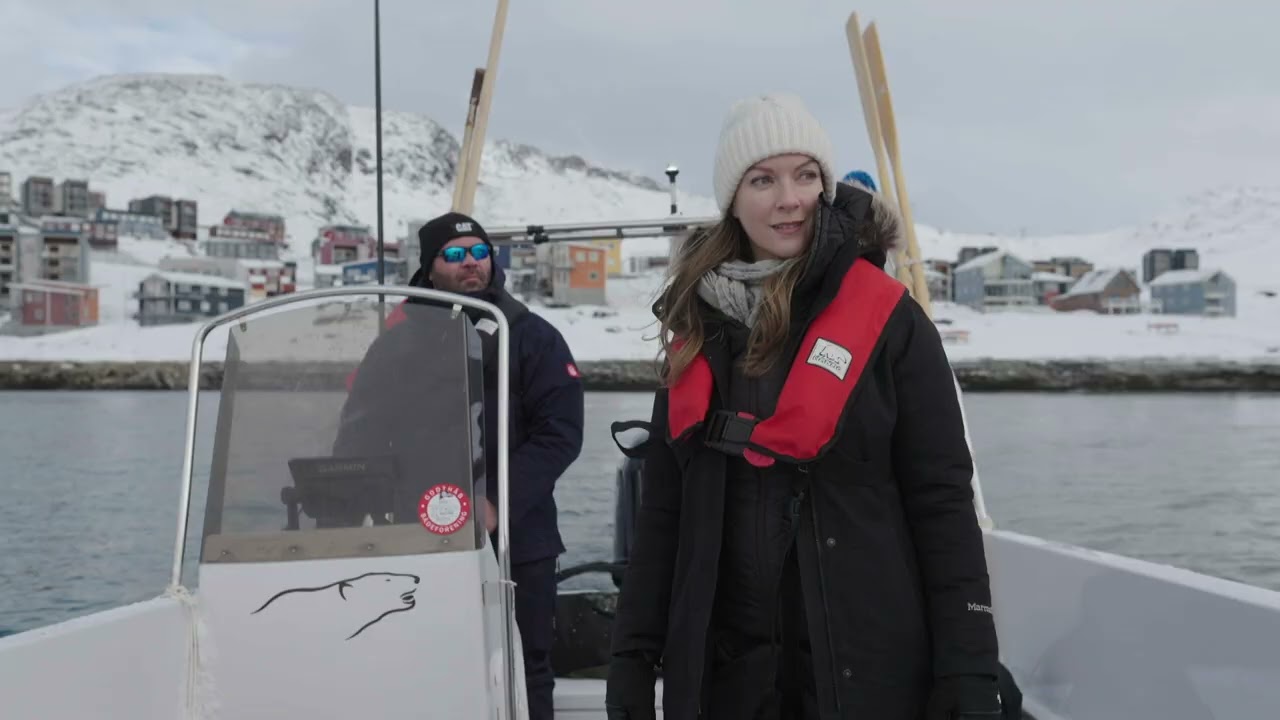
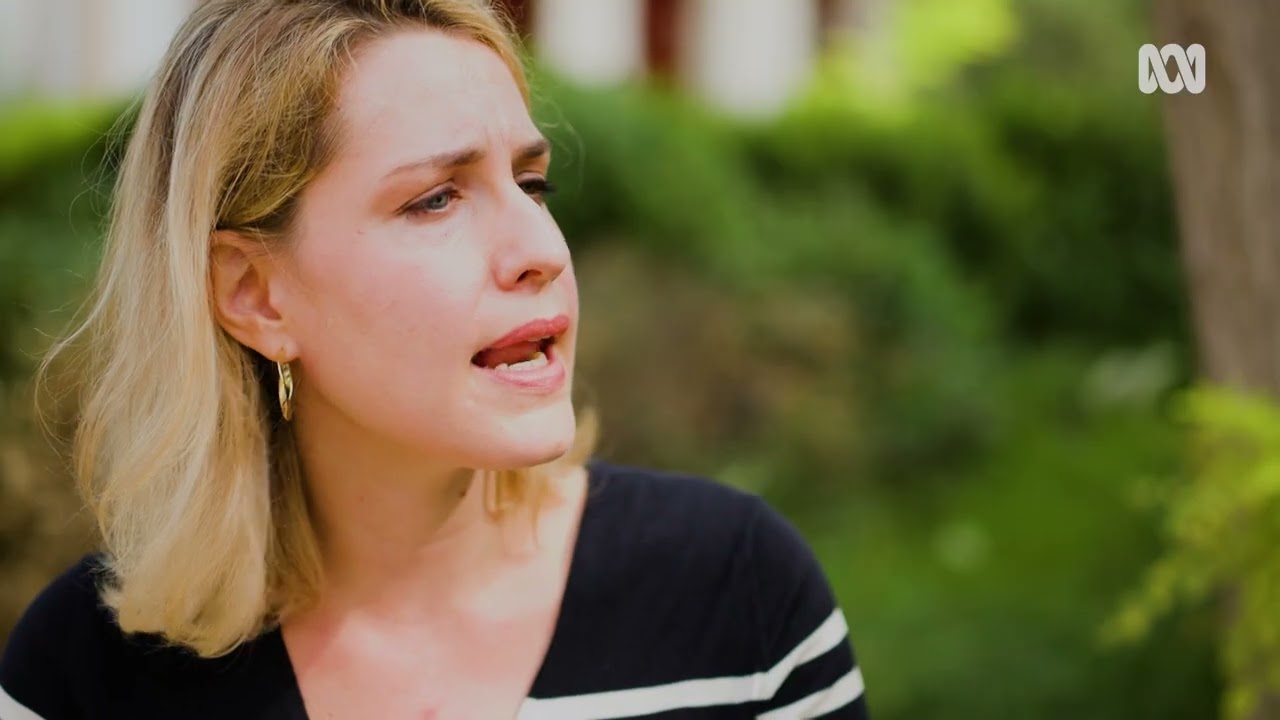
Foreign Correspondent returns for 2026 with a timely episode from Denmark as NATO countries face their biggest security crisis since World War II. For months the ABC’s Europe correspondent Bridget Rollason has been tracking events in Denmark as it navigates security concerns over a “hybrid war” with Russia while at the same time dealing with the shocking threats made by one of its key allies – the United States.
For much of 2025 NATO member states experienced a wave of “hybrid” attacks creating havoc and fear, which have been pinned on Russia. NATO nations warned this was no Cold War, and that citizens should brace for conflict with Russia. Then, Donald Trump shook the alliance to its core with his renewed and aggressive demand for the Danish territory of Greenland, tearing up the rule book that has kept the alliance together. In this report Bridget has embedded with NATO exercises in the Baltic Sea where Russian submarines are active, visited army training camps in Denmark at a time when all women must register for possible combat when they turn 18 and spoken to high level interviewees in the defence and intelligence world to capture this profoundly consequential moment in history.